Why Drones Fail
Legal justification and transparency of drone strikes have become a concern for the U.S. In reality, are these targeted killings advancing the strategic goals of U.S. counter-terrorism policy?

 Courtesy: Foreign Affairs
Legal justification and transparency of drone strikes have become a concern for the U.S. In reality, are these targeted killings advancing the strategic goals of U.S. counter-terrorism policy?
 Courtesy: MEAphotogallery/ Flickr
In 2012, Iraq emerged as India’s second largest crude oil supplier thereby shifting focus back on bilateral relations. However, India’s historical and cultural connection with Iraq, as well as common geopolitical concerns, reveal that relations have the potential to go beyond oil
 Courtesy: NASA's Marshall Space Flight Center/Flickr
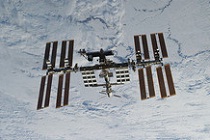
An increase in the global demand for rare earth elements, used in high-technology industries, coupled with limited supplies on Earth, has accelerated extra-terrestrial exploration. International cooperation and competition for these space-based resources will determine the next human footprint and race in space.
 Courtesy: Penn State Outreach/Flickr
The significant shale gas deposits held by several countries, including India, have implications for global energy prices, geopolitics and climate change. But India needs to develop a strong shale gas policy that can help in lowering its trade deficit while ensuring sustainable development.
 Courtesy: Center for American Progress/ Flickr
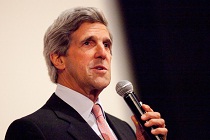
The upcoming India-U.S. Strategic Dialogue offers an appropriate platform to move past complaints both sides have against each other in the trade and economic spheres. The stage can be used to re-apply emphasis on strategic relations and reach levels of goodwill established during the time of former U.S. President George W. Bush and Manmohan Singh
 Courtesy: NRCgov/ Flickr
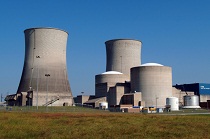
India-U.S. bilateral trade stands to benefit if U.S. Secretary of State John Kerry is able to seek clarification on the specificities of the Civil Liability for Nuclear Damage Act and alleviate the worries of American energy companies which fear paying monetary damages without limit in the event of a nuclear accident
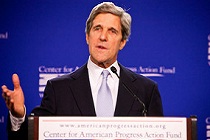 Courtesy: Center for American Progress Action Fund/Flickr
The U.S. Secretary of State’s visit to India comes at a time when India is witnessing significant realignments in its domestic politics while the U.S. is busy tackling its cyber-spying allegations. Amidst these preoccupations, will the upcoming India-U.S. talks churn out substantive outcomes?
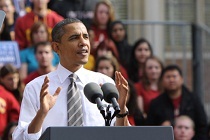 Courtesy: Shotgun Spratling/ Flickr
U. S. President Barack Obama has strongly indicated a move away from the ‘Global War on Terrorism,’ – a term famously coined by his predecessor George W. Bush after the 9/11 attacks on the United States. Given that a common definition of a ‘terrorist’ hasn’t yet been found, was the war on terrorism ever practical?

This daily column includes Gateway House’s Badi Soch – big thought – of the day’s foreign policy events. Today’s focus is on the negotiations for a free trade agreement between the E.U. and the U.S.
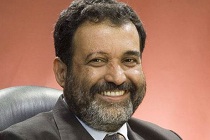
The recent crisis at Infosys suggests that corporate governance in India’s IT sector has been slipping. Gateway House talks to T.V. Mohandas Pai, former CFO of the company, about what the Indian IT industry and the government can do to raise global competitiveness and remain recognised as centers of innovation