Conférence des Nations Unies sur les changements climatiques - COP21 (Paris, Le Bourget) Courtesy: COP Paris / Flickr
16 December 2015

Cop-out at COP21

COP21 is a reality check for those who like to believe that geopolitical power is shifting from West to East. The just-concluded Paris Climate Summit was essentially about the early-to-develop Western powers continuing to exercise almost complete control over global governance structures, largely through the dominance of markets.
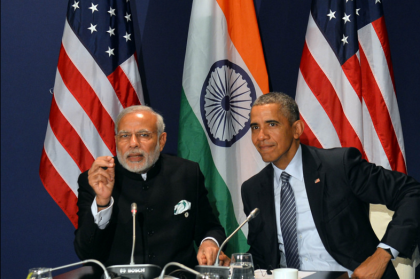
India US energy war Courtesy: MEA India / Flickr
9 December 2015

COP21: unspoken India-U.S. war

An unspoken war has been waged between India and the U.S. at the COP21 Summit in Paris. If the West wants India to opt for more expensive energy options, then they must also reciprocate by sharing technology.

Baka-charging-station_cropped Courtesy: Sass Peress / Wikipedia
3 December 2015

Cheap finance for climate change

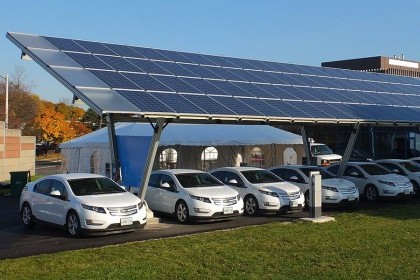
The Climate Conference in Paris offers the globe a chance to arrive at a firm action plan—and underpinning this chance are advances in solar and electric vehicles technology. If the Paris talks focus on making such technology and related finance available to countries like India, we can move closer to achieving climate goals

EndISISFlickrDawn Endico Courtesy: Dawn Endico
3 December 2015

Can ISIS be defeated?

Today ISIS is the gravest international security threat. To defeat ISIS, the world should pay heed to India’s experience of the need to isolate state sponsors of terrorism. Ultimately, only when Saudi Arabia acknowledges the danger to its own survival from past policies of alleged support to extremist groups, can it be a reliable partner in the fight against ISIS.

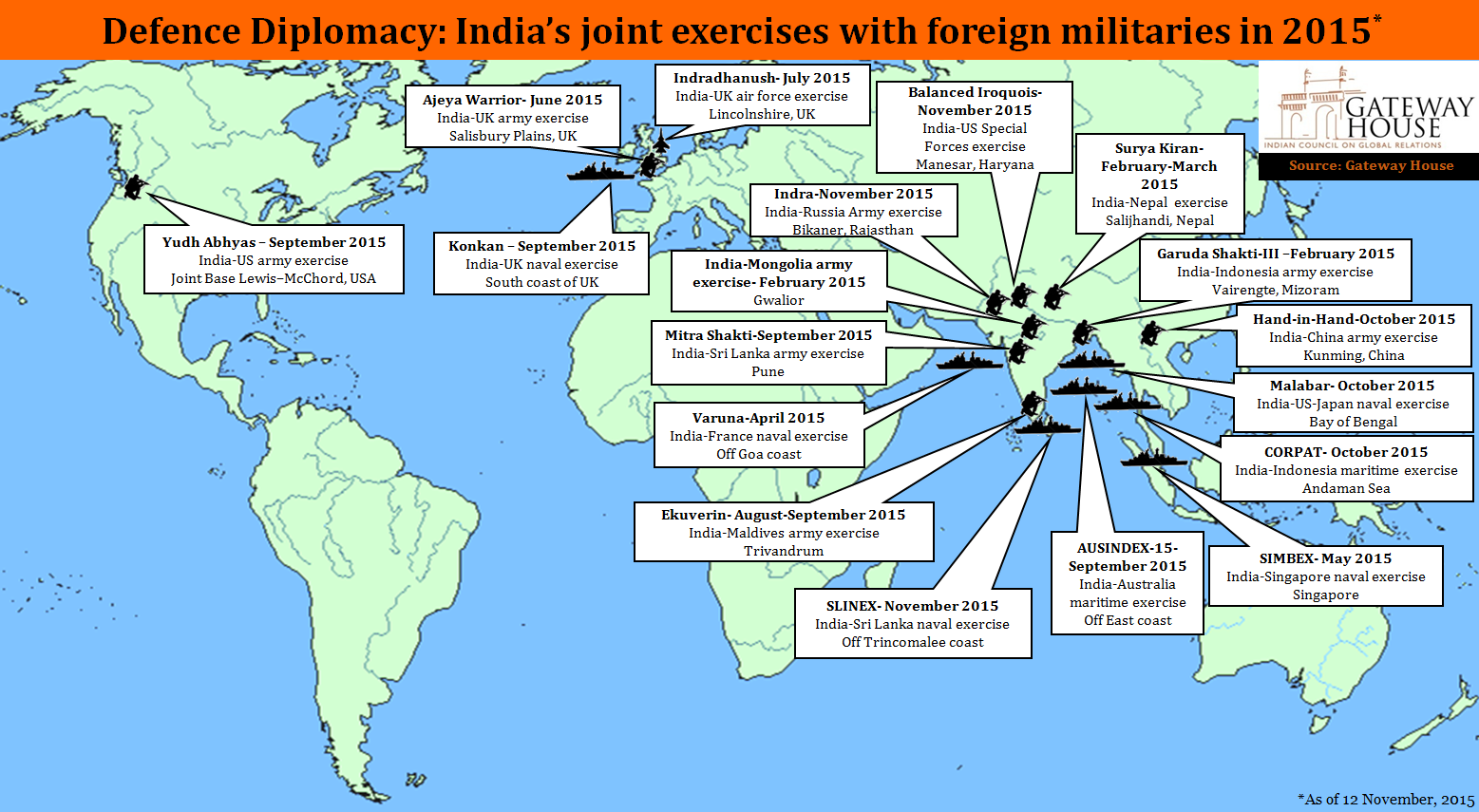
This year, India's defence diplomacy has ramped up. In 2015 alone there have been 18 military exercises- naval, army and air force- with 13 countries, among the largest engagements the country has had. Most significant is Japan joining the Malabar exercises in the Bay of Bengal and the first-ever maritime exercise with Australia. This is increasing India's presence from the Arabian Sea to the Bay of Bengal. As these exercises intensify India will be better positioned to handle regional security challenges. Courtesy:
12 November 2015

India’s defence diplomacy

This year, India's defence diplomacy has ramped up. In 2015 alone there have been 18 military exercises- naval, army and air force- with 13 countries, among the largest engagements the country has had. Most significant is Japan joining the Malabar exercises in the Bay of Bengal and the first-ever maritime exercise with Australia. This is increasing India's presence from the Arabian Sea to the Bay of Bengal. As these exercises intensify India will be better positioned to handle regional security challenges.

nuclear-reactors-499907_640 Courtesy: Pixabay
5 November 2015

Quiet burial for the nuclear deal?

Solar power developers have offered to sell electricity in India at less than Rs 5/unit. This makes solar competitive with traditional forms of energy, and makes new nuclear power plants financially unviable. India must register the changed reality, and discard the idea of expensive Western reactors. Time to scrap the India-U.S. nuclear deal?

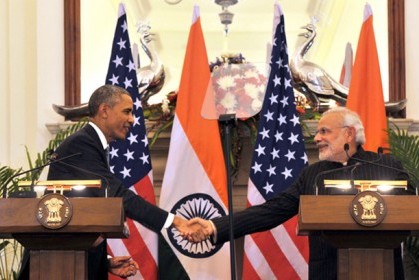
Modi Obama Wiki Courtesy: Wikipedia
21 October 2015

Building on India-U.S. meeting points

Modi’s second visit to the U.S. in September indicates a growing partnership in such areas as business, technology, and climate change. Though gaps too remain—for example, India is not part of the TPP and its bid for a UNSC seat is on hold—for now, it is time to consolidate bilateral meeting points, and India can start by simplifying its trade policy and tariff structure

nuke power plant Courtesy: Pixabay
15 October 2015

Why India-U.S. energy ties are stuck

Even as India and Germany move ahead on energy cooperation, India-U.S. energy collaboration is stranded in the three key areas: nuclear power, shale gas, and solar energy. But with cheaper energy imports due to the fall in fossil fuel prices over the past 12 months, India can wait till it gets a better deal from the U.S.

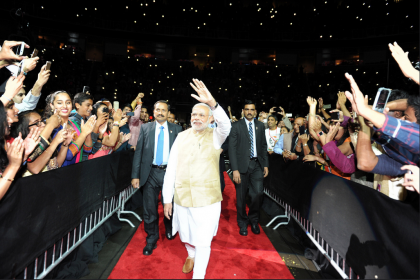
Modi SAP Center Courtesy: MEA / Flickr
8 October 2015

Dialing up the Diaspora: Modi Act II

Prime Minister Narendra Modi’s U.S. visit from 26-30 September managed to attract a lot of attention from Indian-Americans. However, not a lot of business was done. The diaspora hopes that Modi visits the U.S. again next year but the focus must shift to showcasing India’s commitment towards progress of “Make in India”, self-reliance in energy and commitment towards elimination climate change.