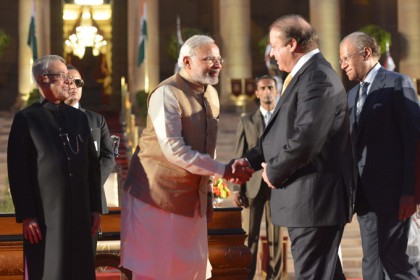
Handshake_between_Narendra_Modi_and_Nawaz_Sharif Courtesy: Wikipedia
3 September 2015

Pakistan’s denial regime

The cancellation of the August 23-24 meeting of the national security advisors of India and Pakistan follows a pattern of unrealistic expectations raised and then quickly dashed. This is compounded by Pakistan’s long history of denial on numerous issues. It may be time for both countries to abjure high-profile diplomacy and turn to small confidence-building measures.

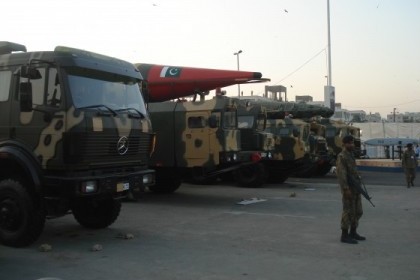
Military_truck_carrying_IRBMs_of_Pakistani_Army Courtesy: Wikipedia
3 September 2015

U.S.-Pakistan: A new nuke normal

A report by the Carnegie Endowment and the Stimson Center attempts to recognise Pakistan’s nuclear programme as ‘normal’ and India’s as not. However, with dangerous new additions to Islamabad’s arsenal, a throwback to simplistic US rationalisations still won’t bring Pakistan into the non-proliferation mainstream.

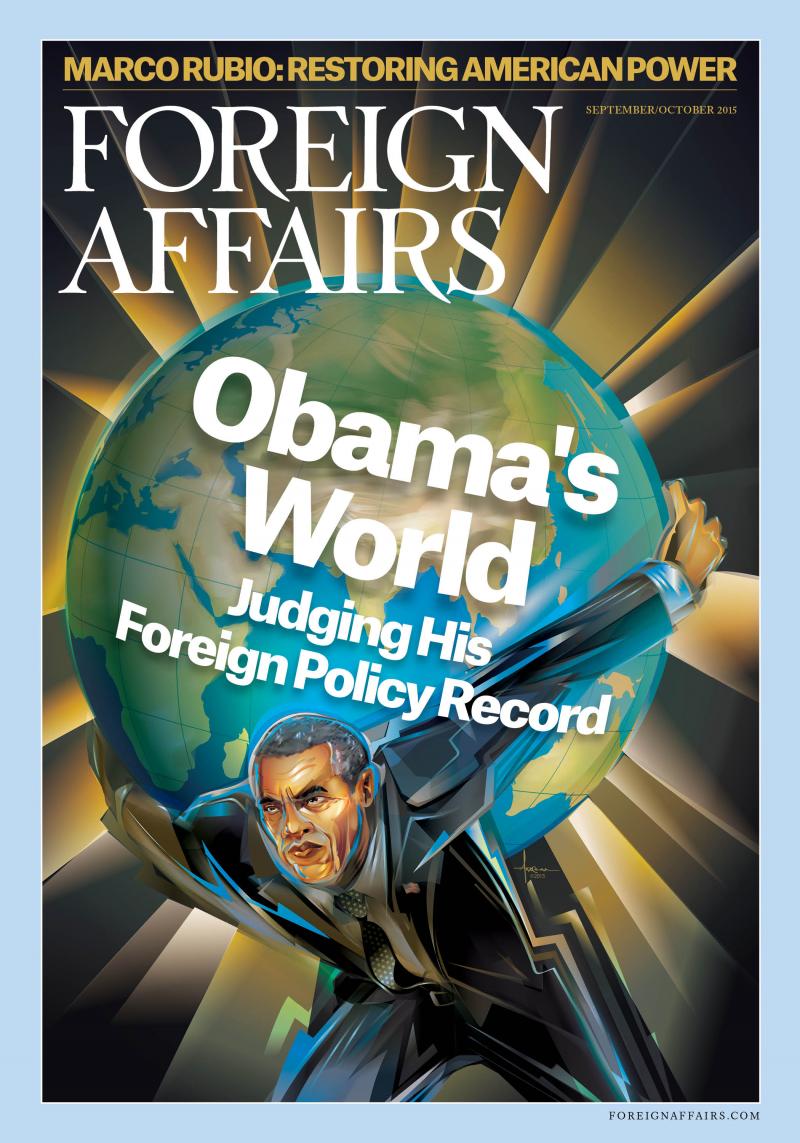
so15_cover_high_res Courtesy: Foreign Affairs
25 August 2015

An Unworthy Ally

Despite the unwavering support for their South Asian ally for more than 20 years, it time for the United States to bid farewell to Pakistan.

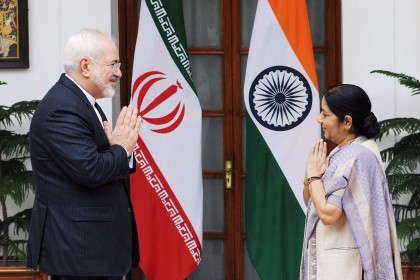
epa04883075 Iranian Minister of Foreign Affairs Mohammad Javad Zarif (L) is greeted by his Indian counterpart Sushma Swaraj prior to their meeting in New Delhi, India, 14 August 2015. Zarif is on a state visit to India to strengthen political ties between the two countries.  EPA/STR Courtesy: East Asia Forum
20 August 2015

Is the Iran deal a plus for South Asia?

The nuclear deal with Iran benefits India and Pakistan in terms of energy security and connectivity. But both countries also face challenges in their prospective engagement with Tehran, and both will have to tread carefully while using the new opportunities.

Mortar_attack_on_Shigal_Tarna_garrison,_Kunar_Province,_87 Courtesy: Erwin Franzen/Wikimedia
14 August 2015

Pakistan’s House of Cards

The August attack in Kabul and the now public disclosure of the death of Taliban leader Mullah Omar has caused Afghan President Ashraf Ghani to shift in outlook towards Pakistan. The "Pakistan-led" peace process is now tumbling like a house of cards backed implicitly by the United States.

People of Nagaland Courtesy: Homen Biswas/Wikimedia
13 August 2015

India: the East has Peace

As India celebrates its Independence Day, security situation on eastern borders is gradually moving towards stability with experiments in peace making focused on resolving insurgencies and border management. These experiments coupled with the sub-regional economic initiatives potentially put eastern region on the path of prosperity.

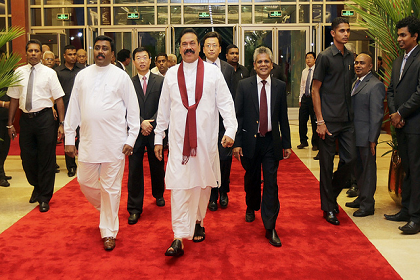
rajapaksa Courtesy: Sudath Silva/Flickr
12 August 2015

Will Rajapaksa return?

After losing power in January, Mahinda Rajapaksa, former president of Sri Lanka, is trying to re-enter politics by contesting for the prime minister’s seat in the elections on August 17. If he wins, it could destabilise Sri Lanka’s politics and impact relations with India, which had been hit under Rajapaksa’s rule. The future scenario will become clearer by next week.

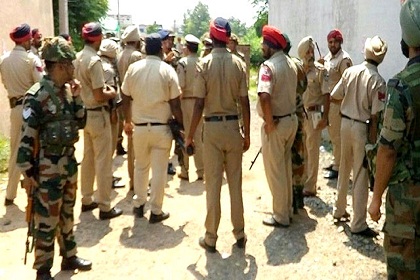
gurdaspur Courtesy: The Indian Express
30 July 2015

Gurdaspur: Advantage Pakistan

The attack in Gurdaspur this week was different from any previous Pakistan-sponsored terrorist hit. India must be wary of the new and improved strikes coming from across the border, and must also plan a robust, long-term policy response