Byte but no BIT
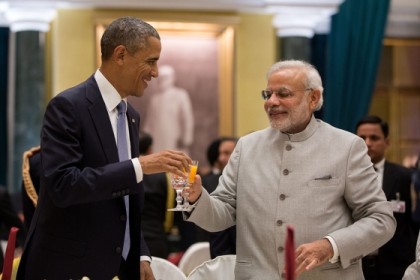
Behind the hullabaloo and grand optics that will accompany PM Narendra Modi’s visit to the U.S. will be laser-focused discussions on enhancing the strategic trade and investment relationship

 Courtesy: Wikipedia
Behind the hullabaloo and grand optics that will accompany PM Narendra Modi’s visit to the U.S. will be laser-focused discussions on enhancing the strategic trade and investment relationship
 Courtesy:
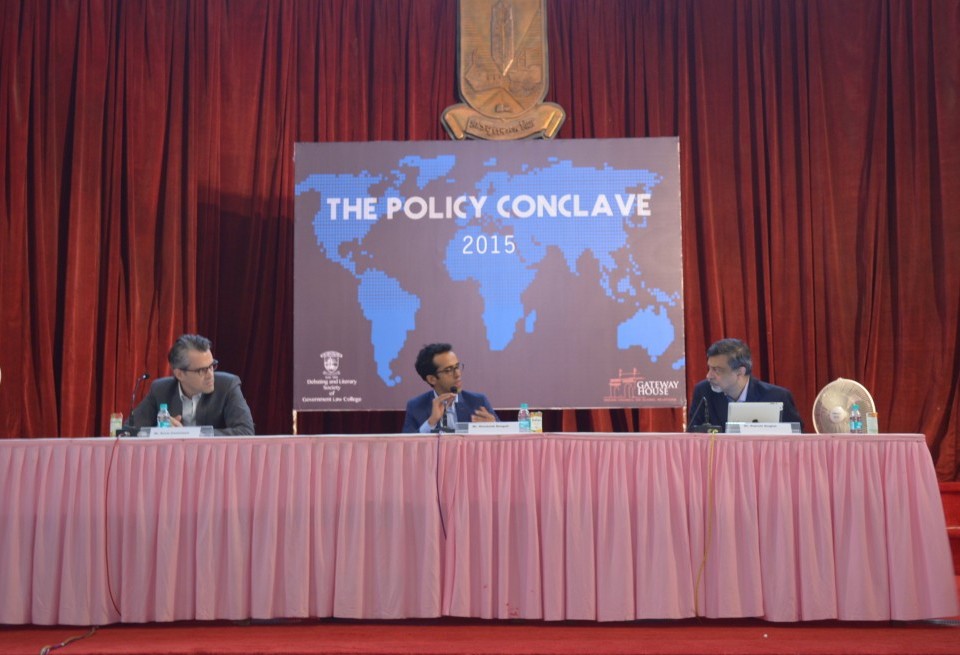
GLC Policy Conclave Session 1: The New Financial World Order Shashank Bengali (SB): So, Rajrishi, can you tell us basically what the circumstances were that led to the development of these new multilateral institutions? How did we get here? Read more
 Courtesy: itkannan4u/pixabay
External integration—which the Trans Pacific Partnership and the Regional Comprehensive Economic Partnership will generate—has policy implications that India must manage well and quickly. As a first step, India can introduce the GST, among other measures, in order to become a more unified domestic economy.
 Courtesy: PTI
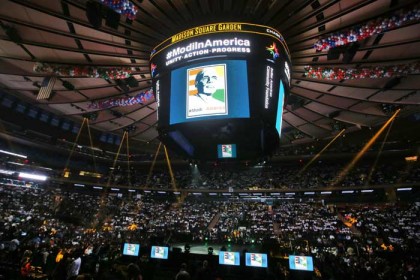
On his second trip to the U.S. next week, Modi will meet Obama to discuss various issues, including climate change and the civil nuclear deal; he will also visit Silicon Valley to explore innovation and social enterprise. But beyond the promises of this agenda, both sides must now devise deliverables that make the bilateral dream a reality.
 Courtesy: Lassi With Lavina
Has Hardik Patel done more harm than good to the Patel community? The Patels of the US say that their credibility has been tarnished by the protests in Gujarat. Seema Sirohi talks to Patels in America and assesses their mood.
 Courtesy:
While the lifting of economic sanctions after Iran’s recent nuclear deal with the P5+1 countries may improve socio-economic conditions, will it also positively impact human rights in the country?
 Courtesy:
ONGC’s purchase of a 15% stake in Russia’s Vankorneft presents the road ahead for India – by acquiring oil and gas fields today, India has a chance to lock in the price of imported energy at the current low level for the long run.
 Courtesy: Wikipedia
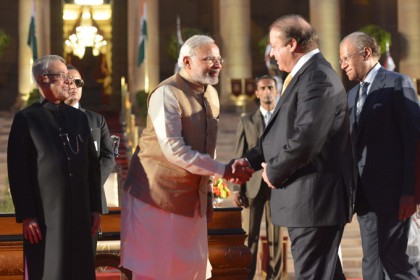
The cancellation of the August 23-24 meeting of the national security advisors of India and Pakistan follows a pattern of unrealistic expectations raised and then quickly dashed. This is compounded by Pakistan’s long history of denial on numerous issues. It may be time for both countries to abjure high-profile diplomacy and turn to small confidence-building measures.
 Courtesy: Bharata Bharati
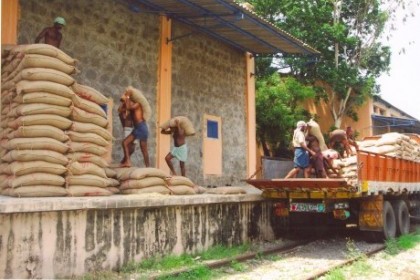
India, along with China, will present the case for food security protections at the WTO Ministerial Conference in Nairobi in December, where India will find it difficult to maintain its integrity as both a leader of G33 countries and a nation that has an expressed stake in the expansion of global trade. But it should stick to the G33’s Bali proposal for flexibilities for developing countries.
 Courtesy: Jürgen / Flickr
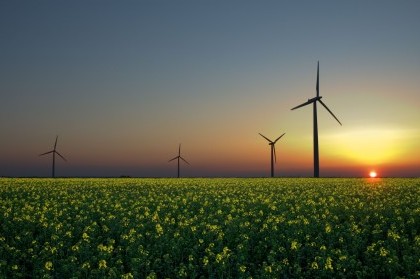
In Germany in June 2015, G7 countries made major commitments towards decarbonisation and reduction in greenhouse gases, which will lead to binding decisions at the COP-21 conference in Paris in December. Germany pushed for these outcomes, and as one of the most energy efficient countries in the world its technology and expertise can help India’s targets of alternative energy and sustainable industry.