India’s Lockdown Puts Strain On Call Centers
Sagnik Chakraborty, Researcher, Cybersecurity Studies, Gateway House was featured in NPR. Listen to the show here.

 Courtesy:
Sagnik Chakraborty, Researcher, Cybersecurity Studies, Gateway House was featured in NPR. Listen to the show here.
 Courtesy: Shutterstock
The COVID-19 pandemic has exposed the deficiencies of India’s precision instrument import-dependency and the global supply-chain vulnerabilities of international high-tech manufacturing giants. New Delhi can incentivise such companies to manufacture under the Make in India and Assemble for the World in India programmes
 Courtesy: Twitter/MEA
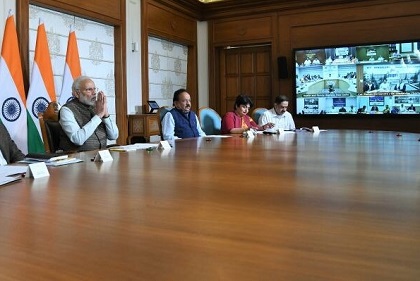
The Indian government, has, under challenging circumstances, evacuated, all through March 2020, nearly 3,000 Indian citizens, stranded in the hotspots of the coronavirus epidemic. These rescue operations, which have been performed adeptly since 1990, are a mark of a developed-country mindset with confidence-inspiring governance structures
 Courtesy: Twitter/Narendra Modi
The Coronavirus Disease (COVID-19), which has spread to more than 160 countries, is a global challenge, calling for coordinated intervention at the national, regional and global levels. Rajiv Bhatia, Distinguished Fellow, Gateway House, in this interview, outlines four aspects of the calamity
 Courtesy:
Amb. Rajiv Bhatia, Distinguished Fellow, Gateway House was feature in ThePrint. Read it here.
 Courtesy: Welcome Collection/Capt.C. Moss
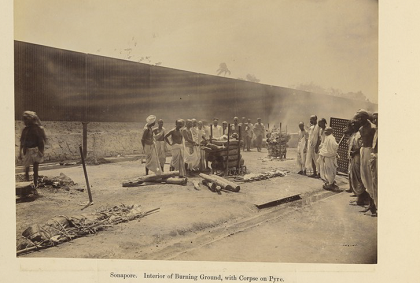
A pandemic tests governments' performance against four policy dilemmas; from preventing panic and economic collapse to calibrating the severity of response and controlling the narrative. The writer harks back to the agonies of the Bombay plague of 1896 and the dilemmas left unresolved
 Courtesy:
Amit Bhandari, Fellow, Energy and Environmental Studies, Gateway House was featured in the National. Read it here.
 Courtesy:
Amb. Rajiv Bhatia, Distinguished Fellow, Gateway House was featured on Channel News Asia. Watch the interview here.
 Courtesy: Shutterstock
The Coronavirus pandemic has caused crude oil prices to crash almost 40% even as Saudi Arabia and Russia pump more oil into the market. Fears are rife that this crisis will hit demand. There are repercussions on the U.S., the world’s top oil producer, on India, one of its new clients, and on the Gulf Cooperation Council countries
 Courtesy: Shutterstock
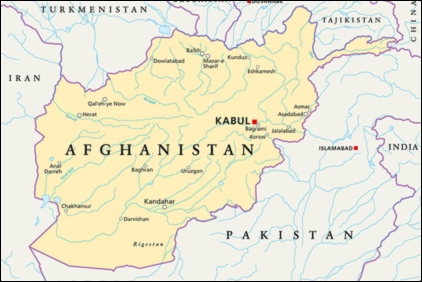
The U.S.-Taliban deal of 29 Feb favours some and disadvantages others in the region. This infographic shows how regional geopolitics will change