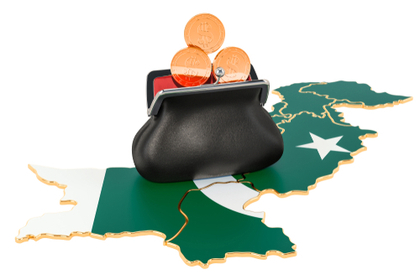
The China-Pakistan Economic Corridor with its unaffordable power projects is one reason for Pakistan’s current economic crisis. Pakistan has ended up with capacity it does not need, relying on fuels it is importing at a high cost
Earth Day, which fell on April 22, is an apt time to take stock of carbon emissions. This infographic offers a comparative look at two countries and what their carbon emissions convey about their approach to carbon mitigation
The main objective of the Shanghai Cooperation Organisation’s (SCO) Energy Club, when Russia formed it, was to market its member states’ substantial oil and natural gas reserves. This map shows some of the important natural gas pipelines, originating from Russia and its neighbouring countries that are not members of the SCO. What can India do to secure supplies from these abundant but currently inaccessible natural gas reserves?
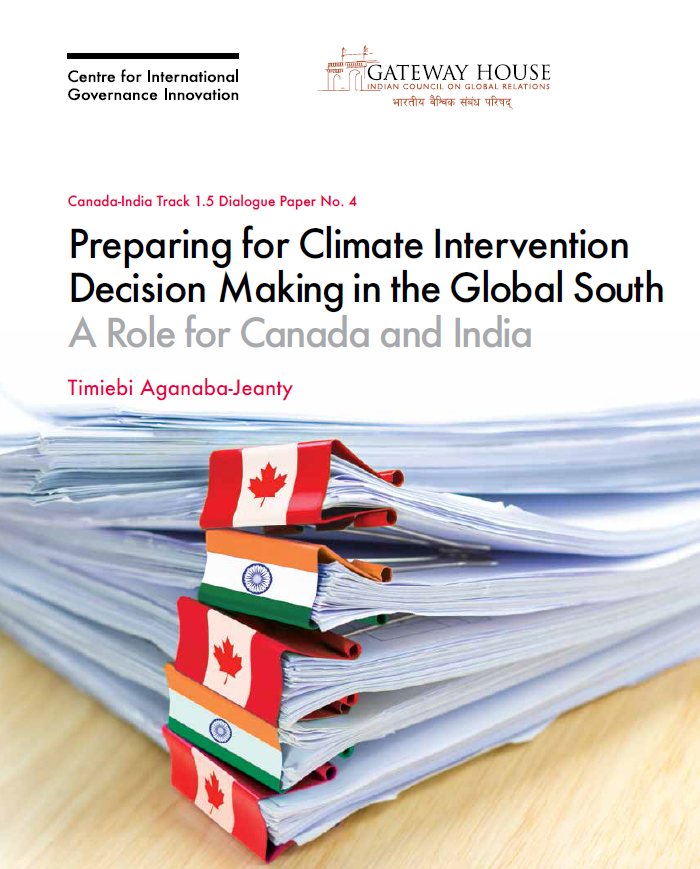
The use of climate intervention technologies has not taken into sufficient account the social dimensions of climate intervention research, which includes citizen participation and pooling of knowledge resources. To fill this lacuna, Canada and India can examine what participation in climate intervention research means in the context of an African country to be able to evolve a more international view; urge both countries to conduct national policy discussions on climate intervention research; and increase public awareness of climate intervention technologies
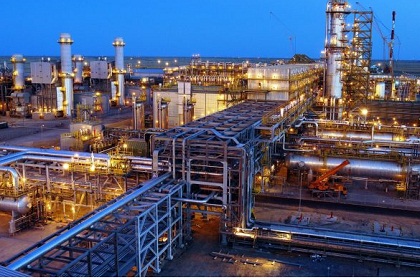
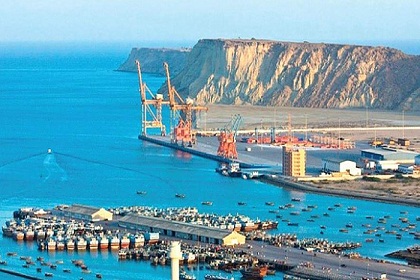
Pakistan’s aspirations for oil and gas prospecting off its Makran coast, south-western Balochistan, are diverging from those of China, which has had a nearly two-decade long presence in Gwadar as an infrastructure provider. To turn Gwadar into the petrochemical hub it desires, Pakistan has sought out other benefactors, changing geopolitical equations in the region
The use of terrestrial geoengineering techniques, such as carbon capture, is necessary to keep the rise in global temperatures below 1.5 degrees Celsius, as per the Paris Agreement’s targets. Terrestrial geoengineering is different from atmospheric climate engineering: the latter does not remove the very source of the increased greenhouse effect, which are anthropogenic greenhouse gases. India and Canada must collaborate on carbon capture and propose multilateral regulations for unethical atmospheric climate engineering
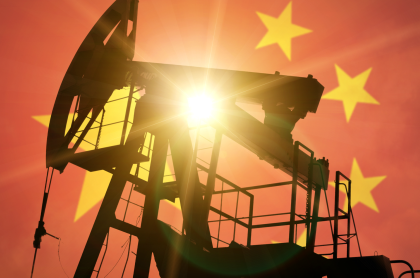
Basing the global oil trade on the Yuan instead of the U.S. Dollar is one leg of China’s bid to convert its currency into the international reserve currency, replacing the dollar-dominated global financial architecture. But many factors impede the Yuan from reaching the maturity required for its global adoption.
Abu Dhabi and the UAE are some of the more stable places where India or China can look for an upstream oil asset, said Amit Bhandari, our senior fellow, energy and environment studies, in an interview with UAE-based The National. Read more
Our Director, Amb. Neelam Deo, and our energy expert, Amit Bhandari, were interviewed by UAE-based The National on the geopolitical and energy implications of Chinese Premier Xi Jingping’s visit to UAE, and India’s place in the oil and gas supply chain. Read more
An interview given by Gateway House energy expert, Amit Bhandari, to Sputnik News was mentioned in an article by Tehran Times. In it, Amit joins other energy experts from India to provide an outlook for how India should respond to U.S. Read more