 Courtesy: NATO/Flickr
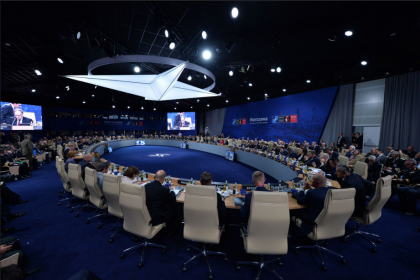
In the aftermath of Brexit, the recently concluded NATO Summit highlighted the emerging asymmetry between NATO and the EU on their respective policy positions towards Russia. Has the expansion of NATO and the EU to absorb Eastern Europe, and the consequent large migration flows, been responsible for the visible cracks within the Europe?
 Courtesy: Sputnik News
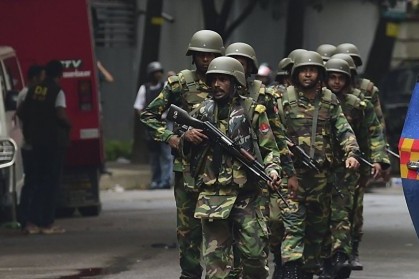
The recent terror attacks in Dhaka, the capital of Bangladesh, turned the spotlight on the country’s increasingly violent and volatile political situation. The interplay of deep political divisions, the rise of radicalised student politics, religious extremism, which the government has failed to rein in, and the spread of trans-national terror networks has created a toxic cocktail in Bangladesh with dangerous implications for India.
 Courtesy: MEA / Flickr
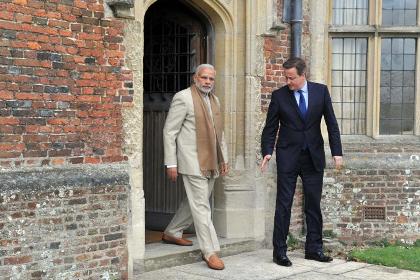
The result of the Brexit referendum is nothing less than a body blow to Bretton Woods organisations, International Monetary Fund-North Atlantic Treaty Organisation (NATO)-World Bank, that originated at the end of the Second World War. The possibility of an Asian century becomes more feasible, if India can be nimble enough to make the most of the opportunity which has presented itself in Europe.
 Courtesy: Narendramodi.in
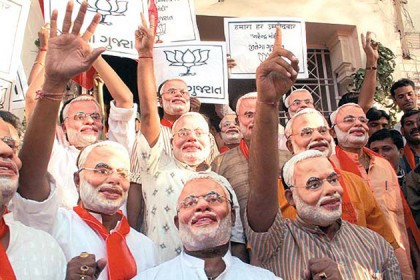
Narendra Modi’s landslide victory in India's 2014 general elections, despite his hardline nationalist image, was viewed as a localised phenomenon. But two years later, voters across the world from Europe to Philippines seem to be tilting towards leaders with the same nationalist tag.
 Courtesy: Gateway House
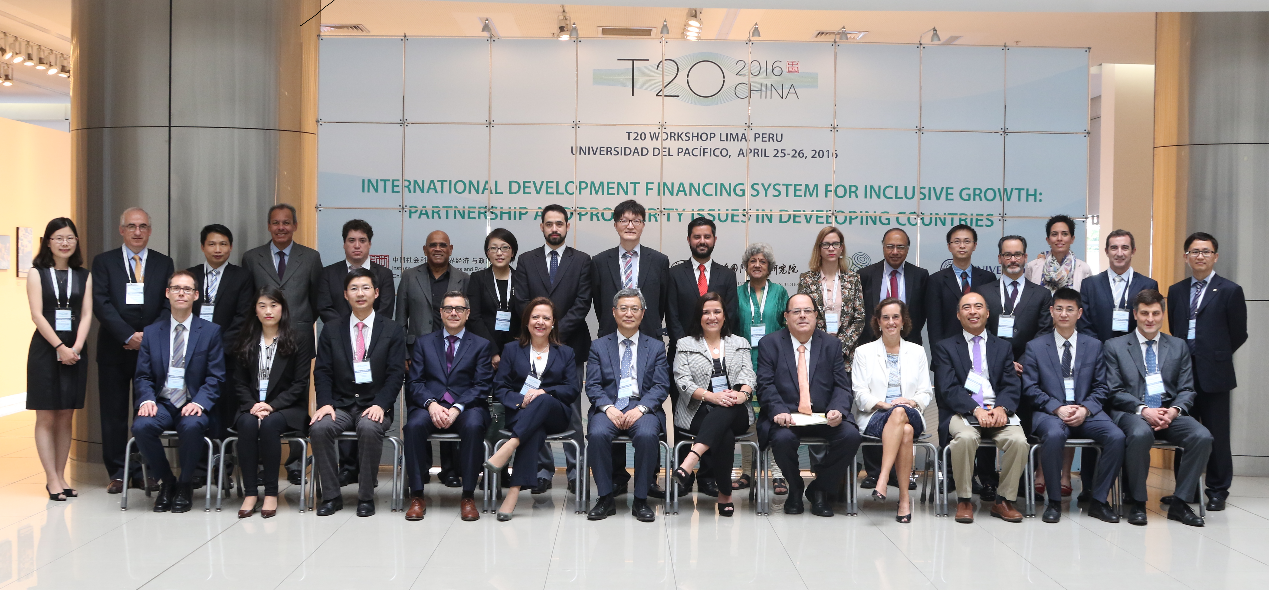
A T20 workshop in Lima, Peru, provided the opportunity to for a deeper insight into the the Latin American economic situation. While the workshop focused on finding innovative solutions to sustain high growth in middle-income countries. There is a need for India and similar countries, to become sensitized to each others problems on development.
 Courtesy: Wikipedia
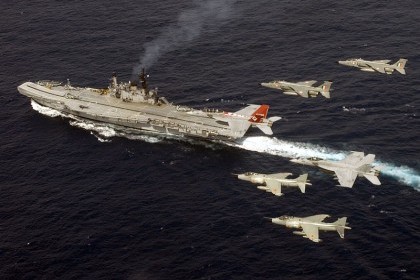
After nearly a decade of moving slowly towards the U.S. on critical matters including nuclear power, the recent bilateral agreement to share military facilities and have anti-submarine warfare talks, suggest that Prime Minister Narendra Modi will have India sail the oceans with the American eagle.
 Courtesy:
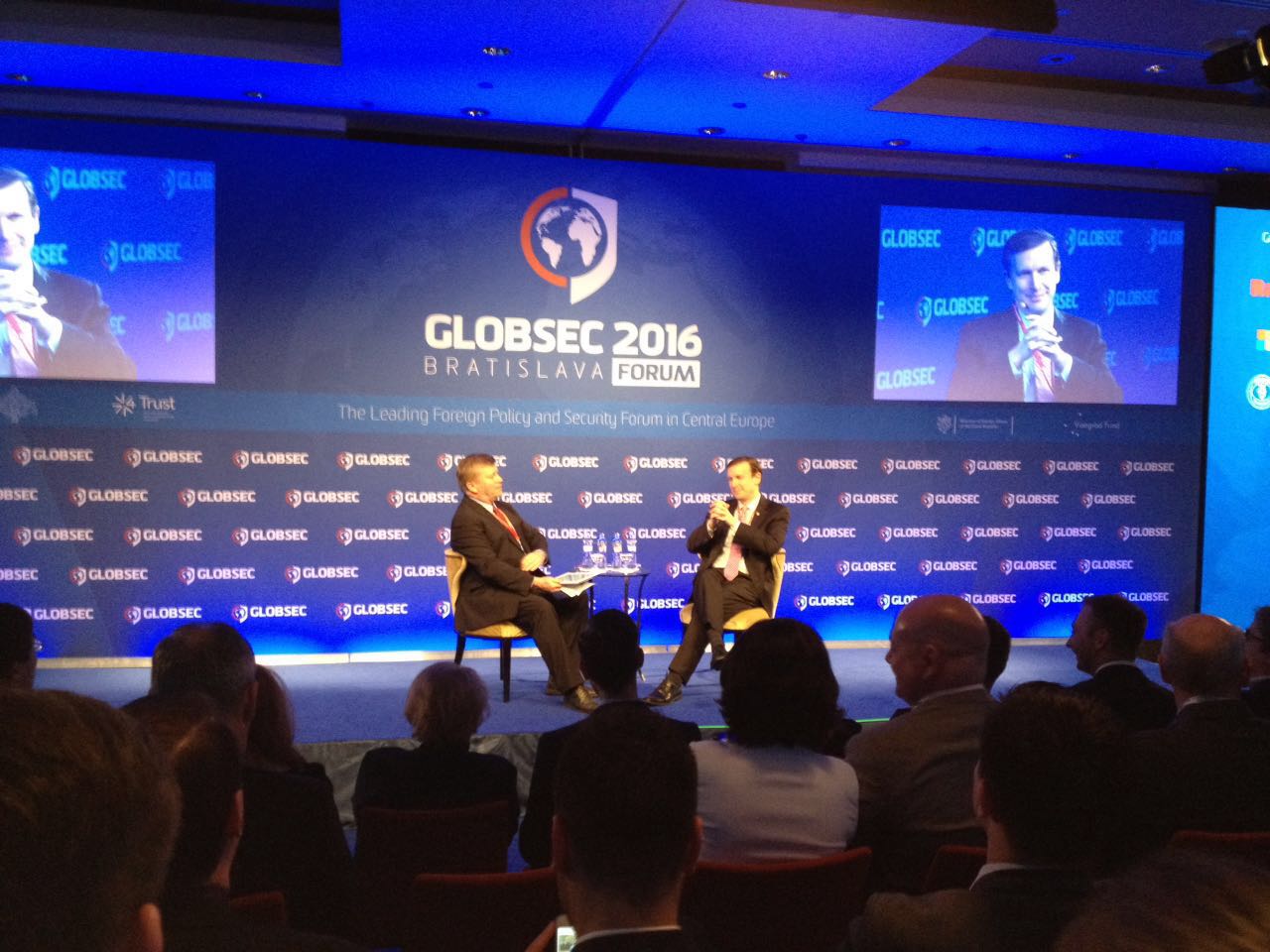
Discussions at the Global Security Forum 2016 at Bratislava, Slovakia were reflective of some of the most pressing contemporary global security concerns; differences between NATO and Russia, the rise of China, turmoil in Iraq and Syria etc.
 Courtesy: Wikipedia
India needs a more developed strategic focus on its eastern-western seaboards. Prime Minister Narendra Modi has taken the lead, investing considerable diplomatic capital and time in his visits to Saudi Arabia, the UAE, and island nations in the Arabian Sea. In the east, he is progressively engaging with ASEAN, Japan and Australia
 Courtesy: Wikipedia
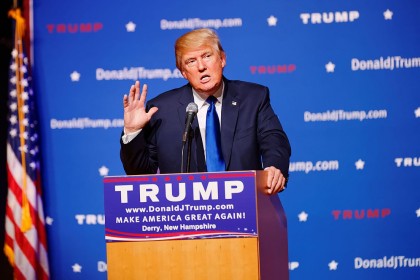
Statements by Donald Trump, the business magnate turned serious contender for the Oval Office, assert that he wants “good” political and economic deals for the U.S. - even if it means dismantling alliances, i.e. the geopolitical equivalents of Bretton Woods that underwrote the U.S .domination in Europe, Asia and Middle East for more than six decades. A new era could dawn.
 Courtesy: PTI
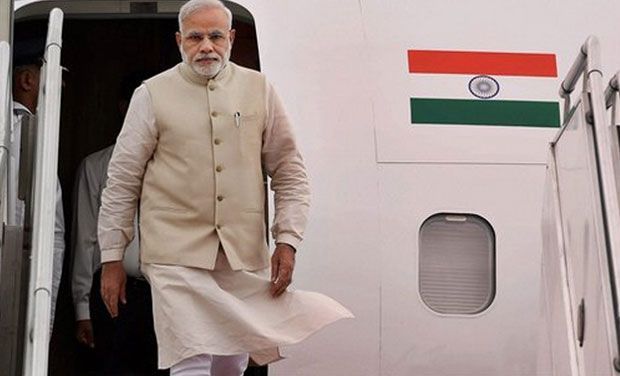
Prime Minister Modi's energetic foreign policy and travel has focused on attracting foreign investments. But the task of translating commitments into investments on the ground rests with the Ministry of External Affairs. And the MEA needs greater resources to realise the benefits of Modi's deepening economic diplomacy abroad.