 Courtesy:
The outcome of the Iowa caucus has been stunning for both parties, where Donald Trump’s defeat as well as Hillary Clinton’s near defeat was not foreseen by anyone. All eyes have now turned to the New Hampshire primaries where Hillary Clinton beat Barack Obama in 2008, but went on to lose the Democratic nomination.
 Courtesy: Youtube
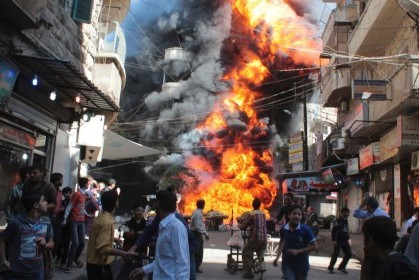
The world has witnessed a number of upheavals in the past few years, precipitating widespread global political turbulence stemming from geo-economic instability. Over the next couple of months, Gateway House experts will attempt to deconstruct these events and how India and its foreign policy can work to take advantage of these trends.
 Courtesy:
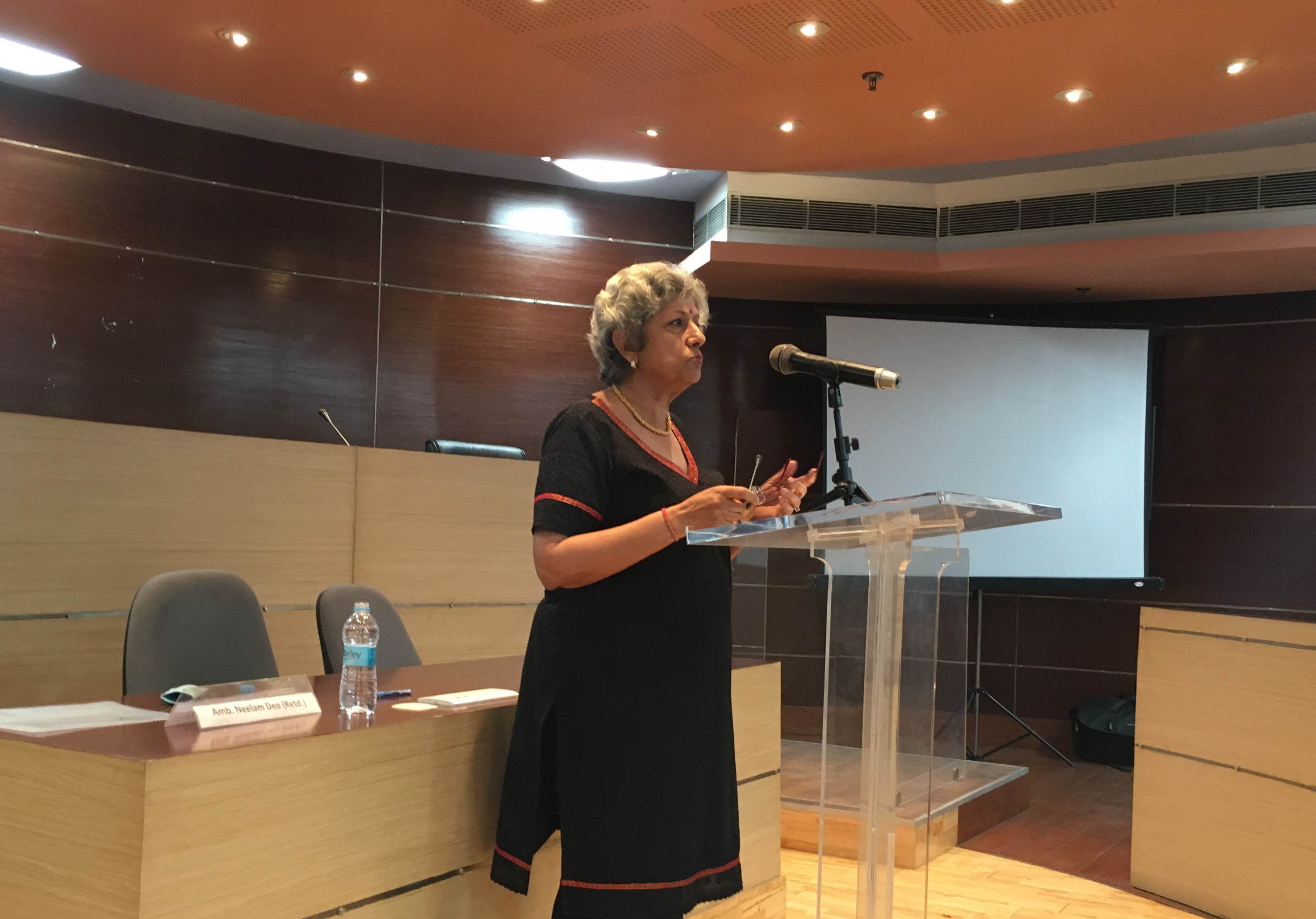
Ambassador Neelam Deo, Director, Gateway House delivered a lecture at the West Bengal National University of Juridical Sciences, Kolkata on 30 January, 2016.
 Courtesy: Wikipedia
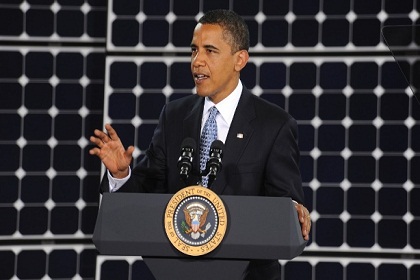
In his last and final State of the Union address, President Obama reasserted the United States’ global supremacy as a military and political power. He claimed credit for the historic Iran deal while conceding that Congress had maneuvered efforts on many crucial fronts
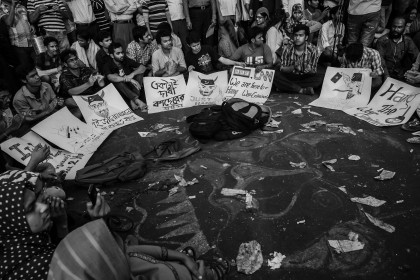 Courtesy: Mehdi Hasan Khan/ Wikipedia
At a time when Islamic fundamentalism is threatening the world, Bangladesh as a moderate muslim democracy occupies a unique position in actively confronting this threat under Sheikh Hasina. Instead of the unjustified criticism levied against its war trials, the West must actively support its fight against terror.
 Courtesy: Victor Dubreuil / Wikipedia
The GCC finds itself engulfed by a perfect storm – due to the oil price fall and the re-emergence of Iran on the world scene. While the GCC is forced to undertake politically challenging reforms and confront the regional challenge of Iran, there lies a great opportunity for India to strengthen their economic as well as security ties.
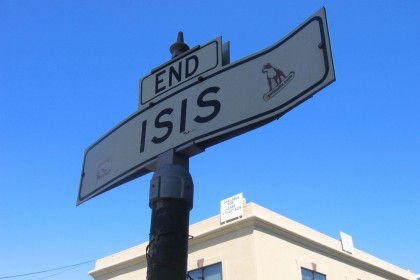 Courtesy: Dawn Endico
Today ISIS is the gravest international security threat. To defeat ISIS, the world should pay heed to India’s experience of the need to isolate state sponsors of terrorism. Ultimately, only when Saudi Arabia acknowledges the danger to its own survival from past policies of alleged support to extremist groups, can it be a reliable partner in the fight against ISIS.
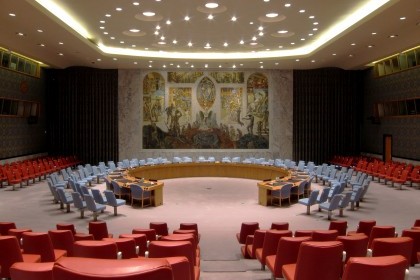 Courtesy: Wikipedia
On 14 September, a UN General Assembly resolution called for reform of the Security Council (SC). But when the world is in turmoil and alternative multilateral institutions are emerging, this may be a case of too little being done too late. It is imperative now for the SC to include India, Brazil, Germany, and Japan and adapt to a rapidly evolving world.
 Courtesy:
Neelam Deo, Director, Gateway House, wrote an article on India - Bangladesh relations for Holiday, a weekly Bangladeshi paper.
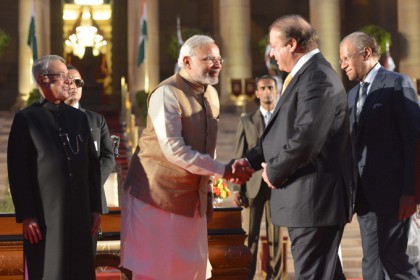 Courtesy: Wikipedia
The cancellation of the August 23-24 meeting of the national security advisors of India and Pakistan follows a pattern of unrealistic expectations raised and then quickly dashed. This is compounded by Pakistan’s long history of denial on numerous issues. It may be time for both countries to abjure high-profile diplomacy and turn to small confidence-building measures.