kudankulam Courtesy: Wikimedia.org
1 October 2014

Decoding the India-U.S. nuclear deal

Bringing U.S. nuclear technology to India is a goal identified in the countries’ joint vision statement. Although public discourse on the India-U.S. nuclear deal has focussed on the liability clause, the pact’s success also depends on resolving other factors such as local sourcing, technology transfer and project delays


India-US-1 trillion Courtesy: Gateway House
15 September 2014

India-U.S. Partnership: $1 Trillion by 2030

Indian prime minister Narendra Modi's landmark visit to the U.S. in September 2014 was followed by U.S. President Barack Obama's historic visit to India this month. Anticipating a renewed partnership between the two countries, Gateway House, presents a research paper titled ‘The India-U.S. Partnership: $1 Trillion by 2030’ that advocates a different path for the India-U.S. bilateral from all others, one that will help deepen economic relationship with the U.S.

tech agenda Courtesy:
14 September 2014

The India-U.S. Partnership: $1 trillion by 2030

India’s prime minister, Narendra Modi, will make a landmark visit to the U.S. in September 2014. Anticipating a renewed partnership between the two countries, Gateway House, an Indian foreign policy think tank, launched a research paper ahead of the prime minister’s visit titled The India-U.S. Partnership: $1 Trillion by 2030 on 14 September 2014 at the Center for American Progress in Washington D.C.

Hagel2 Courtesy: Joshua Martin
7 August 2014

Hagel in India: building greater synergy

U.S. defence secretary Chuck Hagel’s visit is the third in a flurry of visits by top American officials before the scheduled Modi-Obama meet in September. Hagel’s visit will aim to enhance an already well-established defence-trade partnership and allay fears of the Pentagon’s bias towards Pakistan

kerry Courtesy: Ministry of External Affairs
2 August 2014

Strengthening ties amid differences

The 5th India-U.S. Strategic Dialogue was an effort to reverse the downward spiral in bilateral ties, and an opportunity for the two countries to get a realistic assessment of each other. Clearly given the range of differences on issues such as trade, tariffs and price controls, there is still plenty of work to be done

LNG platform Courtesy: Wikimedia\Floyd Rosebridge
1 August 2014

India-U.S: energy can charge the bilateral

Cooperation in the energy sector offers a chance for India and the U.S. to build on a mutually beneficial and complementary relationship. The U.S. will gain from having a large, long-term market while India will benefit from cheaper and more diversified energy sources

kerry Courtesy: IBtimes.com
29 July 2014

India-U.S: from strategic to historic

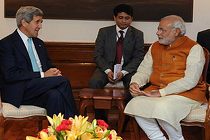
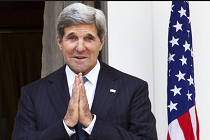
On the eve of his departure to India for the fifth India-U.S Strategic Dialogue, U.S. Secretary of State John Kerry outlined a roadmap of partnership between the two countries. While mentioning some of the ongoing concerns of the U.S government, he said this was a moment to chart a new course in the bilateral relationship

kantibajpai Courtesy: Gateway House
22 April 2014

Defining India’s priorities in East Asia

Dr. Kanti Bajpai, Professor, Lee Kuan Yew School of Public Policy, Singapore, talks about the reasons for the breakdown in the India-U.S. bilateral. In an interview to Gateway House, he also examines the recent strides taken in deepening India-Japan ties and the new government’s priorities in East Asia

devyani Courtesy: Asia Society/Flickr
20 December 2013

Nanny-gate dogs strategic partnership

The recent arrest and alleged mistreatment of Indian diplomat Devyani Khobragade by the U.S officials has cast a cloud over decades of Indo-U.S. partnership. With the furore showing little sign of dying down soon, could this impact bilateral ties at a time when the two nations need to work together in South Asia?