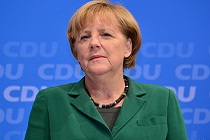
merkel cdu www.GlynLowe.com flickr Courtesy: www.GlynLowe.com/Flickr
27 September 2013

Germany after elections: Similar but not the same

It may take Chancellor Angela Merkel weeks to negotiate a new coalition, but the vote for stability means that change will only be at the margins of current domestic and foreign policy. Still, the fallout of the election in the EU and beyond, including in India, should not be underestimated
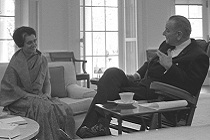
Indira Lyndon Jerchel wikimediacommons Courtesy: Jerchel/WikimediaCommons
24 September 2013

The case for India-Alignment

India often finds itself in the right place at the wrong time or vice versa, as our dogma of non-alignment trumps honest calculations of self-interest in policy-making – rendering it unfavourable. The national interest, hence, calls for selective alignment on some issues with Washington and on others with Beijing

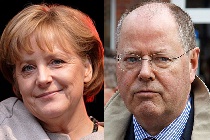
merkey steinbruck Courtesy: WikimediaCommons
6 September 2013

What does Germany want?

German foreign policy can be described as one anchored in the European and NATO alliance while being the economic centre of Europe. Yet, any government that comes in after the September 22 elections will be challenged by rapid developments in West Asia and elsewhere in a politically and economically turbulent world

Badi Soch: Is the U.S.-EU free trade plan a threat to India and China?
19 June 2013

Badi Soch: Is the U.S.-EU free trade plan a threat to India and China?

This daily column includes Gateway House’s Badi Soch – big thought – of the day’s foreign policy events. Today’s focus is on the negotiations for a free trade agreement between the E.U. and the U.S.

india eu pmo Courtesy: Prime Minister's Office
2 May 2013

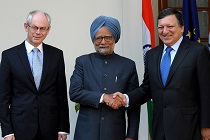
What to expect from the India-EU FTA

Negotiations for the India-EU Free Trade Agreement, which began in 2007, have yet to conclude. Deepak Rao blogs about the factors delaying the process, and the implications of the agreement on different sectors of the economy.

latvia Courtesy: Courtesy: Philaweb/WikimediaCommons
5 April 2013

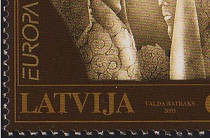
Latvia: Economic miracle or mangled economy?

Subsequent to the global financial crises of 2007, while several countries were still struggling with economic problems, Latvia managed to dramatically decrease its public debt, and its GDP too grew at an impressive pace. How was this success achieved and at what cost to the people of the country?

Gateway House Courtesy: Rajeshwari K/Gateway House
25 January 2013

“The EU is learning from its mistakes”

In the backdrop of the European Union’s (EU) economic crises, the international community’s focus has shifted towards Asia. Gateway House interviews renowned historian and scholar Timothy Garton Ash on the lessons Asia can learn from Europe, Britian’s role in the EU and political morality.

nicolas veron interview pic Courtesy: Nicolas Véron
20 November 2012

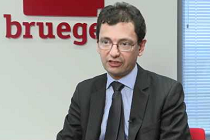
“Europe has lessons to learn from India”

The deterioration of growth prospects is at the core of the financial crisis in Europe. Can Europe successfully form a banking and monetary union? Gateway House interviews Nicolas Véron, a French economist, to discuss the repercussions of the financial crisis in Europe and the potential for Indo-EU cooperation.

green africa Courtesy: trendscout::/Flickr
4 October 2012

A Green Agenda for Africa

All the major economic forces in the world have come together in Africa in a new version of the Great Game. The competition for the continent’s resources will ultimately harm Africa unless Africa uses this opportunity to its advantage and to address its own serious problems.