A game-changer in Africa?
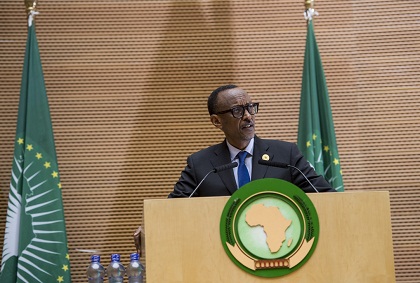
The African Union stands at a crossroads in its history. It needs to change direction to be relevant and show its members the path to prosperity. With Rwandan president Paul Kagame now at the helm, it may have a chance

 Courtesy: Paul Kagame/ Flickr
The African Union stands at a crossroads in its history. It needs to change direction to be relevant and show its members the path to prosperity. With Rwandan president Paul Kagame now at the helm, it may have a chance
 Courtesy: Government of South Africa/ Flickr
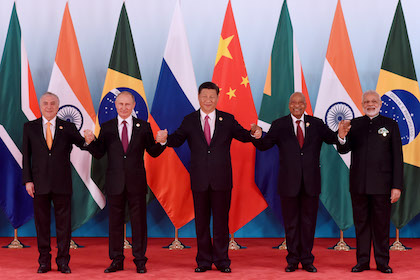
Internal political constraints dog it currently, but if overcome, South Africa can be a good chairman to BRICS and IORA in 2018. It also has a tough balancing act to perform between two great Asian powers, China and India
 Courtesy: MEA/ Flickr
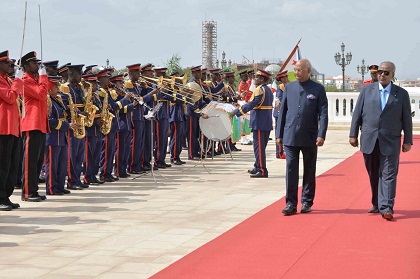
President Ram Nath Kovind’s first official visit as Indian president to Djibouti and Ethiopia earlier this month marks a continuation of the diplomatic outreach to Africa even though the proposed Asia Africa Growth Corridor seems to have received small mention
 Courtesy:
Indian President Ram Nath Kovind leaves for Africa on his first foreign visit as president on October 3. His first port of call will be Djibouti, which occupies a strategic location in the Horn of Africa. The country has assumed significance for hosting multiple foreign military bases on its territory, the latest entrant being China. This infographic illustrates Djibouti’s ‘military base’ diplomacy.
 Courtesy: Western Naval Command
China has expanded its presence in the Indian Ocean Region. President Xi Jinping has abandoned Deng Xiaoping’s conciliatory posture for an aggressive, money-fuelled search for super power status
 Courtesy: BBC
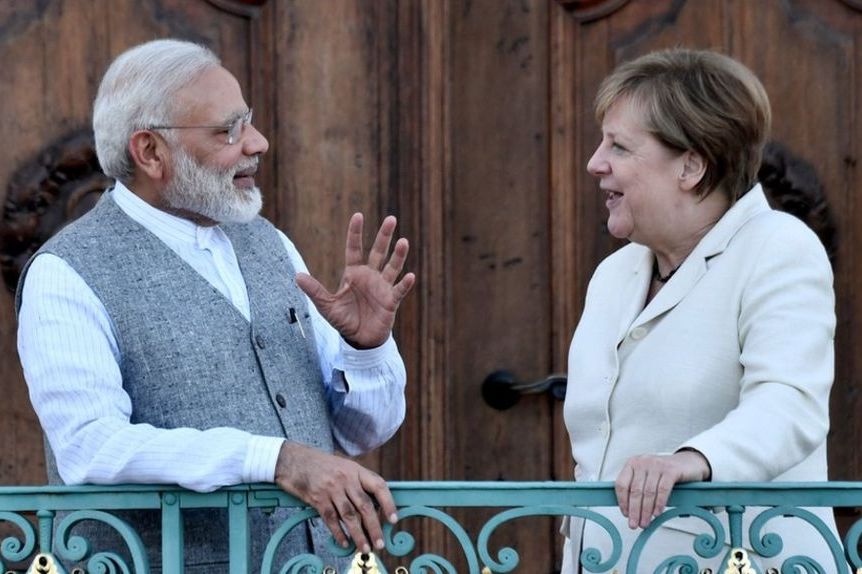
Germany and India have revealed a dual priority for Africa: creating opportunities for prosperity and promoting stability. For both, these are uncharted waters and represents a shift in the locus of global dynamism, away from an Anglo-Saxon world order to a more diverse yet potentially fissiparous one
 Courtesy: MEA/ Flickr
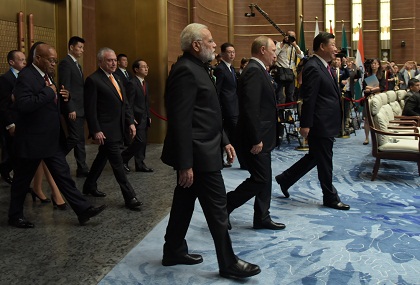
The ninth BRICS summit represented the victory of pragmatism over narrow nationalistic impulses. All BRICS members are likely to craft the grouping’s future script as it enters its second decade, but more crucially, the Big Three will have to show a large dose of statesmanship
 Courtesy: Narendra Modi/ Flickr
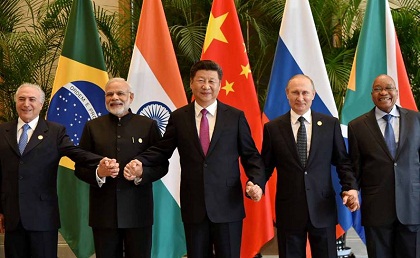
BRICS, which has always been committed to enhancing solidarity, is now entering its second decade – even as tensions between its two most consequential members remain unresolved and member states and other emerging markets are set to serve as “the main engine” of global growth
 Courtesy: Gateway House
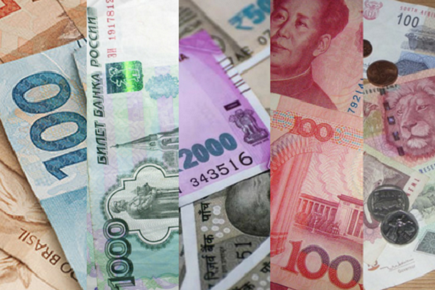
The multi-polar world that BRICS nations seek is not a reality yet and the differences between them do exist. But the BRICS summit in September offers leaders an opportunity to examine a few important financial issues before they can dictate the global agenda

Remarks by Ambassador Rajiv Bhatia, Distinguished Fellow, Gateway House, as Chair of Session on “Reinforcing India’s Development Cooperation with Africa” at the 12th CII-Exim Bank Conclave on India-Africa Project Partnership New Delhi, 10 March 2017 Distinguished Ministers, panelists, Delegates, Ladies Read more