Indo-US relations linked to outsourcing: Foreign Secretary S Jaishankar
The Economic Times published an article on S. Jaishankar's speech at the Gateway of India Geoeconomic Dialogue on India's foreign policy.

 Courtesy: Economic Times
The Economic Times published an article on S. Jaishankar's speech at the Gateway of India Geoeconomic Dialogue on India's foreign policy.
 Courtesy: The Press Trust of India
The Press Trust of India published an article on S. Jaishankar's speech at The Gateway of India Geoeconomic Dialogue. This article was republished by several other news publications.
Courtesy: The Press Trust of India
The Press Trust of India published an article on S. Jaishankar's speech about terrorism in Pakistan and the need for the Pakistani government to take strong action against radical groups at The Gateway of India Geoeconomic Dialogue
 Courtesy: Gateway House
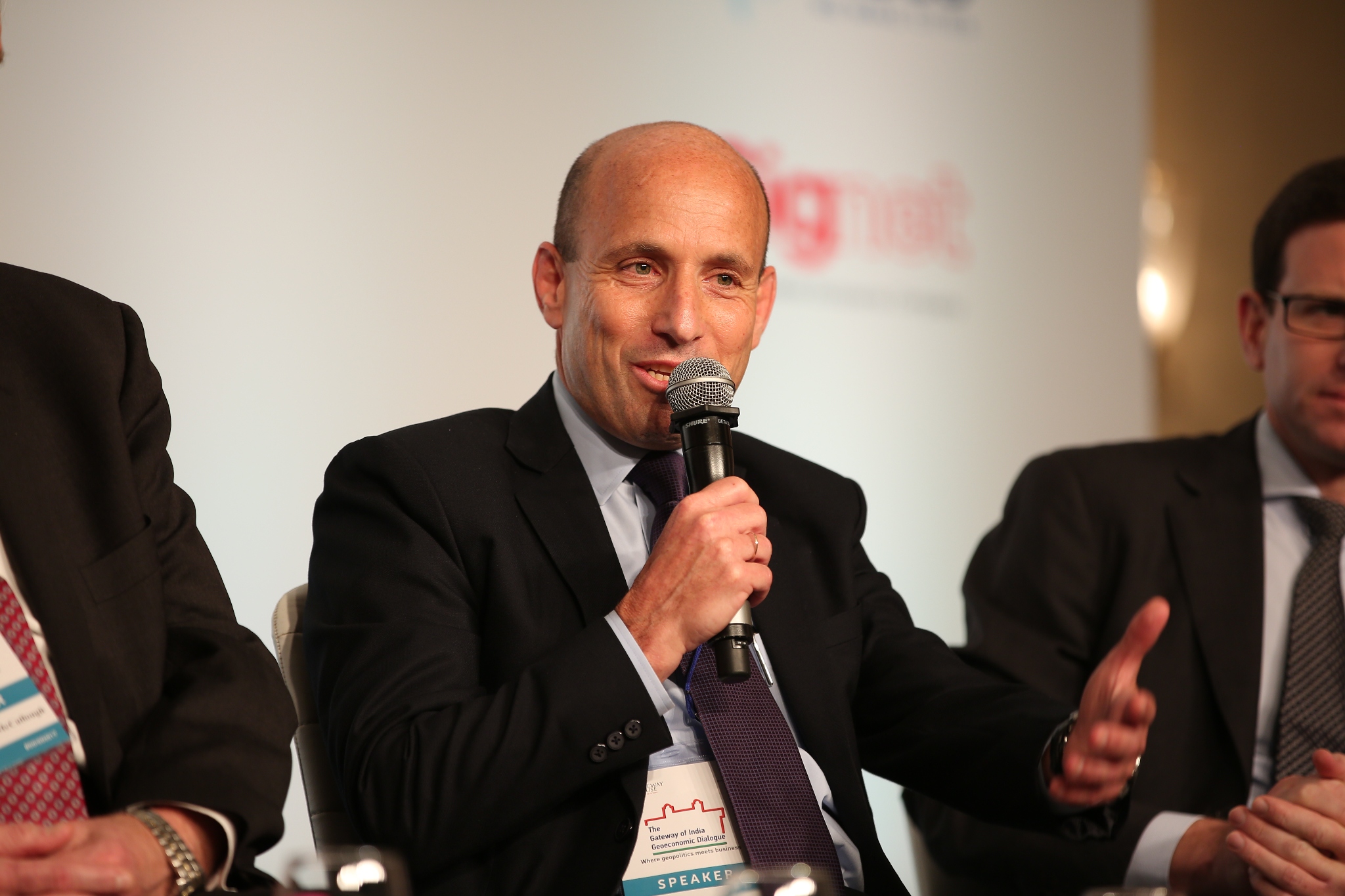
In his interview, Rear Admiral (Retd.) Ophir Shoham discusses Israel’s liberal cybersecurity policies and the high levels of export in the cybersecurity sector. According to him, transfer of technology is imperative for Digital India, as for a country to become digital, Infrastructure is most important which is protected by cybersecurity. In the defence space, he mentions the close relationship India and Israel share despite it being a sensitive area. He prescribes a collaboration between the two countries to build weapon systems that they can use to customize defense equipment for the Indian defense system and the Israeli defense system.
 Courtesy: Gateway House
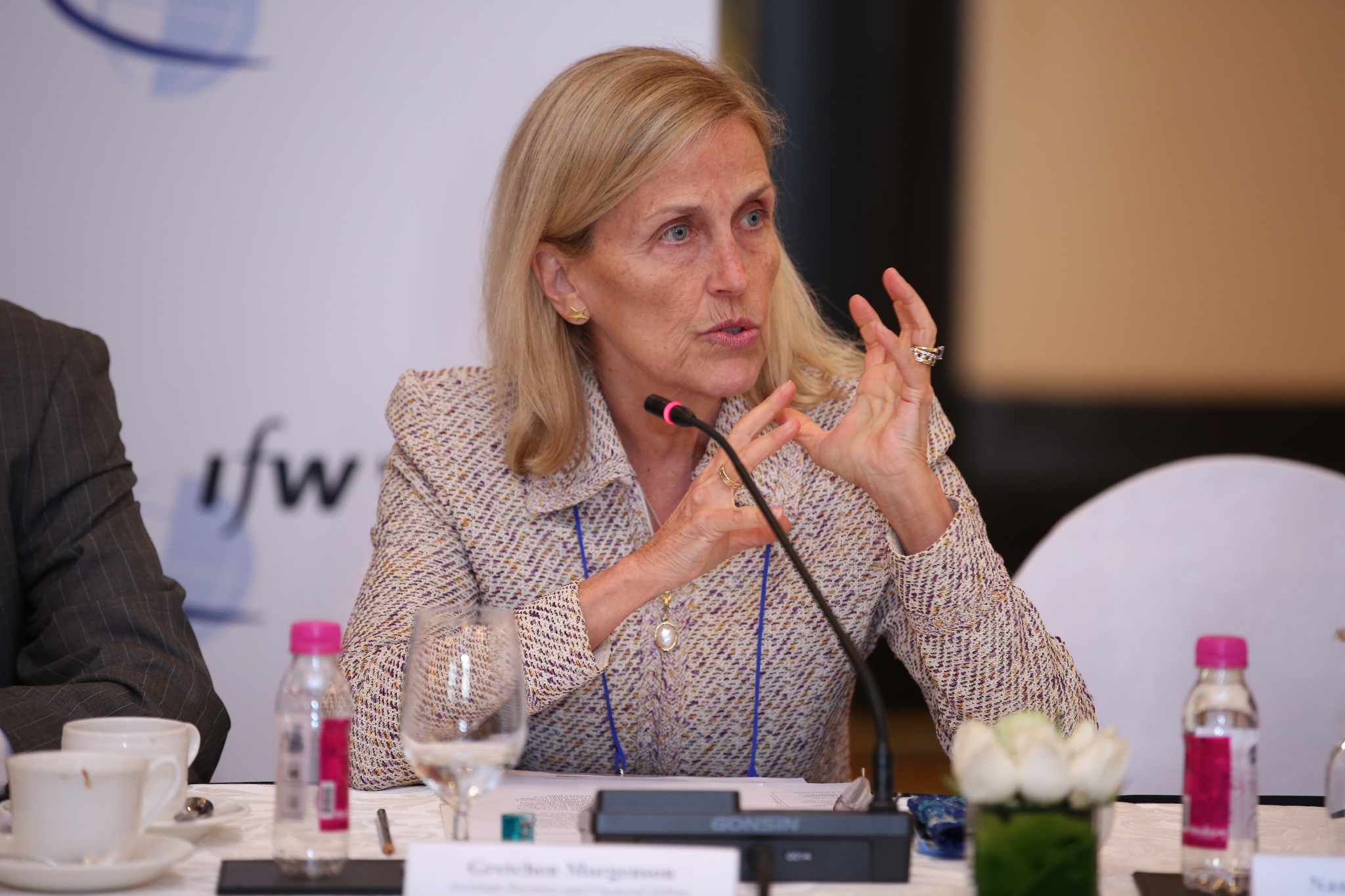
In Gretchen Morgenson's interview she discusses the implications on the American stock market of the repeal of the Dodd-Frank financial regulations and the possibility of a reduction in corporate taxes. She argues that although Trump has proposed several changes to financial regulations and the American tax regime, he may be unable to implement these measures. She then illustrates the impact of the lack of accountability of the government on the psyche of the American consumer, which would, by default, affect the economy. She emphasizes on the impact, that Trump being a real estate business man, will have on his negotiating methods, and in turn will have on investors.
 Courtesy: Gateway House
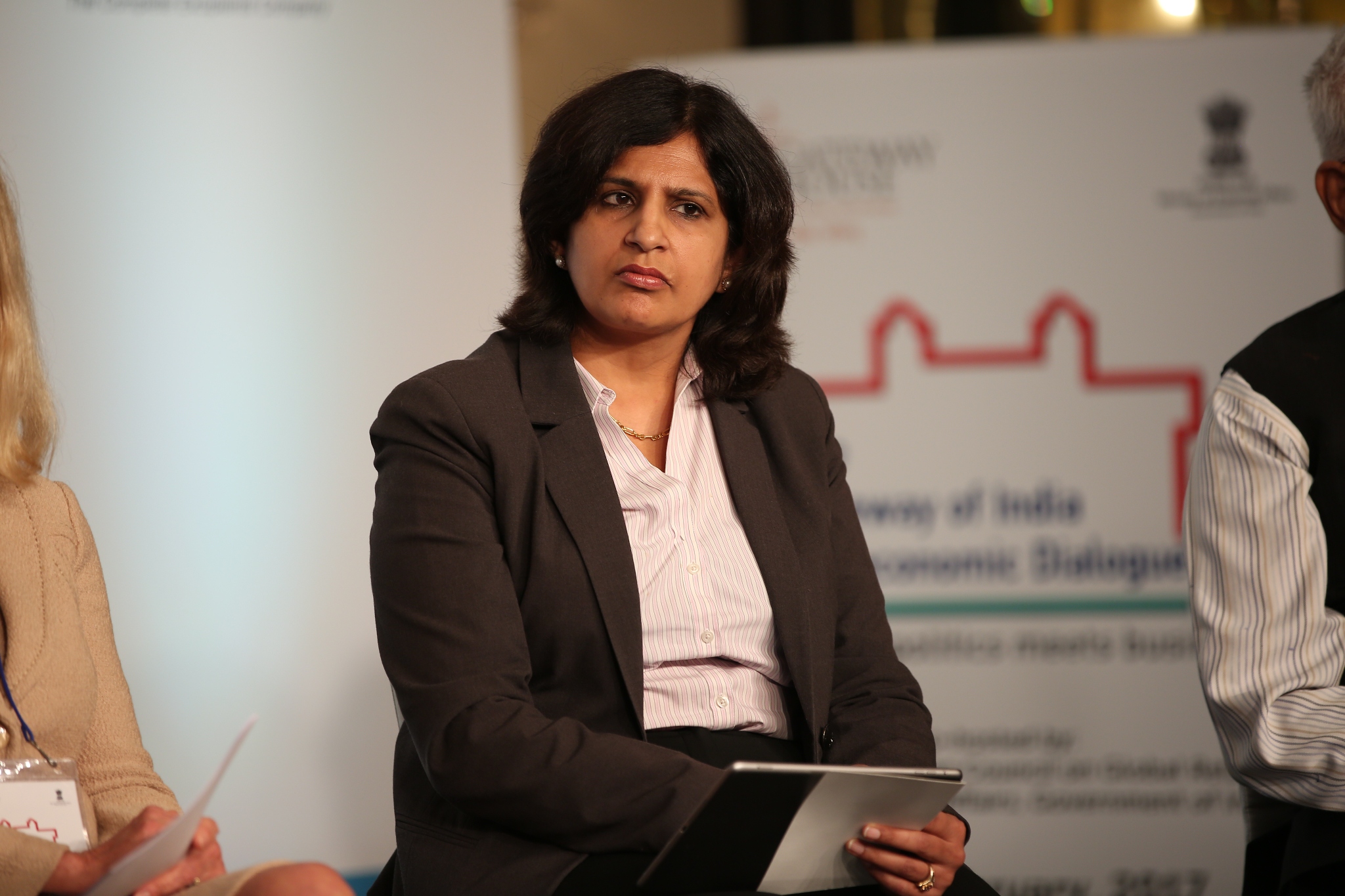
In Monica Bhatia's interview, she discusses the changes in the global financial sector in the wake of the Panama papers and the HSBC files, mainly the increase in transparency between banks and governments. She highlights her belief in the Automatic Global Tax Information Sharing Network in countering tax evasion and the success of the methods that governments have already undertaken to enable voluntary disclosures. Lastly, she illustrates the measures under the BEPS system on tax compliance.
 Courtesy: Gateway House
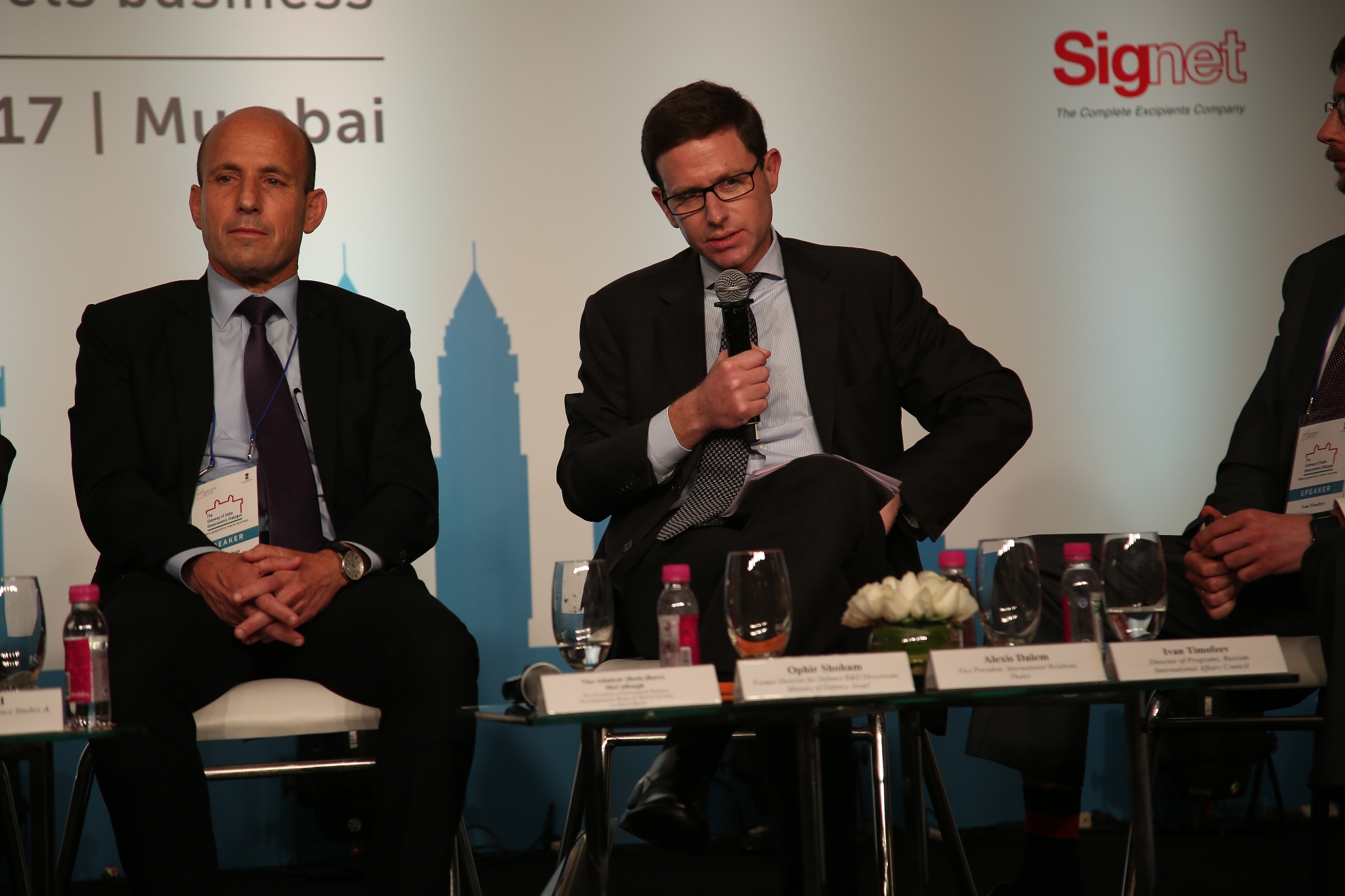
In Alexis Dalem's interview he discusses areas on which Thales and India have collaborated in the past and can collaborate in the future, in the defense, security and aerospace spheres, and under the Make in India policy. He laid emphasis on Thales's policy of willingness for technology transfer and production in India and their ambition to co-develop products and export from India, since they have a strong belief in India's industrial competitiveness and skilled workforce. He further applauds Modi's recent FDI changes in India as it allows for this technology transfer, enables Thales to retain a certain level of control in their subsidiaries in India and creates an investment positive business environment.
 Courtesy: Gateway House
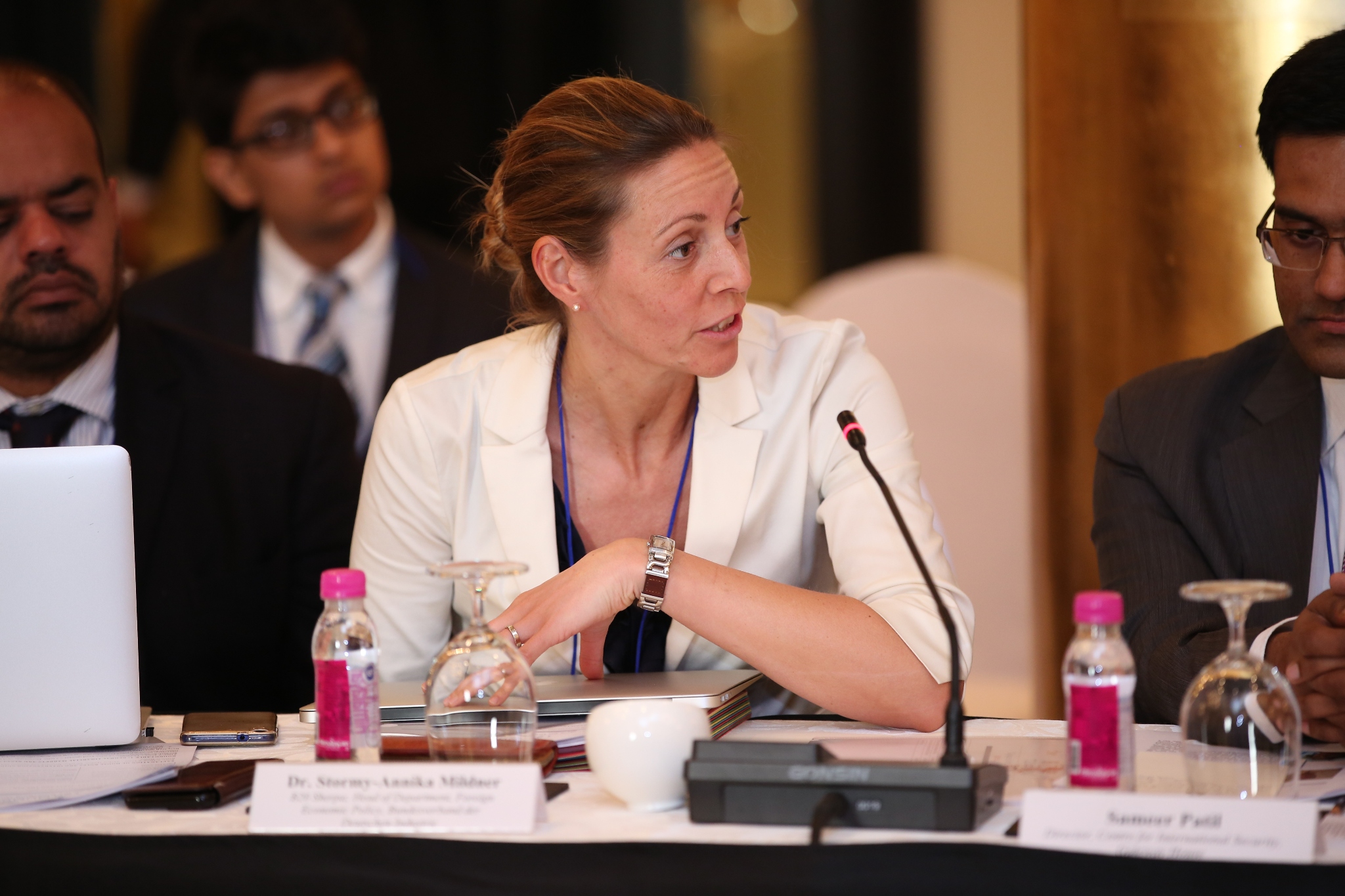
In Dr. Stormy Mildner's interview she highlights the high levels of benefits accrued to countries due to trade. She mentions methods that can further increase these advantages. Her perception of trade is that it involves not just the mobility of goods but also of services. She describes measures taken by the B20 such as the Business Mobility Card that will facilitate labour mobility. She ends with the founding principles, objectives and goals of the B20 and the legacy the German Presidency would like to leave behind when its term ends, namely, sustainability, inclusiveness and a future oriented approach to growth.
 Courtesy: Gateway House
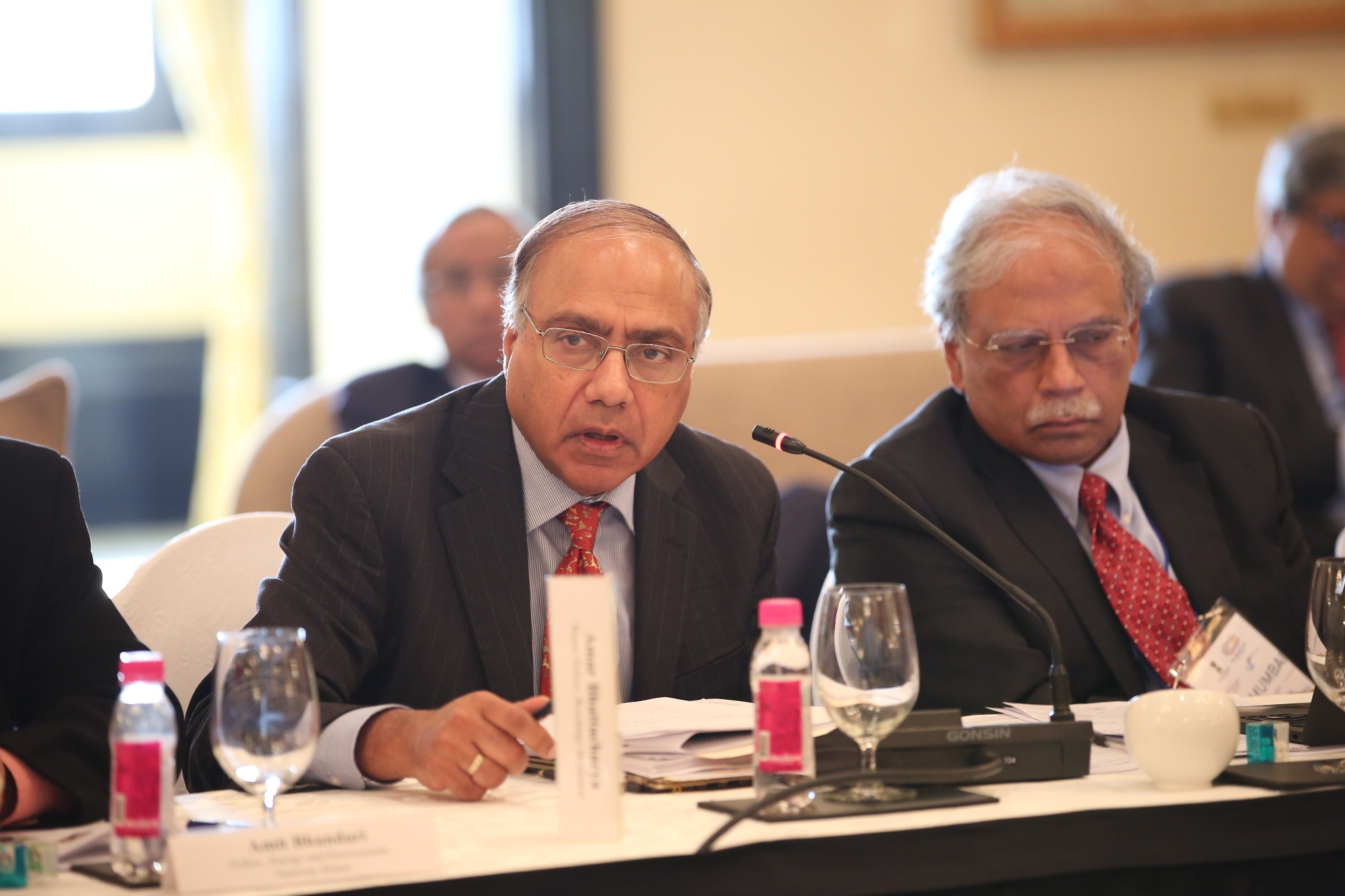
In Amar Bhattacharya's interview he discusses the desperate need for additional finance to succeed in implementing measures for climate change mitigation. He stresses on the special need for countries like India to access capital, make this transition, and serve as an example for other emerging markets. He highlights the importance of the private sector in entering the green financing sphere as well as the need for the government to establish the blueprint and safety nets necessary to enable these private financiers to invest in green infrastructure.
 Courtesy: Gateway House
In his interview, Dr. Peter Wolff discusses the pillars and objectives of Germany's Marshall Plan for Africa and the need to integrate it into the global value chain. In the sphere of renewable energy, he argues that the most effective way of establishing a solid renewable sector is through market based strategies rather than government based ones. Although in some industries public private partnerships are the best measure, in others a more corporate lead approach is better.