Iran oil Courtesy:
9 April 2015

How the Iran deal impacts India

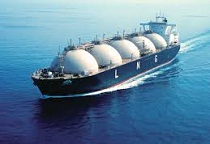
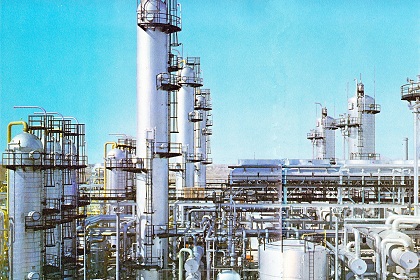
If the sanctions against Iran are eased following the April 2 agreement with the P5+1 on the country’s nuclear programme, it will increase global oil and gas supplies, bringing stability to energy markets. It could also resolve the issue of the Farsi Block in Iran, where further exploration of gas by Indian companies has been held back
arak Courtesy: Wikipedia
7 April 2015

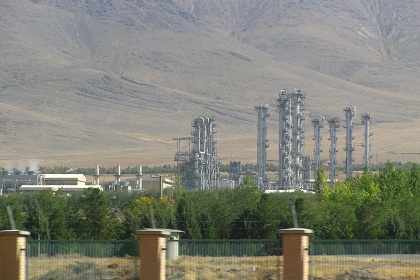
Arak nuclear reactor neutered

One of the long-standing issues in the Iran-P5+1 negotiations was Iran's Arak nuclear reactor because of its potential to produce weapons grade plutonium. The recent Iran-P5+1 agreement includes a resolution that has specific measures to ensure it is not used to used to produce nuclear weapons

P5+1 Talks With Iran in Geneva, Switzerland Courtesy: U.S. State department/Flickr
6 April 2015

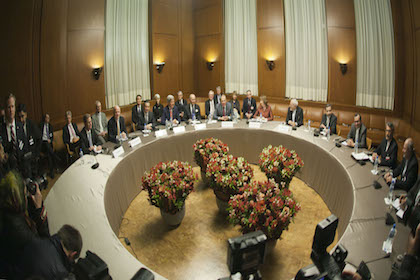
The end of the Iran nuclear journey?

With the EU, Iran, and other entities taking decisive steps on April 2 to ensure a non-nuclear Iran, President Obama must now counter interests in the U.S. that want to stymie the final agreement. But having come this far, and considering the comprehensive benefits of an agreement, all sides are sure to deliver

picstitch (5) Courtesy: Wikimedia commons
19 March 2015

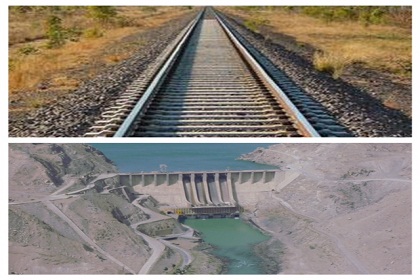
Assessing India’s infrastructure aid diplomacy

With the Modi government’s focus on improving neighbourhood relations, India cannot afford delays in its aid projects in the region—especially because aid is an effective foreign policy instrument. Why are these projects getting delayed? Is the government taking remedial steps to improve India’s aid programme?

Nuclear plant_2 Courtesy: indilens.com
30 January 2015

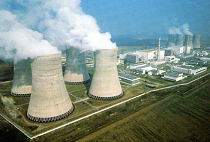
Decoding the nuclear deal for business

The India-U.S. nuclear agreement represents a $17 billion opportunity for Indian business. It will also help India secure fuel for its indigenous reactors, and contribute to cheap and plentiful energy. But a major concern remains—will these projects be efficiently executed?

ONGC with Rosneft Courtesy: RIA-Novosti, Mikhail Klimentyev, Presidential Press Service
16 January 2015

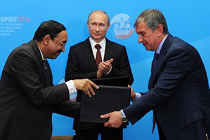
Should ONGC buy Rosneft?

A fall in oil prices has pushed down the values of oil companies globally, giving India a rare chance to acquire assets cheap and hedge its economy against future increases in energy prices. There are plenty of plum assets to pick from—such as Rosneft, the state-owned Russian oil major

Petrol Pump_delhi Courtesy: http://photodivision.gov.in/
4 December 2014

Why oil won’t worry India in 2015

Last week, petroleum prices reached a five-year low, and the fall is likely to last as new production and alternative sources enter the market. India, which has a huge petroleum products bill, now has a chance to shock-proof its economy, diversify dependence away from West Asia, and become energy-efficient