The Unwanted Wars
Countries in the Middle East, such as Iran, Israel or Saudi Arabia, do not want a military confrontation. Yet, current circumstances conduce to the breaking out of just such a war

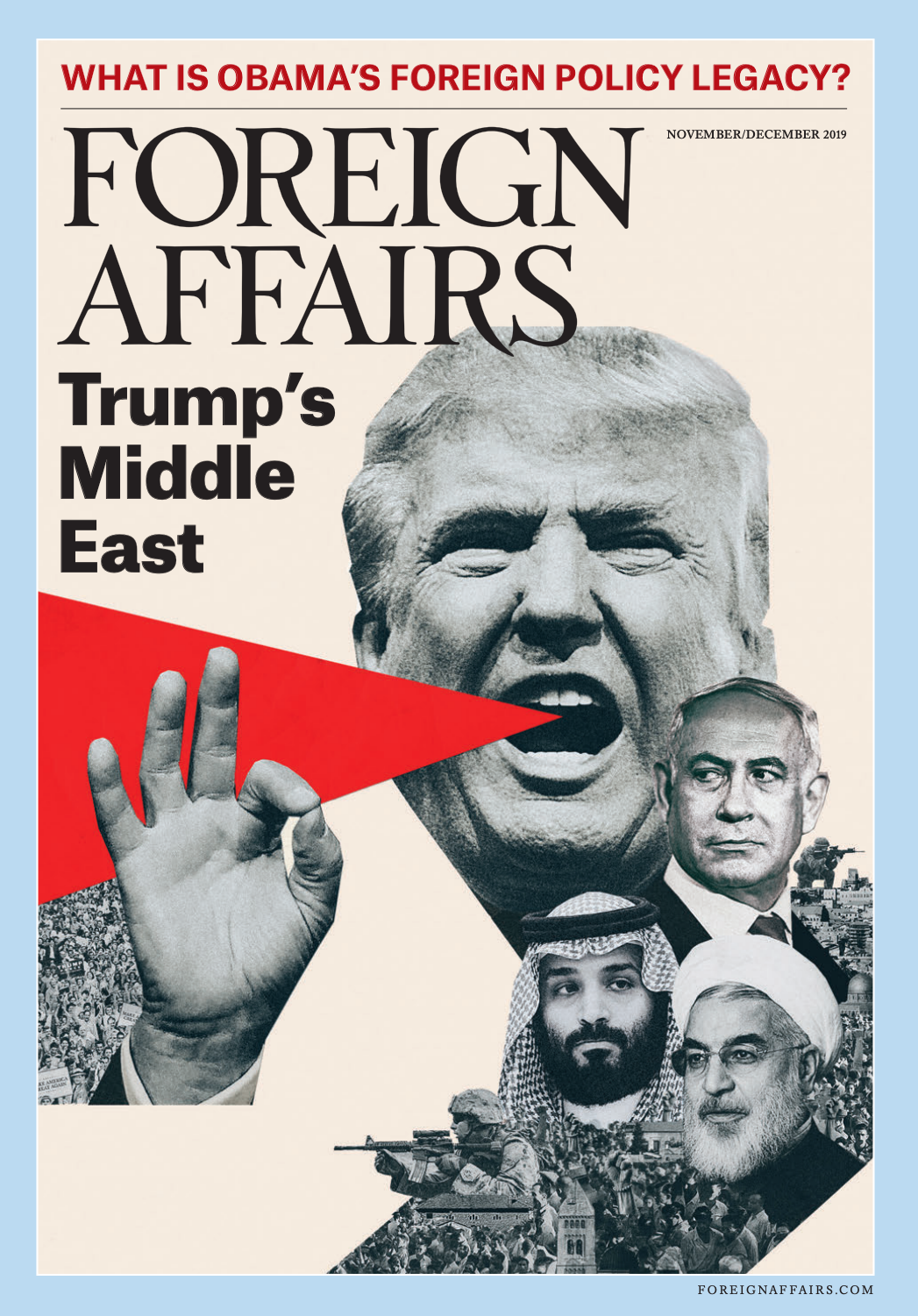 Courtesy: Foreign Affairs
Countries in the Middle East, such as Iran, Israel or Saudi Arabia, do not want a military confrontation. Yet, current circumstances conduce to the breaking out of just such a war
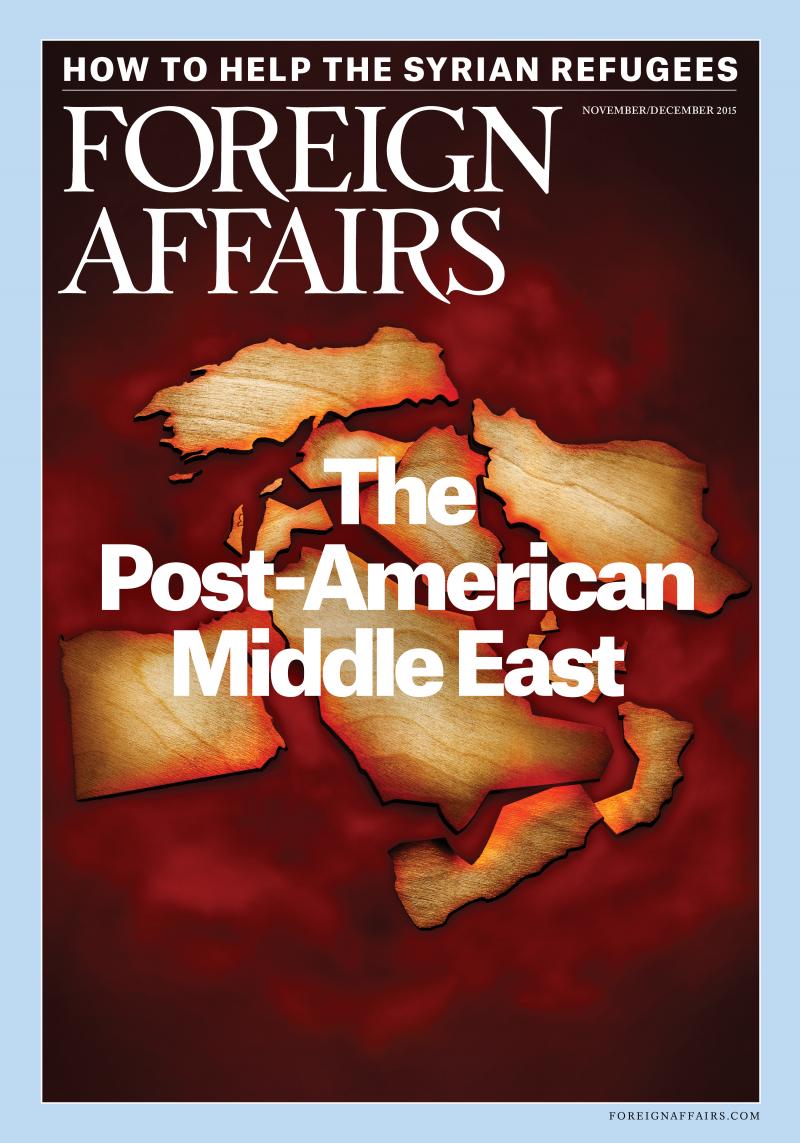 Courtesy: Foreign Affairs
As Iran enters its new economic status quo, the question arises as to whether the nation will realise its potential by opening itself up to the world, or whether the elite will stifle global engagement.
 Courtesy: Foreign Affairs
A decade ago, the U.S. immersed itself in the greater Middle East with its wars on Afghanistan and Iraq. Will the current economic scenario force it to turn away from this region?
 Courtesy: Foreign Affairs
The U.S. has continually been trying to coerce Iran into giving up its nuclear program for years now, but with little success. What should Washington do to avoid both military action, and deterrence?
 Courtesy: Foreign Affairs
The Western sanctions imposed on Iran to force it to abandon its nuclear programme have succeeded in bringing Tehran back to the negotiating table, but they are a tactic, not a strategy. Any long-term policy has to aim for a democratic Iran.
 Courtesy: PMO
Over the past thirty years, the U.S. and Iran have been at odds over Iran's alleged nuclear weapons programme. India too has a large stake with both countries - with the U.S. as a strategic partner and Iran for its oil imports - and resolving this conundrum will require some creative diplomacy.
 Courtesy: Maher27777/Wikipedia
What are the implications of the political unrest in the Middle East and North Africa on the global oil market?