Oil@50: India needs to speed up
India needs to act faster to ensure it continues to get energy at an affordable price. The oil price increase to $50 per barrel shows there is a limited window of time to act.

 Courtesy: Pixabay
India needs to act faster to ensure it continues to get energy at an affordable price. The oil price increase to $50 per barrel shows there is a limited window of time to act.
 Courtesy: Wikipedia
Relatively low fossil fuel prices have created a favourable climate for the Modi government to secure India’s growing energy needs in a sustainable manner and at fair prices. The government should also encourage locally-built wind and nuclear options to secure India’s long-term needs.
 Courtesy: Wikipedia
The U.S. and Canada offer an opportunity for India to acquire large scale oil and gas fields in politically stable countries at a low price. A financial investment in energy companies will protect India against a rise in energy prices without raising concerns in host countries.
 Courtesy: Whitehouse.gov
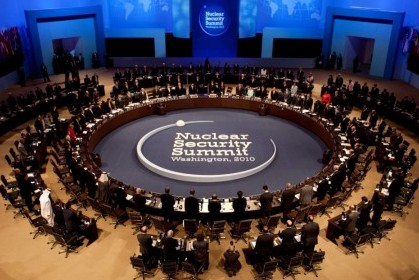
Once the fourth and final global Nuclear Security Summit is held this week in Washington, D.C., the challenge will primarily be for bureaucrats to continue working and keep leaders engaged on nuclear security. Inertia on this issue, especially when there is growing intelligence on security breaches, could be deadly.
 Courtesy: Wikipedia
After the recent WTO ruling against India on the issue of local content of solar panels, India must revise its renewable energy strategy in favour of wind power. Instead of imported solar panels, India’s renewable capacities can use locally-manufactured windmills.
 Courtesy: Wikipedia
The WTO judgment on the India-U.S. dispute on solar panels shows how rules across different international regimes – climate change, trade and nuclear power – favor the countries which set those rules. India must deepen its participation in such multilateral fora to protect its interests.
 Courtesy: Wikimedia
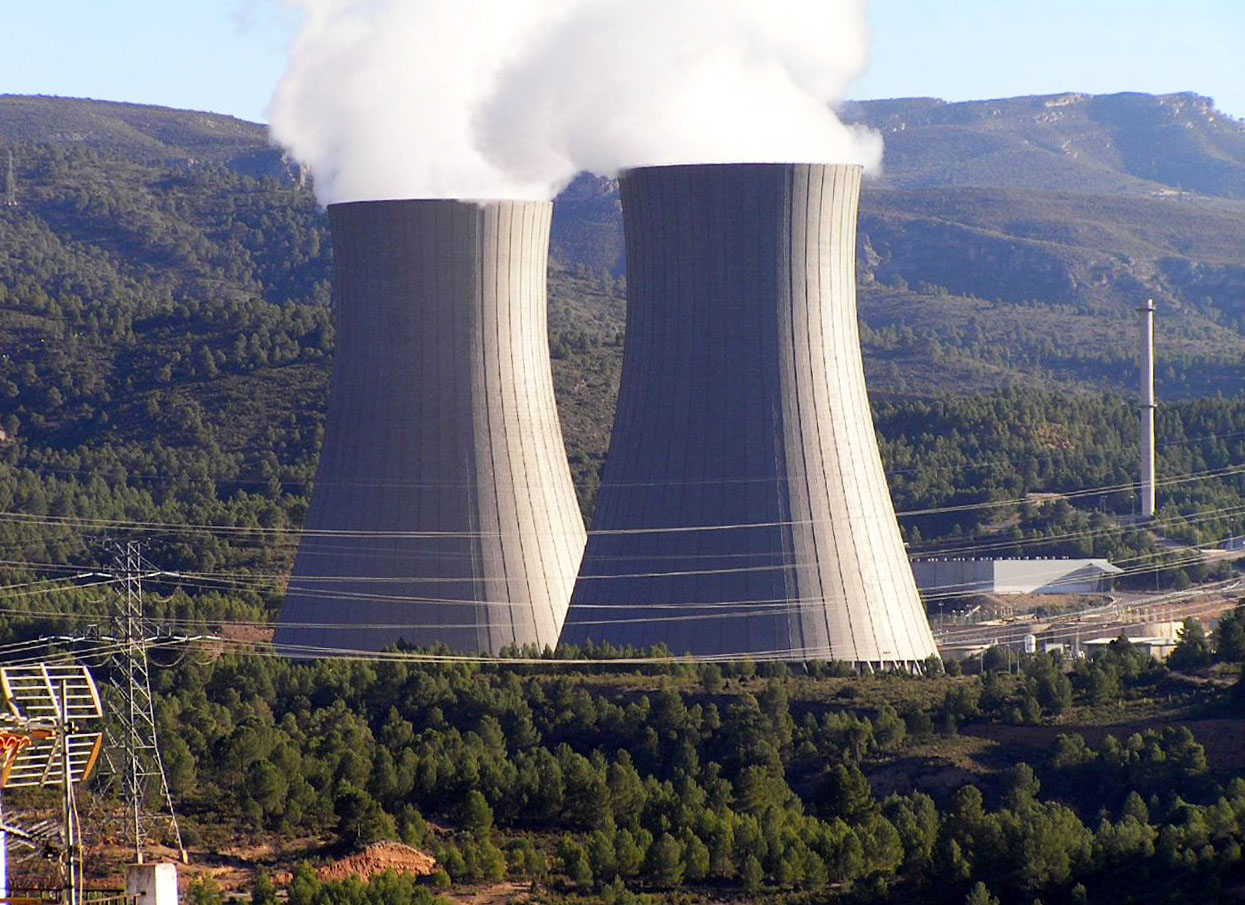
India’s recent ratification of the nuclear liability convention is being portrayed as a dilution of India’s stand on civil nuclear liability and its own 2010 law on the subject. This is, however, incorrect, and India’s stand on nuclear liability remains unchanged.
 Courtesy: Wikipedia
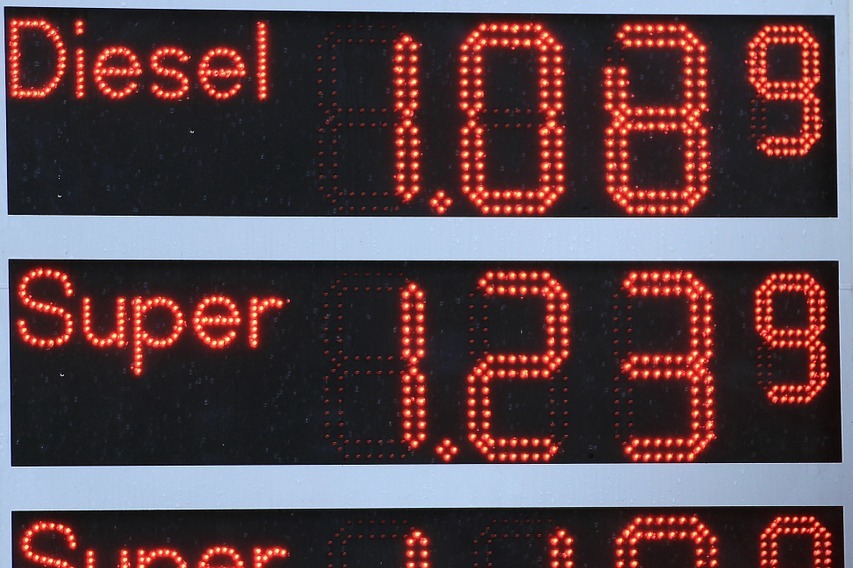
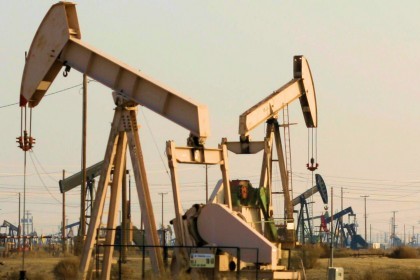
The common Indian complaint is that, despite a global trend of falling crude oil prices, the price of petrol has not reduced. However, if the dollar price is examined with the price of oil, it becomes clear that Indians are paying less for fuel now than they would have, had the 2003 pricing trend continued.
 Courtesy: flickr
India could save $80 billion annually if oil prices stay at the current 12-year low. Policy-makers must use this opportunity to lock-in energy prices for the long-term. Financial markets, through futures and options, offer a way to make these savings permanent, and the Ministry of Finance must formulate ground rules for hedging.
 Courtesy: Wikipedia
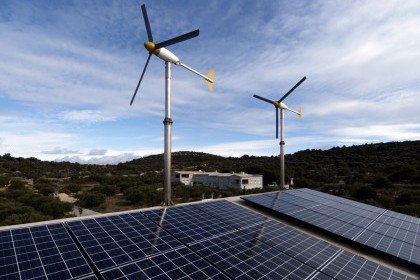
Village-scale solar powered minigrids are the most promising path for India to meet its linked aims of GDP growth and access to electricity for all. The Ministry of New and Renewable Energy is already active on this front, but a comprehensive and standardised national minigrid policy that facilitates private sector involvement and eases financing, will allow this model to flourish