Mauricio D. Aceves is an advisor for security and border issues at STRATOP Risk Consulting, a Mexican Council on Foreign Relations member, and an analyst on contemporary Middle East and Central Asia issues.
The arc of revolutions has two acts: rupture - upending the status quo - and the craft of repair. Often, the second is as hard as the first. Today's Pax Fragilis in Gaza is narrow, given the continuing humanitarian crisis, regional reactiveness, limited scope of de-escalation channels, multiple actors' motivations for a permanent ceasefire, and the capabilities of Israel and Palestine to build a pathway with certainty.
Egypt sits at the intersection of three continents and two seas, and its foreign policy is a geographic, historic and strategic consequence. From Tripoli to Kortum, Addis Ababa to Brussels, New Delhi to Moscow, Beijing to Washington, Cairo employs diplomacy as a key national security tool, positioning itself as a cornerstone of geopolitical stability within an increasingly multipolar world.
Iranian foreign policy must move toward strategic autonomy and internal concord. As witnessed after the 1988 ceasefire with Iraq, such moments can mark an inflexion point - one that prioritises national reconstruction, resilience, and welfare; strategic recalibration, strengthening of confidence, and finding a geopolitical identity. Iran has been there before, and can apply those experiences again.
Presidential visits abroad are high-level instruments of statecraft and, more often than not, signals of geopolitical priorities. The recent visit of U.S. President Donald Trump to the United Arab Emirates, Saudi Arabia, and Qatar, exemplified this, indicating the administration's policy orientation.
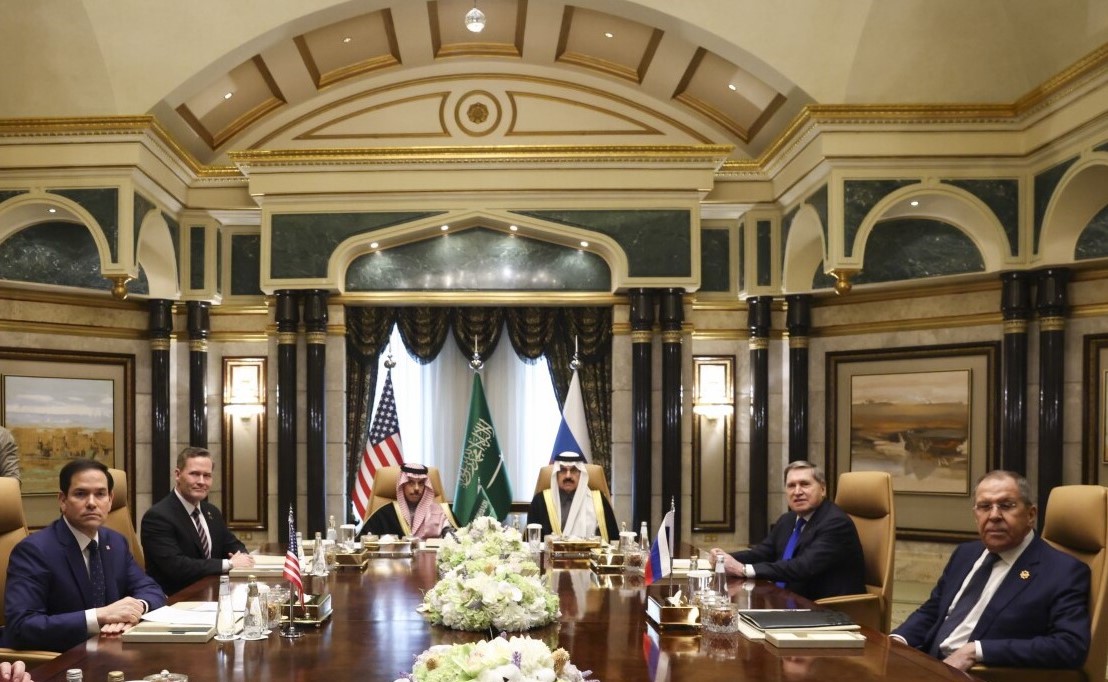
Saudi Arabia has been the new centre for mediation between warring states and their sponsors. It reflects the shifting dynamics in an increasingly multipolar world and the redefinition of power structures. This role has extended to other Gulf states, which have strategically positioned themselves as neutral players, leveraging their strong relations with the great powers, and adopted culturally sensitive to consensus-building.
The lessons of 2024 are a compass for navigating geopolitical currents in 2025. Global conflicts have doubled over five years and ever-changing realities are challenging traditional foresight. With several elections due regionally this year, political fissures within and new foreign diplomacy without, will make the Latin American path one of hard decisions.
Donald Trump has re-entered Washington with the backing of a solid political base, a redefined Republican Party, and a more seasoned presence on the international stage, including in the Middle East. Since his last imprint on that region in 2016, 2024 presents significant shifts: alliances redefined, regional power dynamics realigned, trade networks transformed, and urgent security challenges restructured. These changes demand strategic recalibration from all stakeholders.
The Maritime Silk Road, the Belt and Road Initiative, and a sizeable catalogue of agreements with actors from Kabul to Tel-Aviv have been the basis for the growing presence of China spanning the military, diplomatic, economic, and political spheres in the Middle East.
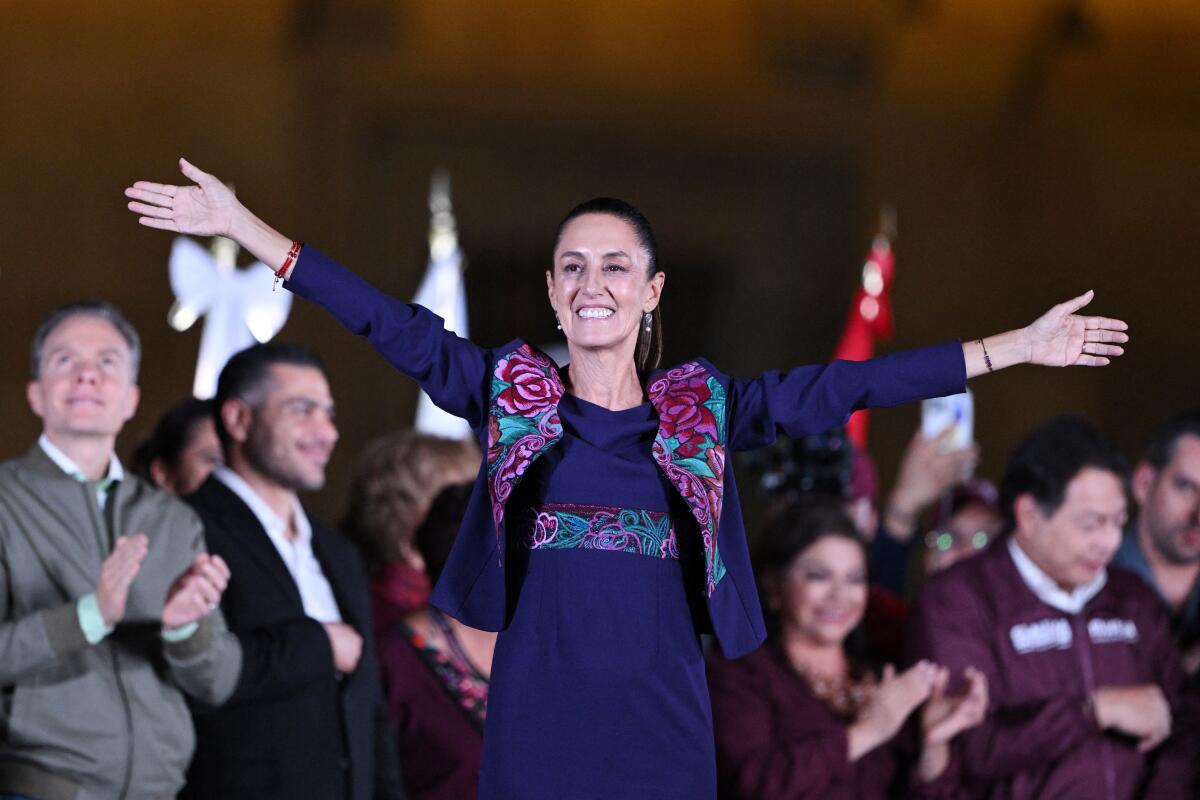
On June 3, Claudia Sheinbaum made history by becoming the first woman elected President of Mexico. In terms of foreign policy and carving a geopolitical identity, this marks the beginning of a new stage of Mexican integration into the global agenda. It provides another dimension for international stability, including a revitalized Mexican perspective of the Middle East.
Grey zones have blurred the frontiers of conflict and peace worldwide, creating ambiguous wars of complex scenarios and labyrinths that have transformed strategic foresight and the international and national security landscape. In these arenas, multiple options are available, where regional powers' ascertainments converge with the poker game of political, diplomatic, economic, and military interests, as well as the operations of state and non-state actors.