Prime Minister Narendra Modi’s visit to Japan is significant for India domestically and its extended Asian influence. His visit, just prior to the SCO Summit in China, represents a shrewd endeavour at balancing the several priorities of Indian foreign policy
The G20’s current cycle is unique, with four Global South nations presiding consecutively: Indonesia, India, Brazil, and now South Africa. Brazil’s 2023-24 presidency exhibited both achievements and struggles, prioritising social inclusion, hunger, energy transition, and governance reform. The handover to South Africa marks a significant milestone in G20 history. Will the momentum be followed by the U.S., the next G20 president but also a G20 sceptic?
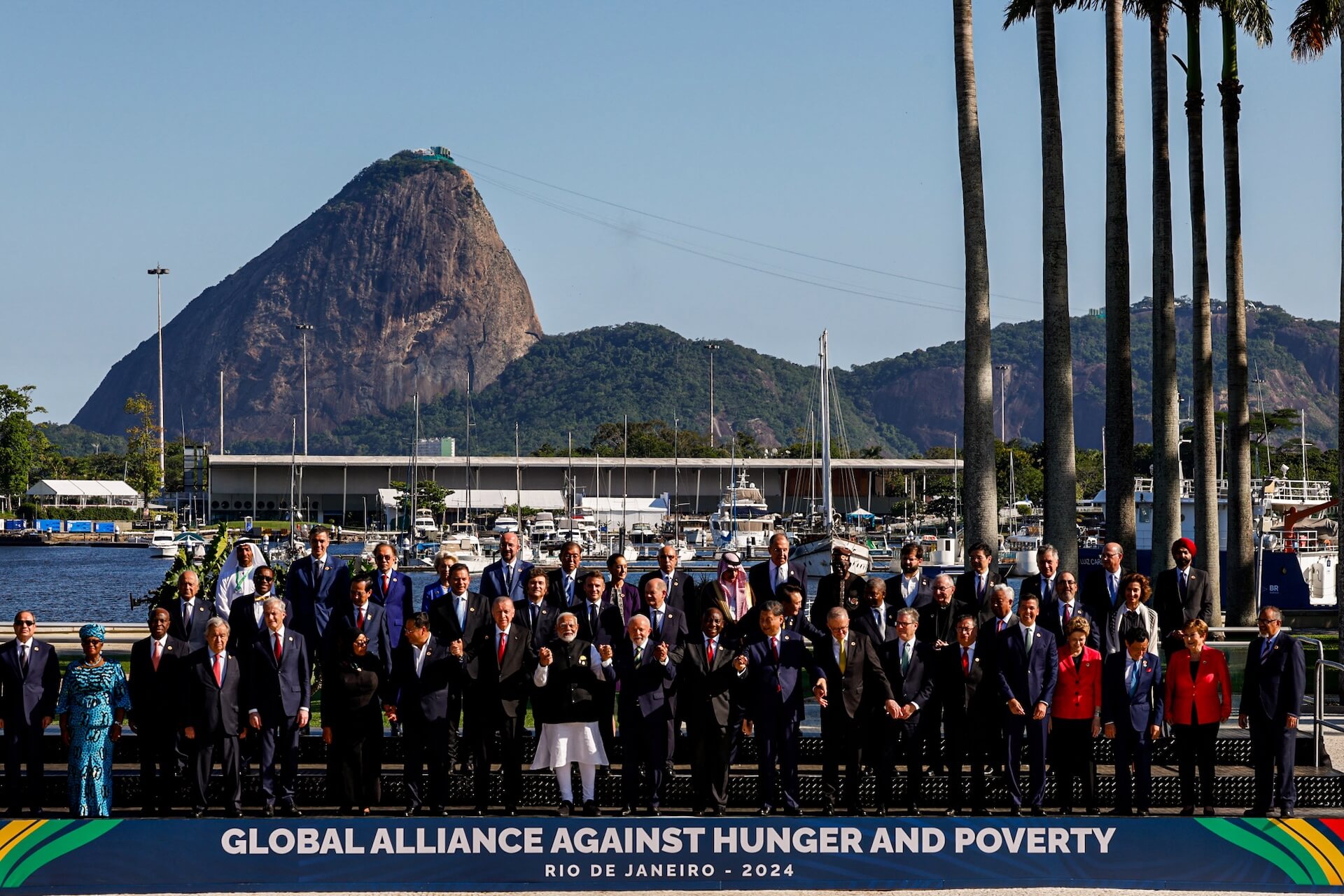
The G20 Leaders' Summit, held in Brazil on November 18-19, focused on advancing climate action, addressing hunger and poverty, and global governance reform. Along with welcoming the African Union as a full member, it balanced continuity with innovation and highlighted the forum's role in creating and pushing multilateral solutions to pressing global challenges.
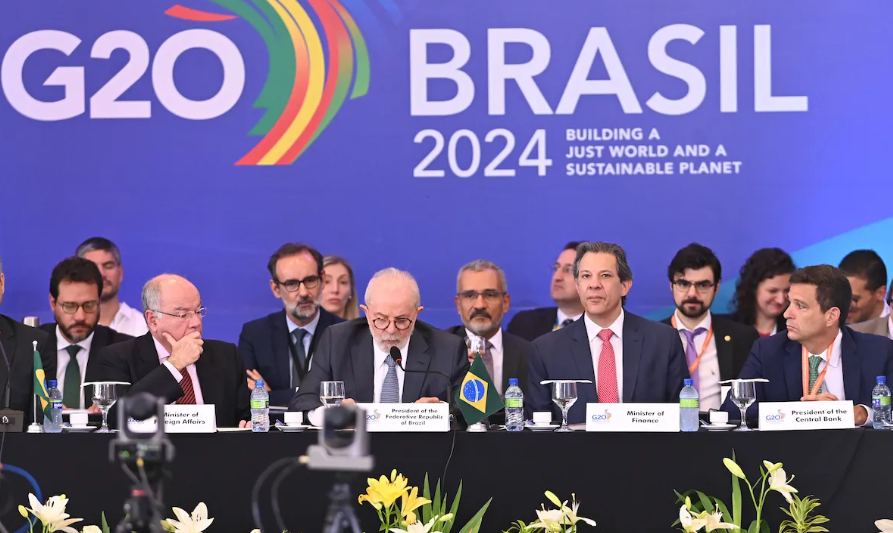
It is three months into Brazil’s G20 presidency, and the country is working hard on its agenda of prioritising energy transitions, reform of global governance and social inclusion. These will flow well into Brazil’s chairing of two other multilateral events in 2025 — BRICS and the COP30. Carlos Frederico de Souza Coelho, Senior Fellow at the BRICS Policy Center, talks about Brazil’s G20 agenda, its intention to advance India’s G20 efforts for global development, and what to expect from his country’s COP30 and BRICS presidencies.