Regional impact of U.S.-Taliban deal
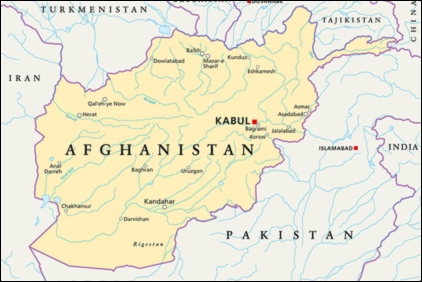
The U.S.-Taliban deal of 29 Feb favours some and disadvantages others in the region. This infographic shows how regional geopolitics will change

 Courtesy: Shutterstock
The U.S.-Taliban deal of 29 Feb favours some and disadvantages others in the region. This infographic shows how regional geopolitics will change
 Courtesy: Sage Publishing
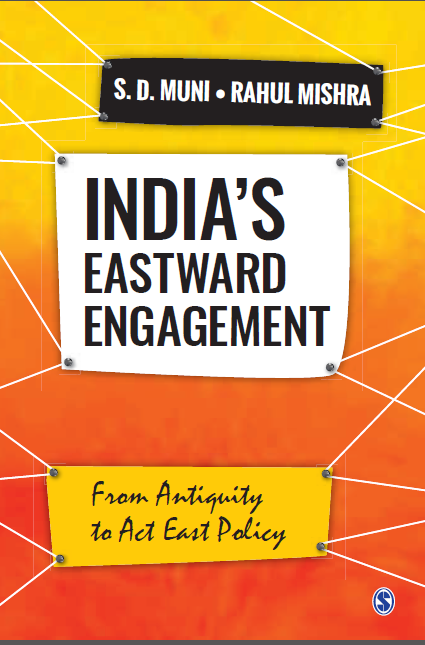
This book offers a bird’s-eye view of India’s strivings to forge close relations with the East, but covering a vast region and swathe of history has inherent drawbacks. The result is a haphazard narrative, focusing more on the contemporary period and lacking in insight or analysis
 Courtesy: Gateway House
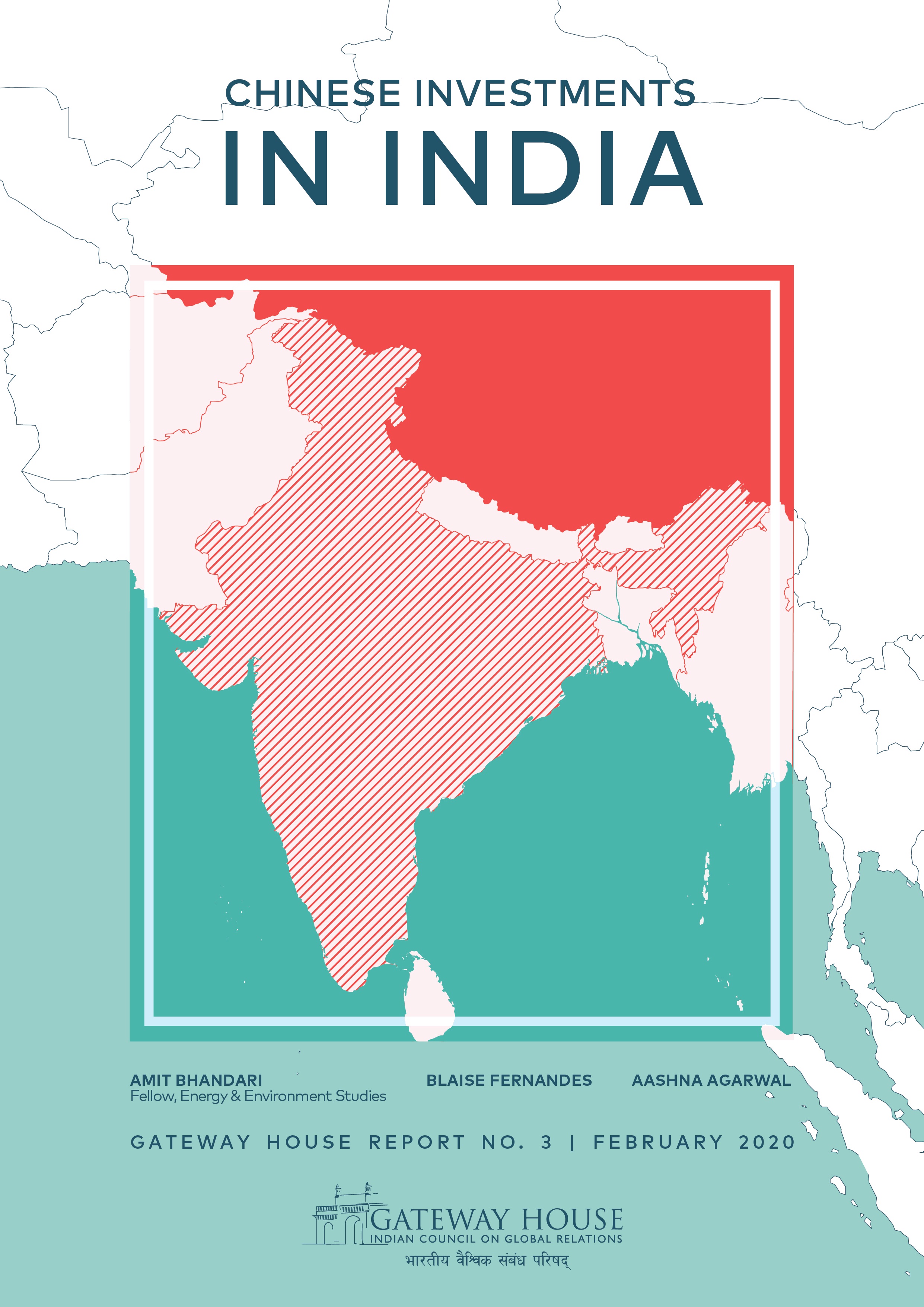
Over the last five years, China has quietly created a significant place for itself in India – in the technology domain. While India has refused to sign on to China's Belt and Road Initiative (BRI), this report shows India's positioning in the virtual BRI to be strategically invaluable for China. Nearly $4 billion in venture investments in start-ups, the online ecosystem and apps have been made by Chinese entities. This is just the beginning; there is more to come.
 Courtesy: Shutterstock
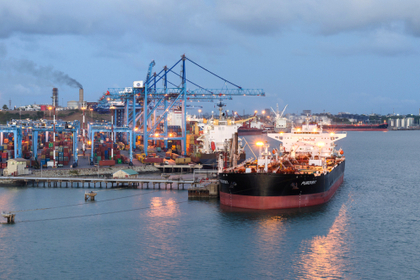
Kenya’s Mombasa port, the gateway to East and Central Africa, has enabled the Chinese to gain better access to resources in the region and export destinations within Africa through the Belt and Road Initiative. A recent visit offered insights into some of the shortcomings of increasing Chinese investments in the region – and the scope for other countries to step in
 Courtesy: Gateway House
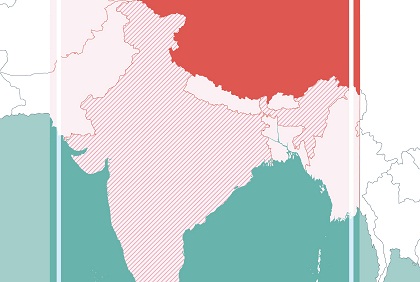
Over the last five years, China has quietly created a significant place for itself in India – in the technology domain. While India has refused to sign on to China's Belt and Road Initiative (BRI), this map shows India's positioning in the virtual BRI to be strategically invaluable for China. Nearly $4 billion in venture investments in start-ups, the online ecosystem and apps have been made by Chinese entities. This is just the beginning; there is much more to come.
 Courtesy: MEA/Flickr
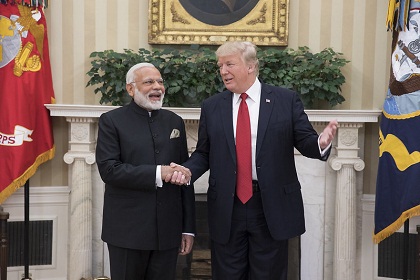
In the run-up to President Trump’s visit to India on 24-25 February 2020, Ambassador Neelam Deo, Director and Co-founder of Gateway House, discusses in this interview how he has made balanced trade a global issue, but given substance to the India-U.S. defence bilateral, sharpening the concept of the Indo-Pacific and the Quad’s profile
 Courtesy: Shutterstock
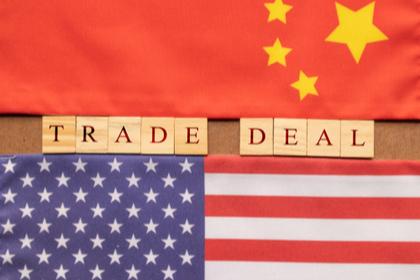
The U.S.-China Trade Agreement, concluded on 15 January 2020, was the result of a trade war. It is limited to agriculture, mainly, and select service sectors of American interest, with provisions designed to prevent imbalances and distortions
 Courtesy: Shutterstock
China’s clean-up of its cities and its success in improving urban air quality hold important lessons for India. But the outbreak of the corona virus and reports that news about it was initially suppressed tell a different story. While physical infrastructure is important, equally vital are a free media and an open society, where people are not afraid to speak
 Courtesy: The Hindu/Handout
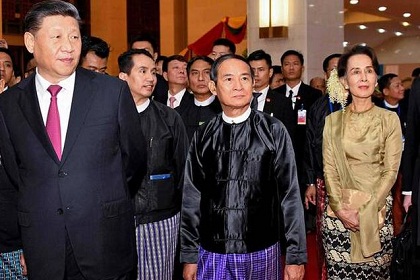
Chinese president Xi Jinping’s visit to Myanmar on January 17 highlighted the economic aspect of the two countries’ bilateral relationship. China has been Myanmar’s top partner for years. But more than the 33 agreements signed, the visit threw light on the region’s changing geopolitics and Myanmar’s own compulsions in growing closer to China
 Courtesy: Shutterstock
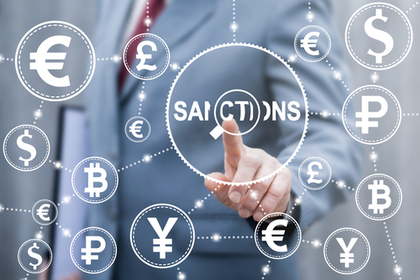
Sanctions, a form of imposing control and pressure, traditionally focused on countering nuclear proliferation and trade-related disputes. Recently countries have expanded their scope and impact by using them as potent tool of warfare