Website articles  (4) Courtesy: Indian Embassy in Moscow / FB
30 October 2025

India in Russia’s polycentric world order

The Valdai 2025 conference’s single confirmation was this: Russia believes the post-Western world is already functioning. It is no longer seeking to re-enter Western-led institutions; it is building around them. The polycentric world is like a network, not a hierarchy. No one needs to choose a camp.

Koerber Stiftung (3) Courtesy: Getty
16 October 2025

Labour Corridors: India-Russia’s Next Bet

The labour movement in the India-Russia corridor is a new element in the bilateral. It is already visible in the Delhi–Moscow flights. The usual students and tourists now share the cabin with welders, salon workers, and builders, many on their first overseas assignment. The trend signals a shift in Russia’s migration geography and opens a corridor linking India’s skill base with Russia’s industrial demand.

President of Russia Courtesy: President of Russia
2 October 2025

Valdai frames Russia’s global doctrine

Each autumn, Russia convenes its flagship Annual Summit — a gathering of global leaders, business elites and intellectuals. Often compared in scale to Davos or Shangri-La, what sets Valdai apart is President Vladimir Putin’s extended, unscripted dialogue with the audience. Over the years, India has moved to the centre of this dialogue, reflecting its strategic weight and offering rare insight into Moscow’s evolving worldview.

VOA Courtesy: VOA
2 October 2025

Time to re-burnish Global South credentials

The year 2025 is often compared to the Bandung moment of 1955, and for good reason. With the U.S. reordering traditional relationships, the opportunity for greater emphasis on the Global South is now. It is therefore time for India, Africa and ASEAN among others to re-burnish their Global South credentials and use that identity as a platform to engage each other more deeply.

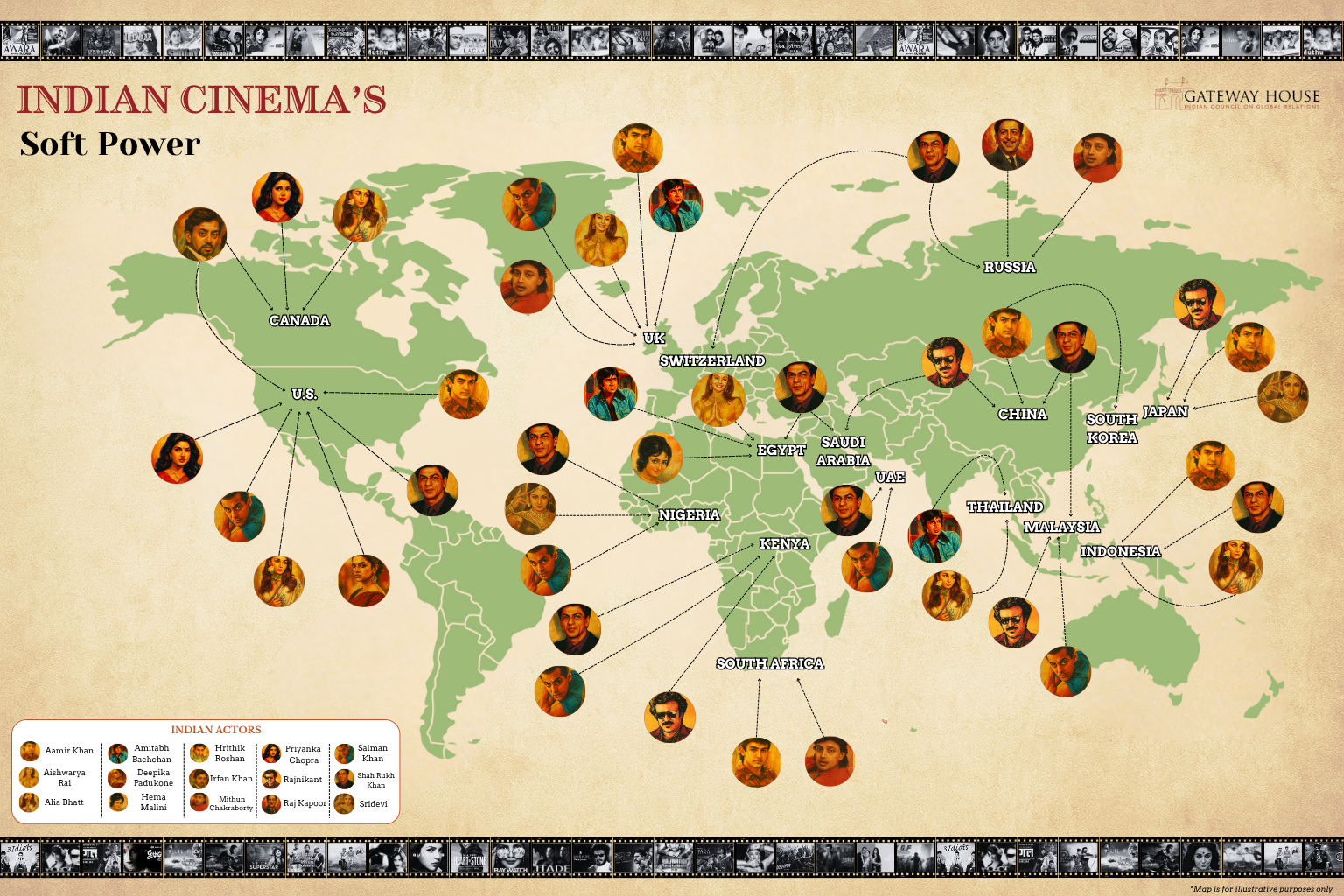
Most popular Indian actors worldwide Courtesy: Gateway House
1 October 2025

Indian Cinema as Economic Catalyst

As India seeks leadership in a multipolar world, cultural credibility is as vital as economic clout. Cinema gives India an edge with vivid storytelling, music, and empowering narratives, fostering understanding in a polarised world. Its popularity correlates with trade, as seen in the U.S., Russia, and Middle East. The more popular the cinema, the bigger the boost to trade.

task force cover 420 Courtesy: Gateway House
16 February 2023

G20 Energy Transitions and Climate Finance Task Force Report

Significant progress has been made globally in adopting green energy. Technological advances, easier availability of capital and regulatory measures have helped. But progress is likely to slow due to the shocks caused by Covid-19 and the Ukraine crisis. How to continue the green transition whilst ensuring that lower-income countries have access to affordable energy? This Task Force offers recommendations for India’s G20 Presidency.

BigTech Report (1) Courtesy: Gateway House
1 July 2021

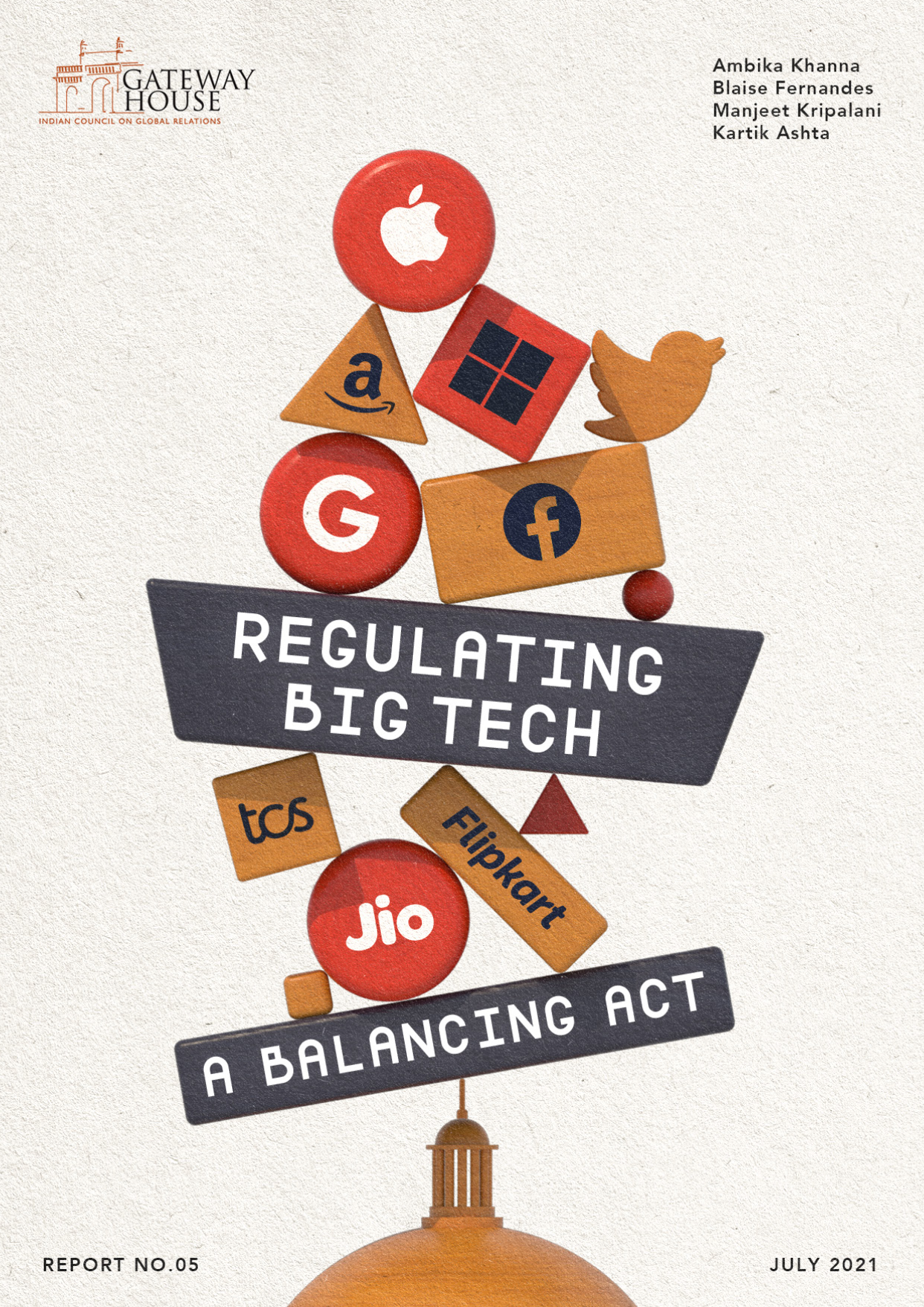
Regulating Big Tech: A Balancing Act

Big Tech is powerful and its profits are growing - by 105% over the last year. It dominates economies. This raises concerns about data protection and privacy, anti-trust, fintech and the specific role of intermediaries. India is leading the way on fintech, but is behind several countries and institutions on digital rules. It is important to establish laws and rules to govern technology – whether domestic or through multilateral bodies – with the aim to strike the right balance between innovation and regulation.

shutterstock_1091235845 Courtesy: Shutterstock
15 October 2020

UN: Necessary but reformed

The UN turned 75 this year but instead of grand celebrations, the world witnessed an empty UNGA with world leaders addressing it via video screening because of the pandemic. The UN is under unprecedented stress and being shown up for its inability to tackle the challenges of today like the pandemics, climate change, terrorism or global peace and security. The institution's key governing structures, especially the UN Security Council, are inadequate and demand reform. India must now use gritty resolve to ensure its place in these governing structures.

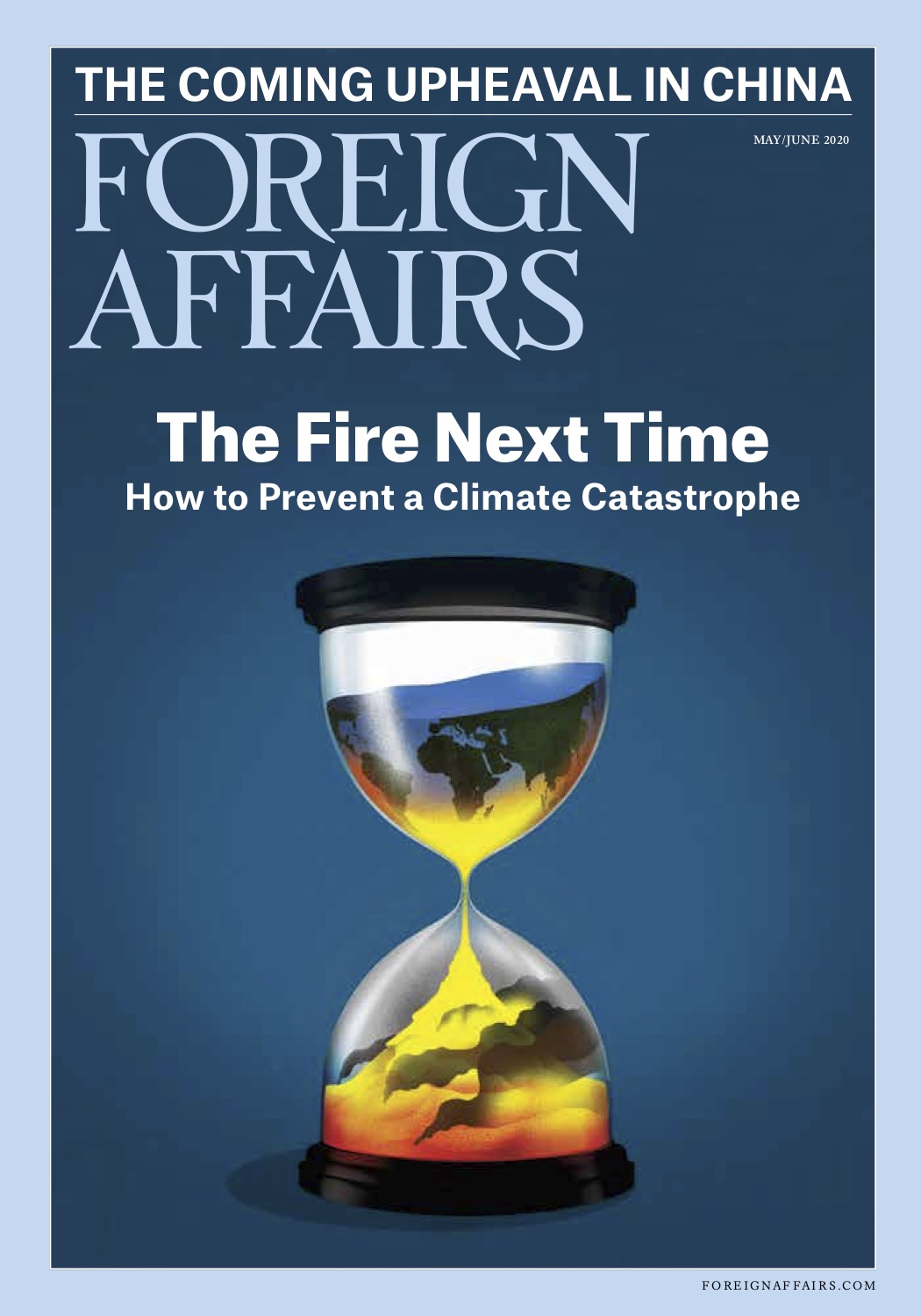
00_fa_mj2020_cover Courtesy: Foreign Affairs
27 April 2020

China’s Coming Upheaval

The U.S.-China relationship, which has wavered between cooperation and competition, has, over the past few years, veered more sharply towards confrontation – possibly because of China’s own more assertive stance. Now, Beijing’s confidence is under test, not only by these fractious relations, but also COVID-19 and an economic slowdown. Will these factors reveal its weaknesses?

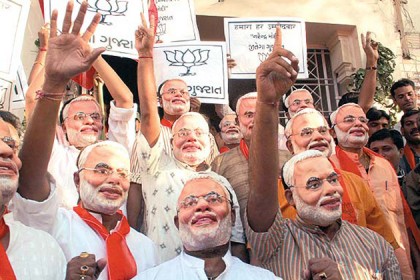
modi_nationalism Courtesy: Narendramodi.in
26 May 2016

Has nationalism made a global comeback?

Narendra Modi’s landslide victory in India's 2014 general elections, despite his hardline nationalist image, was viewed as a localised phenomenon. But two years later, voters across the world from Europe to Philippines seem to be tilting towards leaders with the same nationalist tag.