
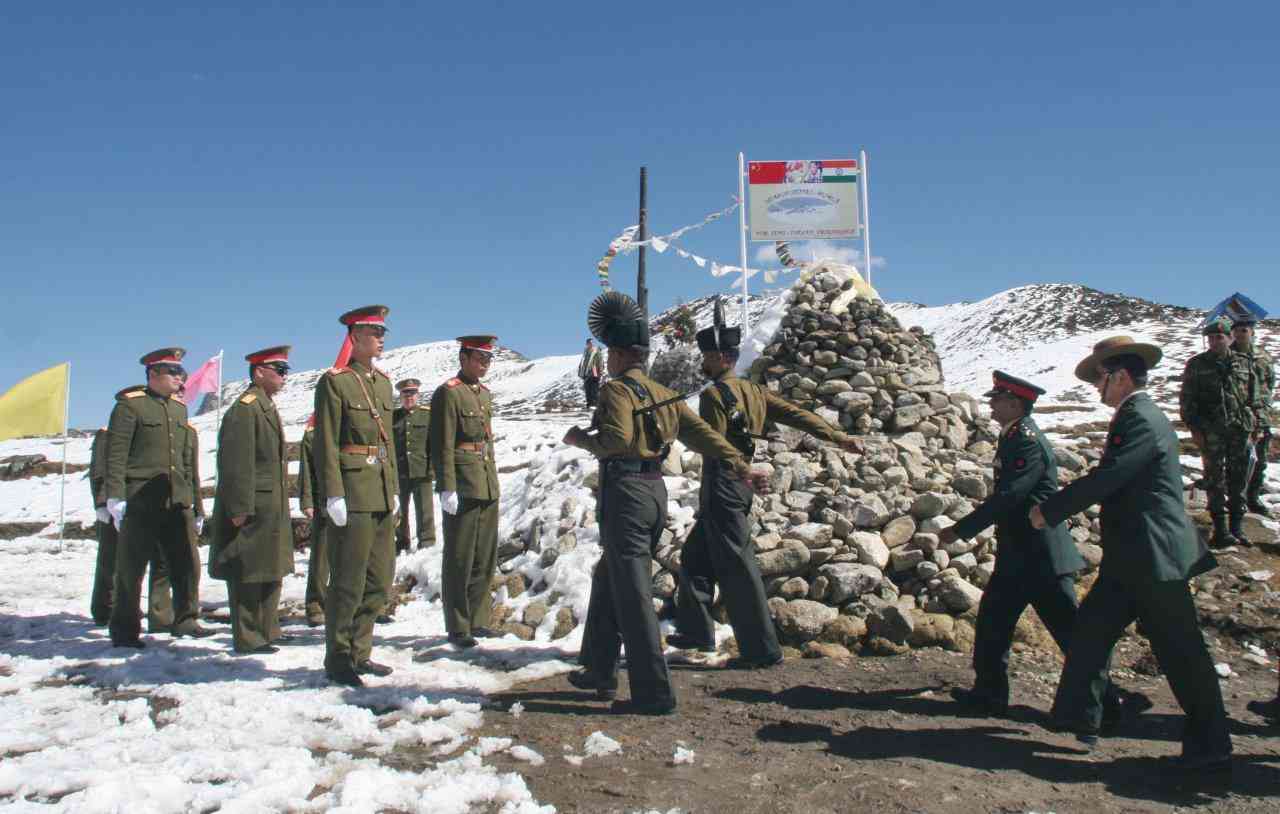
Modi & Xi: war or peace?
In this special episode, Professor M.D. Nalapat joins us to discuss the current border stand-off between India and China, sharing a unique glimpse into the policy psyche of India, China and the United States.

In this special episode, Professor M.D. Nalapat joins us to discuss the current border stand-off between India and China, sharing a unique glimpse into the policy psyche of India, China and the United States.
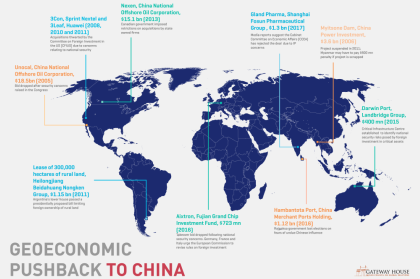 Courtesy: Gateway House
The Indian government may block the acquisition of Gland Pharma by Shanghai Fosun Pharmaceuticals, a move that offers further confirmation of how China’s opaque business model is causing concern worldwide. This infographic shows some high-profile cases of acquisitions by Chinese companies that ran into local opposition
 Courtesy: India Today
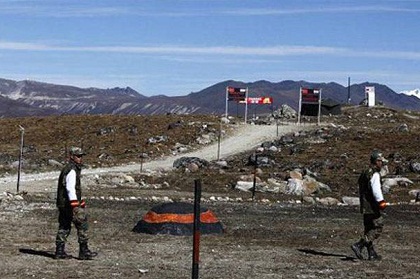
The origin of current India-China hostilities in Bhutan harks back to a colonial era agreement framed in 1890 between the British and the Qing empire on issues related to Tibet and Sikkim. The present standoff is an occasion to revisit many aspects of a relationship that has shown perennial strain
 Courtesy: Google Maps
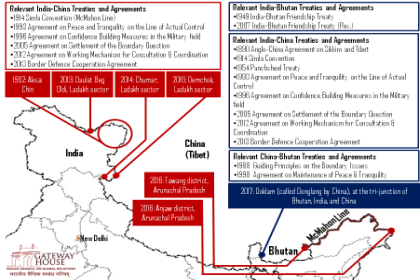
Since mid-June, India and China have been locked in an intense stand-off in the Doklam plateau, at the tri-junction of Bhutan, India, and China. Gateway House chronicles previous border incursions and transgressions by China into India’s territory and mentions relevant treaties and agreements
 Courtesy: MEA/Flickr
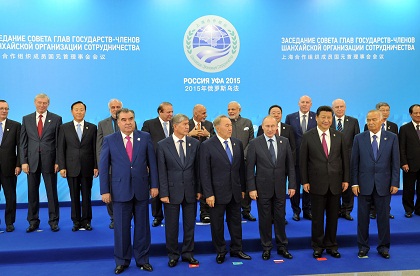
The 17th Summit of the Shanghai Cooperation Organisation is being held in Astana this week at which Prime Ministers Narendra Modi and Nawaz Sharif will be present. But no meeting is likely to take place between them--and even if it does, it will not advance peace between the two countries
 Courtesy: MEA/ Flickr
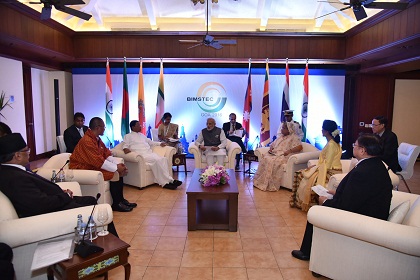
This regional grouping, which was envisioned as a potential bridge between SAARC and ASEAN, turns 20 on June 6. It achieved very little until last year, when efforts to revive its original mission began quite by accident. It has the potential to make greater strides if member states adhere to their commitments.
 Courtesy: Gateway House
This speech was delivered by Rajiv Bhatia, Distinguished Fellow, Foreign Policy Studies, Gateway House and Chair, FICCI Task Force on Blue Economy, at the Indian Ocean Rim Association Senior Officials Meeting in Jakarta
 Courtesy: AFP
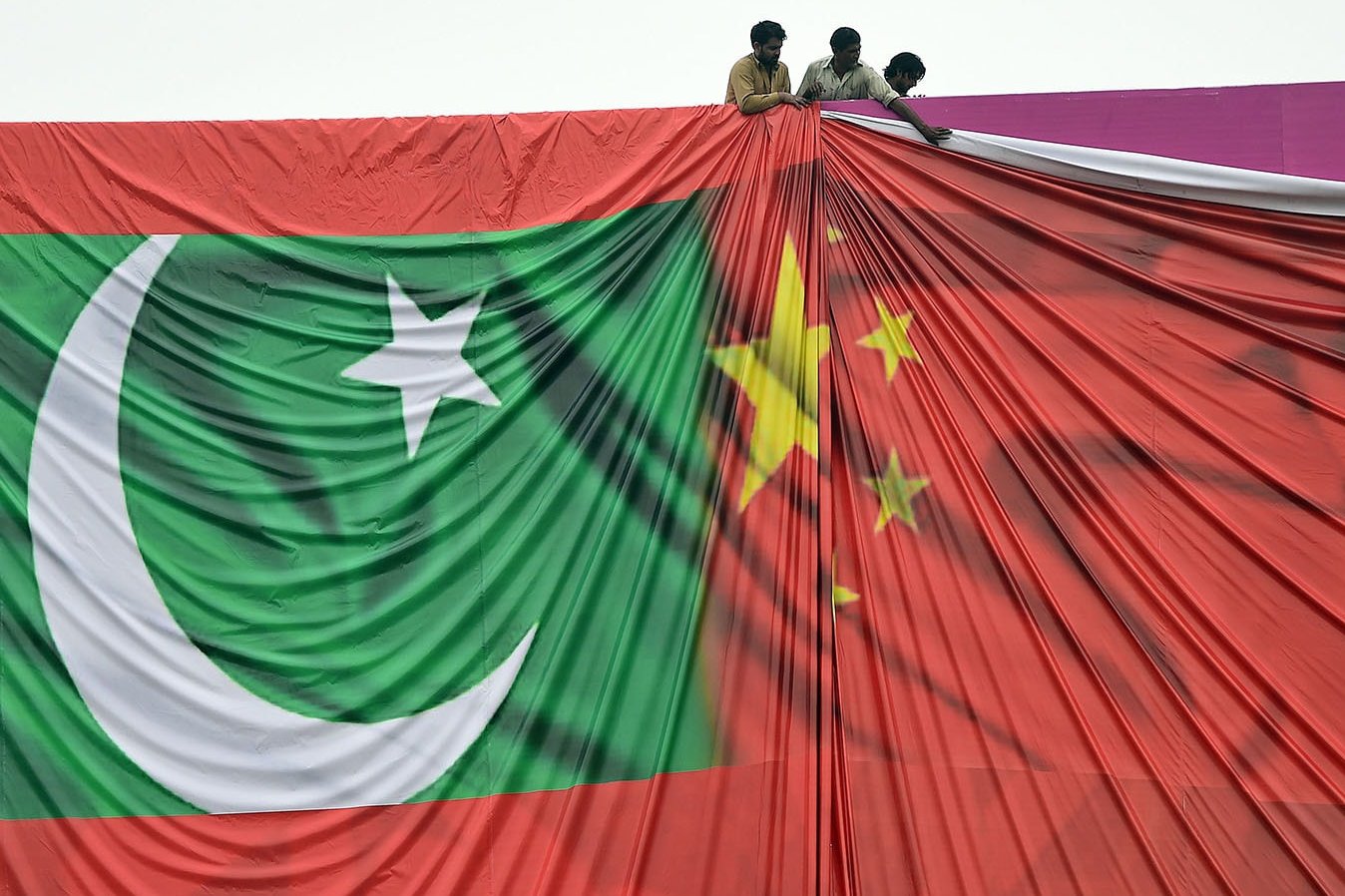
The Indian government must be commended for staying away from the Belt & Road Forum in Beijing this week on the basis of principled objections. However, the forum has robust global participation – 30 heads of state attended the meeting, as did the chiefs of the UN, World Bank and International Monetary Fund (IMF). India was the only country in the world that was invited, but refused to participate
 Courtesy: Selvaraja Rajasegar
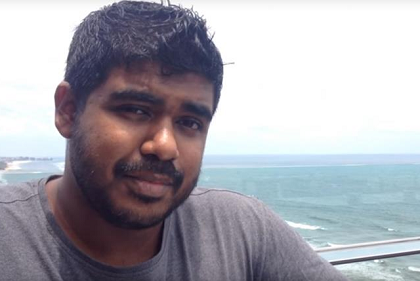
Yameen Rasheed (1988-2017), Gateway House contributor, blogger and activist, was always full of sharp insights about his country’s politics
 Courtesy: MEA/ Flcikr
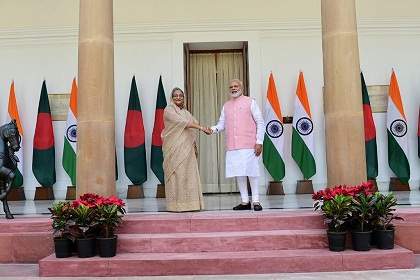
Sheikh Hasina’s visit to India earlier this week produced many tangible outcomes, but left some thorny issues unresolved, which may test the two nations’ political and diplomatic capabilities