China in IOR: ‘peaceful rise’ no more
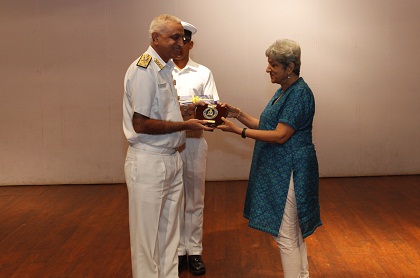
China has expanded its presence in the Indian Ocean Region. President Xi Jinping has abandoned Deng Xiaoping’s conciliatory posture for an aggressive, money-fuelled search for super power status

 Courtesy: Western Naval Command
China has expanded its presence in the Indian Ocean Region. President Xi Jinping has abandoned Deng Xiaoping’s conciliatory posture for an aggressive, money-fuelled search for super power status
 Courtesy: Flickr
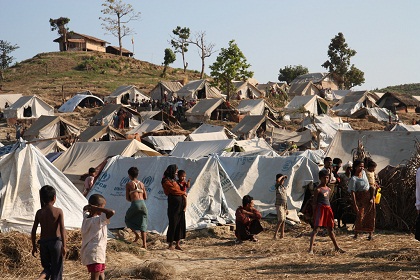
Prime Minister Modi’s visit to Myanmar gave the bilateral a substantive boost, but the exodus of over half a million Rohingya refugees dominated the discourse. India’s response has shown a balancing of compulsions, both humanitarian and strategic
 Courtesy: BBC
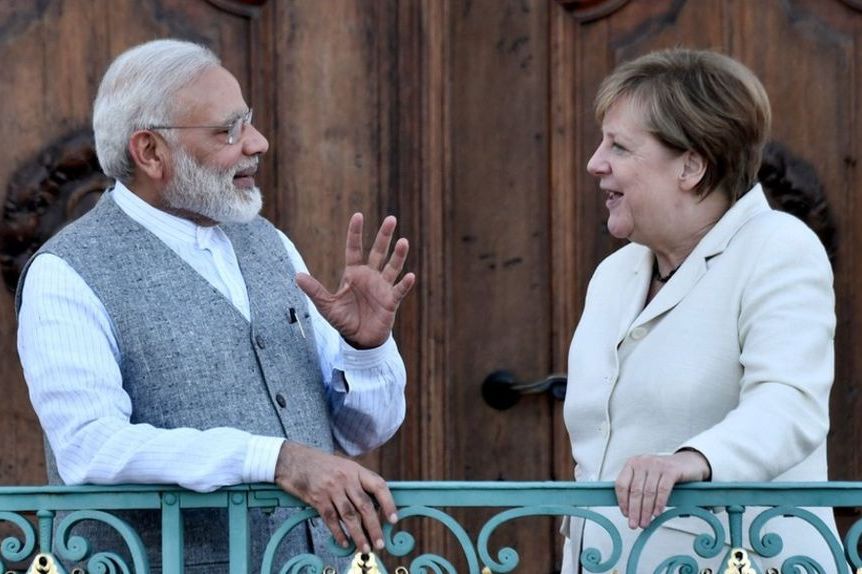
Germany and India have revealed a dual priority for Africa: creating opportunities for prosperity and promoting stability. For both, these are uncharted waters and represents a shift in the locus of global dynamism, away from an Anglo-Saxon world order to a more diverse yet potentially fissiparous one
 Courtesy: Pixabay
The Indian Space Research Organisation’s (ISRO) recently announced intention to visit the planet Venus – the third celestial destination for India after the Moon and Mars – is a significant academic pursuit. But can New Delhi use this opportunity to develop cutting-edge trans-disciplinary technologies and advance its space diplomacy?
 Courtesy: MEA/ Flickr
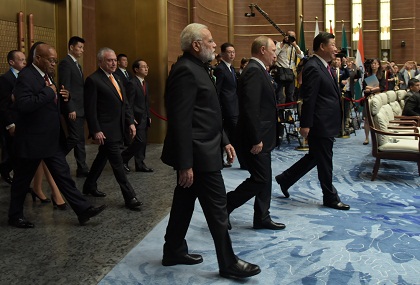
The ninth BRICS summit represented the victory of pragmatism over narrow nationalistic impulses. All BRICS members are likely to craft the grouping’s future script as it enters its second decade, but more crucially, the Big Three will have to show a large dose of statesmanship
 Courtesy: Pinterest
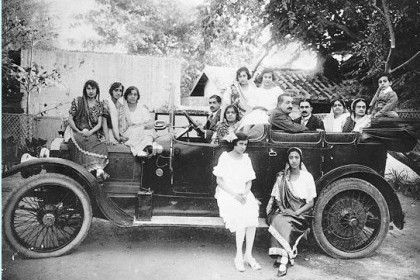
Bombay’s Parsis, Bene-Israel Jews, and Goans settled in Karachi, Lahore and other cities and provinces that the British had annexed since the mid-19th century. The Partition of India in 1947 gave these minority communities the choice to stay or leave. The Bene-Israel left. The Parsis and Goans continue to have a presence in Pakistan
 Courtesy: The Indian Railways Fan Club
The Sikh and Punjabi community of Sion-Koliwada Camp, Mumbai, hailed mostly from the Muslim-majority North West Frontier Province (NWFP), rather than undivided Punjab. They brought to their adopted city – and to India – a rich and varied cultural presence
 Courtesy: MEA/ Flickr
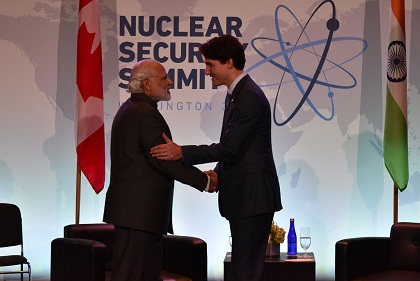
India hardly figures in current discourse on Canadian foreign policy. Yet, the two countries are important to each other: one, a source of investment, technology and energy, the other an attractive market. The current challenge is to conclude negotiations on long-pending trade and investment agreements
 Courtesy: Archive.org
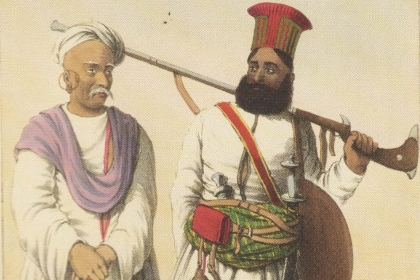
Many of the Hindu Sindhi refugees who fled to India post Partition succeeded in rebuilding their lives afresh, their native entrepreneurial spirit enabling them to rise up from the destitution that displacement caused. Ulhasnagar, Thane district, which was a refugee camp 70 years ago, is a microcosm of how the community rehabilitated itself--with the help of a well dispersed and generous Sindhi trading network
 Courtesy: Reuters
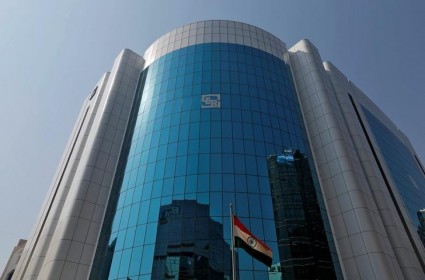
India’s equity markets are a success story in the country’s 70th year of independence, and there are two prominent state institutions responsible for this, the Securities and Exchange Board of India and the National Stock Exchange. SEBI has played an extraordinary role in bringing in market efficiency, but as the equity market regulator, it must have the corporate surveillance function as well