India Myanmar Courtesy: MEA / Flickr
3 November 2015

Myanmar votes: why it matters

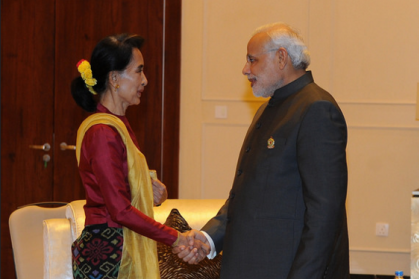
Myanmar is making a transition towards democracy with an election on 8 November, 2015. The elections are expected to be free, if not completely fair. Countries, including China and India are watching the elections keenly with a hope that they will provide for a stable and strong government.
BRICS_summit_2015_18 Courtesy: Wikipedia
7 October 2015

New concepts for BRICS

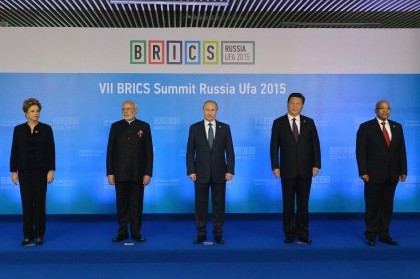
At a recent international seminar on BRICS Studies, in addition to the predictable themes such as building a multipolar world order and the One Belt One Road project, fresh ground was also covered, including the contours of the New Development Bank and the potential impact of the refugee crisis on BRICS countries.

Xi'an_erhuan_southeast Courtesy: Wikimedia
28 September 2015

Learning from China’s OBOR playbook

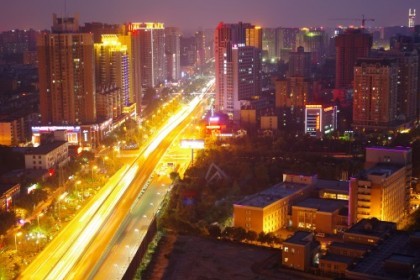
The ‘One Belt, One Road’ initiative announced by China last year is being actively implemented at the provincial level. A recent conference in Lianyungang, Jiangsu province, provided a glimpse of China’s multi-pronged strategy to harness various resources available to make OBOR a success.

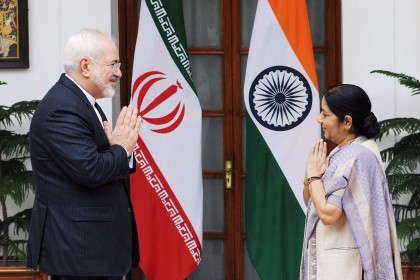
epa04883075 Iranian Minister of Foreign Affairs Mohammad Javad Zarif (L) is greeted by his Indian counterpart Sushma Swaraj prior to their meeting in New Delhi, India, 14 August 2015. Zarif is on a state visit to India to strengthen political ties between the two countries.  EPA/STR Courtesy: East Asia Forum
20 August 2015

Is the Iran deal a plus for South Asia?

The nuclear deal with Iran benefits India and Pakistan in terms of energy security and connectivity. But both countries also face challenges in their prospective engagement with Tehran, and both will have to tread carefully while using the new opportunities.

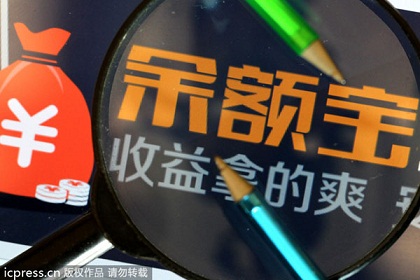
Yue’e’bao Courtesy: yesow.com
30 July 2015

China: Internet Finance pioneer

The new guidance on the development of internet finance in China provides insight into the future of China's pioneering internet finance industry and the defining role it will play in the country's economic reform process

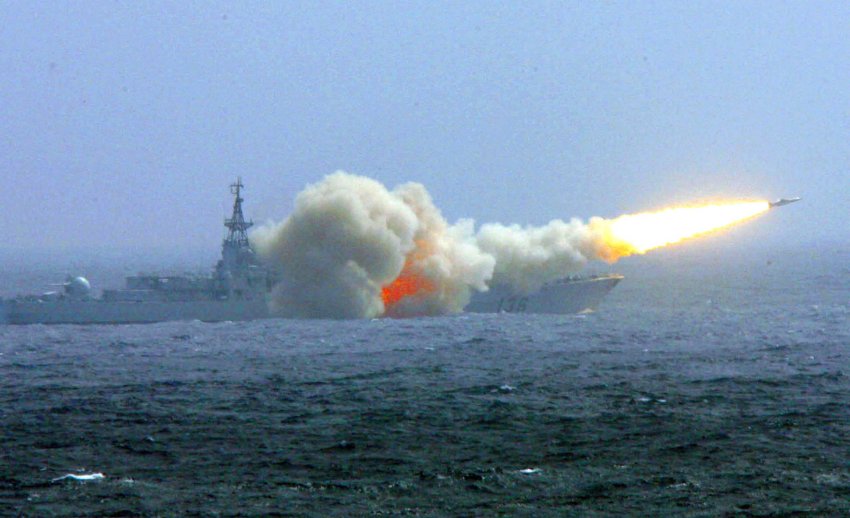
In this photo released by China's Xinhua news agency, a destroyer of the South China Sea Fleet of the Chinese Navy fire a missile during a traning in South China Sea on Saturday, Nov. 17, 2007. Dozen of warships of the South China Sea Fleet were deployed in the competitive training to improve combat capability of the fleet, Xinhua said.  (AP Photo/Xinhua, Zha Chunming) Courtesy: India Strategic
16 July 2015

Military strategies collide in the Asia-Pacific

The recent re-evaluation by the US, China, Japan, and Russia of their military strategies reflects new geopolitical equations in which the Asia Pacific is a major strategic intersection. Turmoil in this region can impact India’s trade and security interests, and to avoid this India must craft a balance between its relations with all the countries involved

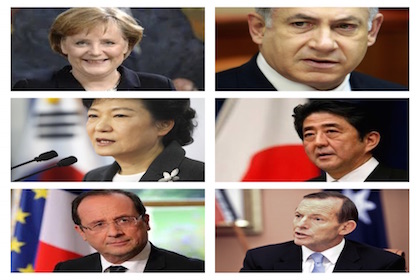
Middle Powers Courtesy: Wikimedia Commons
2 July 2015

Why middle powers matter to India

Narendra Modi, who spent nearly two months abroad in his first year as prime minister, helped India cultivate a wide range of bilateral and multilateral relationships. But of these, it will be the middle powers that hold the key, economically and geopolitically to India’s growth and security, and Modi must continue to widen his middle powers arc

Xiaomi India Courtesy: Alibaba, Xiaomi, Wechat
18 May 2015

China and Digital India

Less than two years ago most Indians would struggle to name a Chinese company. Fast forward to the present, Chinese smartphone company Xiaomi is on the tips of everyone’s tongue. Chinese internet giants Alibaba, Tencent and Xiaomi have emerged as investors and major players in India’s fast growing e-commerce and internet space. Their emergence marks a new and exciting area of cooperation and engagement between India and China

Sharif-Xi jinping Courtesy:
14 May 2015

OBOR and India’s security concerns

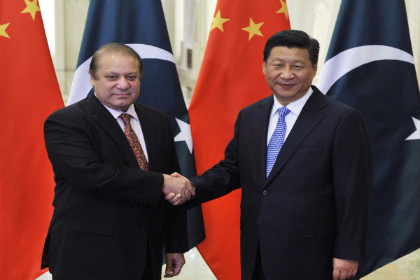
While China will seek India’s cooperation on its ambitious ‘One Belt, One Road’ project during Prime Minister Modi’s visit this week, Indian policy makers must soon articulate a definite stand on this transnational corridor by bridging the country’s security concerns and the benefits of such an engagement with China.