The Age of Transparency
The push for ubiquitous surveillance may, oddly enough, result in greater transparency of state practices as the gaps between rhetoric and reality become more visible.

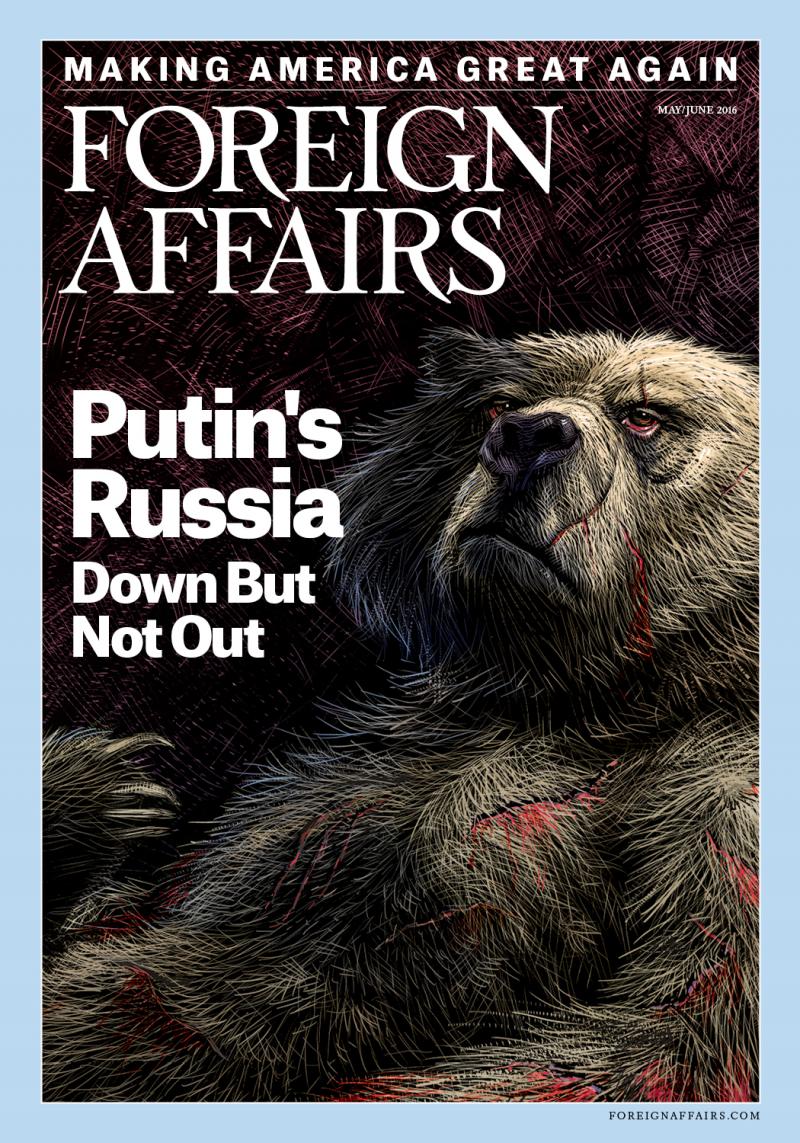 Courtesy: Foreign Affairs
The push for ubiquitous surveillance may, oddly enough, result in greater transparency of state practices as the gaps between rhetoric and reality become more visible.
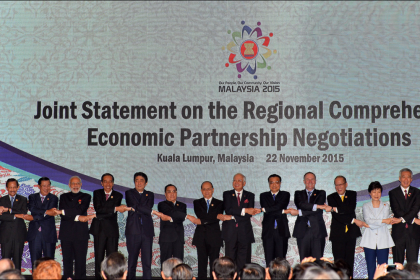 Courtesy: MEA / Flickr
Five rather unfavourable trends define India’s trade performance over the past two years; these trends also provide useful pointers as to where India’s future trade strategy can go over the next three years as it deals with a global economic slowdown, the rise of megatrade agreements and a pivot to a more intensive trade relation with the U.S.
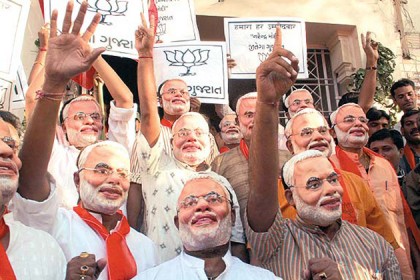 Courtesy: Narendramodi.in
Narendra Modi’s landslide victory in India's 2014 general elections, despite his hardline nationalist image, was viewed as a localised phenomenon. But two years later, voters across the world from Europe to Philippines seem to be tilting towards leaders with the same nationalist tag.
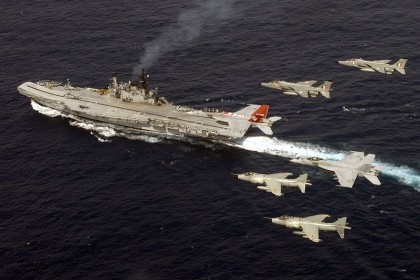 Courtesy: Wikipedia
After nearly a decade of moving slowly towards the U.S. on critical matters including nuclear power, the recent bilateral agreement to share military facilities and have anti-submarine warfare talks, suggest that Prime Minister Narendra Modi will have India sail the oceans with the American eagle.
 Courtesy: Gage Skidmore & Hillary for America via flickr
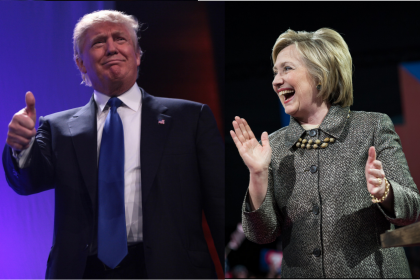
It is beginning to be clear that the 2016 U.S. presidential race will see Donald Trump go head-to-head with Hillary Clinton. As these two contenders near the stage, Trump’s “America First” has started to ring differently, while Hillary’s “traditional” approach must be adjusted to cater to the financial needs of the American people.
 Courtesy: Ash Carter / Flickr
The success of the U.S. Defense Secretary's recent visit to India is indicative of the deepening India-U.S. defence relationship. It has become clear that Indo-U.S. maritime cooperation in the Indian Ocean is steaming ahead; while other geopolitical differences, like the sale of aircraft to Pakistan, seem unlikely to disappear anytime soon.
 Courtesy: Department of Defense, U.S. Gov
The recent visit of the U.S. Defense Secretary to India has yielded significant outcomes on streamlining bilateral military interactions, deepening maritime security cooperation and defence technology collaboration. As India grows closer to the U.S., it should be clear about the objectives of this engagement
 Courtesy: Wikipedia
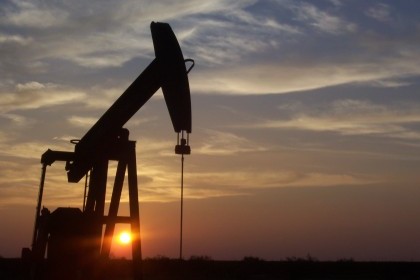
The U.S. and Canada offer an opportunity for India to acquire large scale oil and gas fields in politically stable countries at a low price. A financial investment in energy companies will protect India against a rise in energy prices without raising concerns in host countries.
 Courtesy: Wikipedia
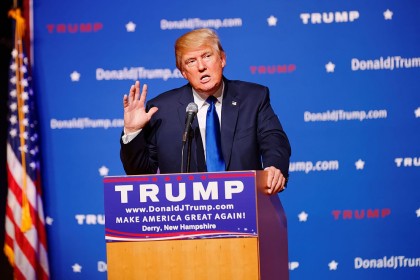
Statements by Donald Trump, the business magnate turned serious contender for the Oval Office, assert that he wants “good” political and economic deals for the U.S. - even if it means dismantling alliances, i.e. the geopolitical equivalents of Bretton Woods that underwrote the U.S .domination in Europe, Asia and Middle East for more than six decades. A new era could dawn.
 Courtesy: Whitehouse.gov
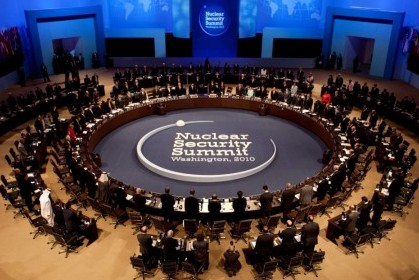
Once the fourth and final global Nuclear Security Summit is held this week in Washington, D.C., the challenge will primarily be for bureaucrats to continue working and keep leaders engaged on nuclear security. Inertia on this issue, especially when there is growing intelligence on security breaches, could be deadly.