How to Succeed in the Networked World
Foreign policy experts have long been taught to see the world as a chessboard, analyzing the decisions of great powers and anticipating rival states’ reactions in a continual game of strategic advantage.

 Courtesy: Foreign Affairs
Foreign policy experts have long been taught to see the world as a chessboard, analyzing the decisions of great powers and anticipating rival states’ reactions in a continual game of strategic advantage.
 Courtesy: Foreign Affairs
Brazil has rarely had it so bad. The country’s economy has collapsed: since 2013, its unemployment rate has nearly doubled, to more than 11 percent, and last year its GDP shrank by 3.8 percent, the largest contraction in a quarter century.
 Courtesy: Foreign Affairs
Over the past two decades, Germany’s global role has undergone a remarkable transformation. Following its peaceful reunification in 1990, Germany was on track to become an economic giant that had little in the way of foreign policy.
 Courtesy: Foreign Affairs
The push for ubiquitous surveillance may, oddly enough, result in greater transparency of state practices as the gaps between rhetoric and reality become more visible.
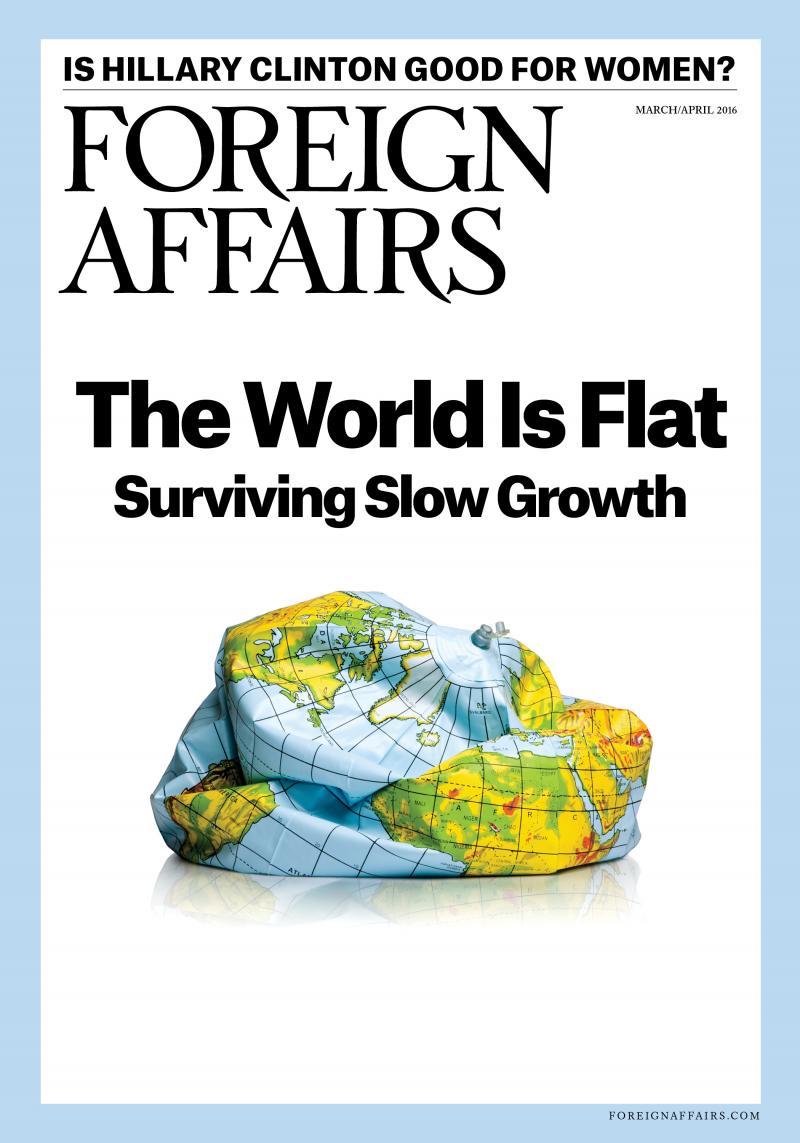 Courtesy: Foreign Affairs
In order to avoid the next economic downturn, bold action needs to be taken by the world's central bankers and policymakers.
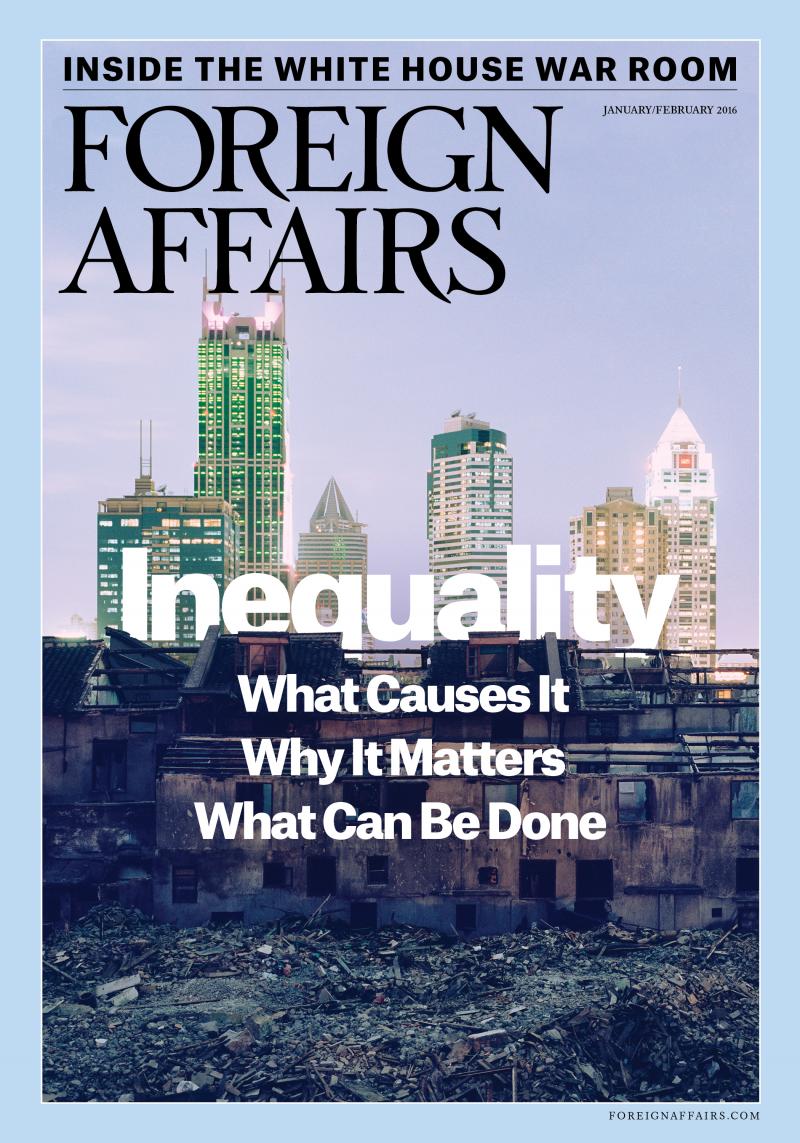 Courtesy: Foreign Affairs
Beijing and Moscow are close, but not allies. Scholars and journalists in the West find themselves debating the nature of the Chinese-Russian partnership and wondering whether it will evolve into an alliance.