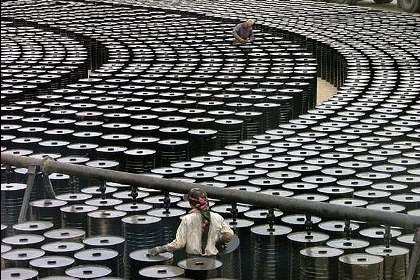
Saudi Arabia feels Iran’s pinch
OPEC’s announcement of a cut in oil production shows that Saudi Arabia is being affected by low oil prices even as Iran gains ground

 Courtesy: The Iran Project
OPEC’s announcement of a cut in oil production shows that Saudi Arabia is being affected by low oil prices even as Iran gains ground
 Courtesy: Narendramodi.in
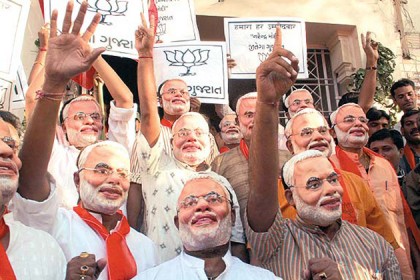
Narendra Modi’s landslide victory in India's 2014 general elections, despite his hardline nationalist image, was viewed as a localised phenomenon. But two years later, voters across the world from Europe to Philippines seem to be tilting towards leaders with the same nationalist tag.
 Courtesy: MEA / Flickr
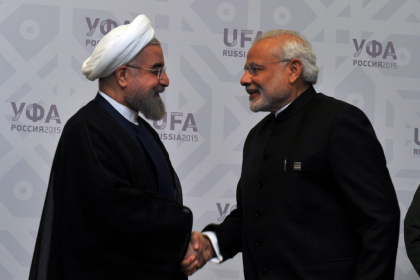
A month after visiting Saudi Arabia, Prime Minister Modi will visit Iran on 22 May. India's careful balancing of relations with competing parties in West Asia has let it remain a friend to all. But to play a role commensurate with its global vision, India must work on becoming more than a friend and instead be an indispensable partner to countries in the region.
 Courtesy: MEA / Flickr
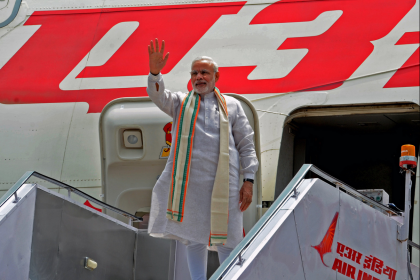
The talking points for Prime Minister Modi's upcoming visit to Saudi Arabia will include the obvious: oil, diaspora and economic engagement. What remains to be seen is how both countries differing relations with Iran and Pakistan might affect the dialogue.
 Courtesy: Wikipedia
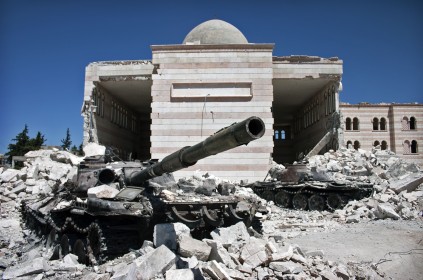
With a cessation of hostilities been brokered by Russia and the United States, the conflict in Syria has entered a tense pause. India has had a bystander attitude to the conflict in Syria. However, with the truce expected to be short, does India have the incentive or the option to depart from its current position, and deepen its engagement in Syria?
 Courtesy: Wikimedia
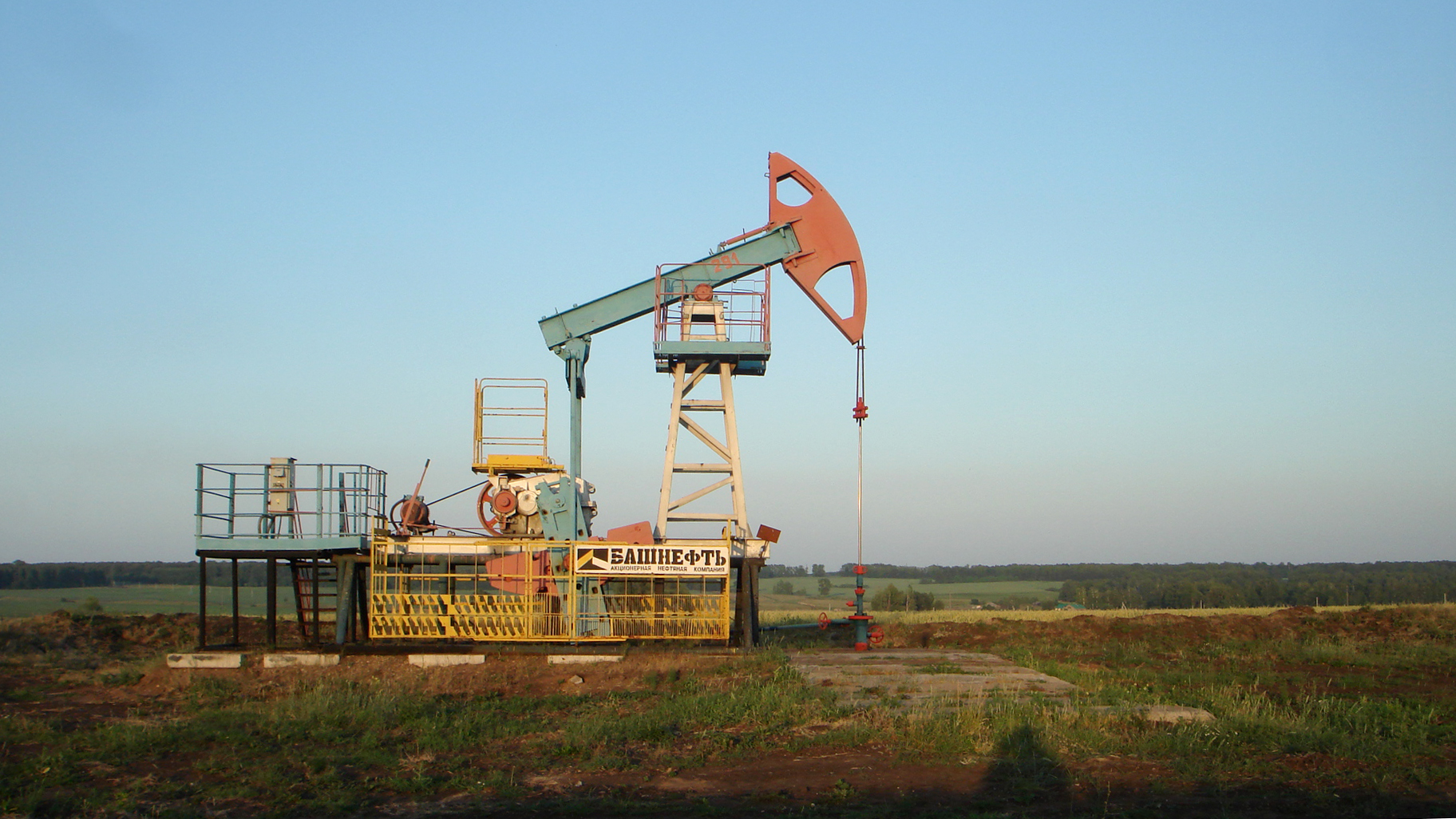
Saudi Arabia, Russia and other oil producers are trying to cap oil production to support prices. Such distortions are unlikely to work. India should be more concerned about the long term rise in oil prices due to falling investment in exploration and production – and should protect itself by acquiring oil and gas assets to cover its energy needs.
 Courtesy: Youtube
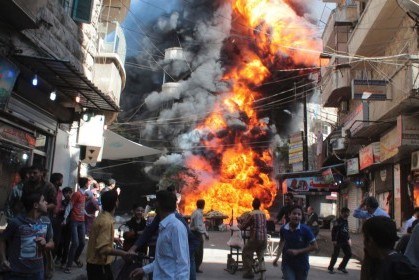
The world has witnessed a number of upheavals in the past few years, precipitating widespread global political turbulence stemming from geo-economic instability. Over the next couple of months, Gateway House experts will attempt to deconstruct these events and how India and its foreign policy can work to take advantage of these trends.
 Courtesy: Flickr / Foreign and Commonwealth Office
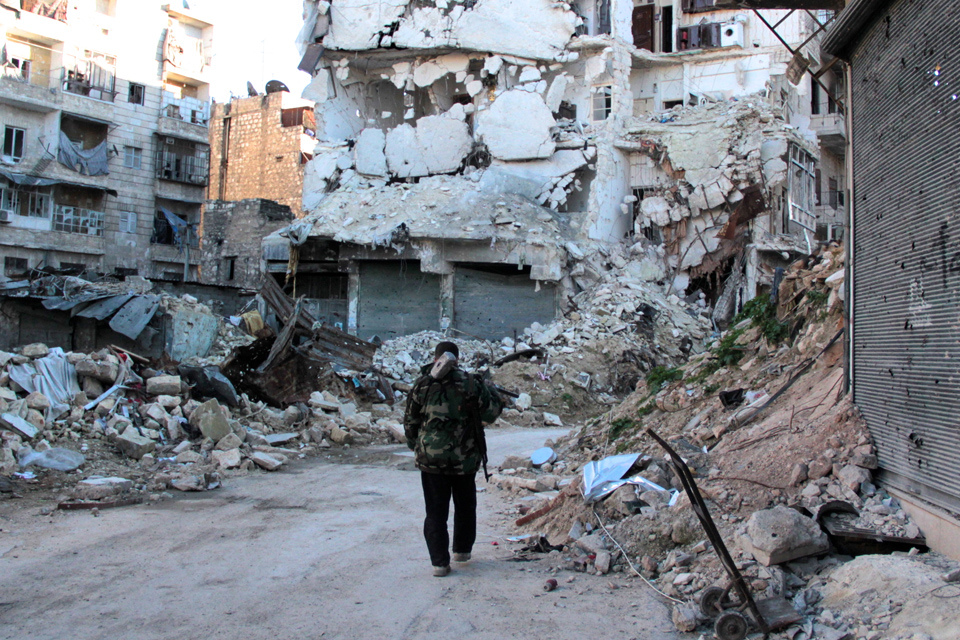
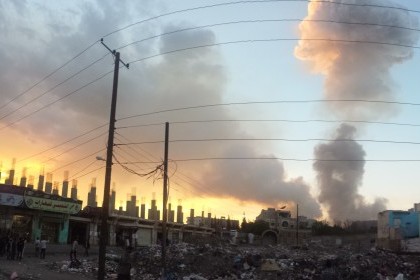
By executing an influential Shia cleric among 47 other prisoners, Saudi Arabia has increased the possibility of prolonging conflict in West Asia. The country’s actions have stirred up its differences with Iran, thereby diminishing the possibility of finding political solutions to the civil wars in Syria and Yemen.
 Courtesy: Wikipedia
On 14 December, Saudi Arabia announced the formation of an anti-terrorism coalition of 34 Islamic countries. But with key potential partners such as Algeria, Lebanon, and Pakistan refusing to join, the hastily-assembled group has put Saudi credibility in the spotlight instead of deflecting western criticism of the kingdom’s inaction against Sunni jihadism
 Courtesy: Victor Dubreuil / Wikipedia
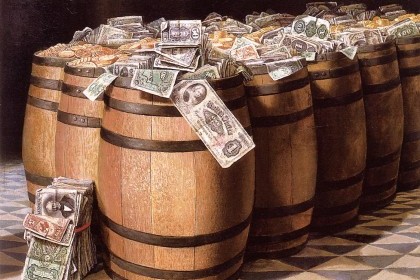
The GCC finds itself engulfed by a perfect storm – due to the oil price fall and the re-emergence of Iran on the world scene. While the GCC is forced to undertake politically challenging reforms and confront the regional challenge of Iran, there lies a great opportunity for India to strengthen their economic as well as security ties.