

On November 6 and 11, 2025, the Indian state of Bihar went to the polls to elect a new state legislature and leader. The turnout was unprecedented in the state’s history[1]: 67% on average with 71.6% recorded for women voters alone.
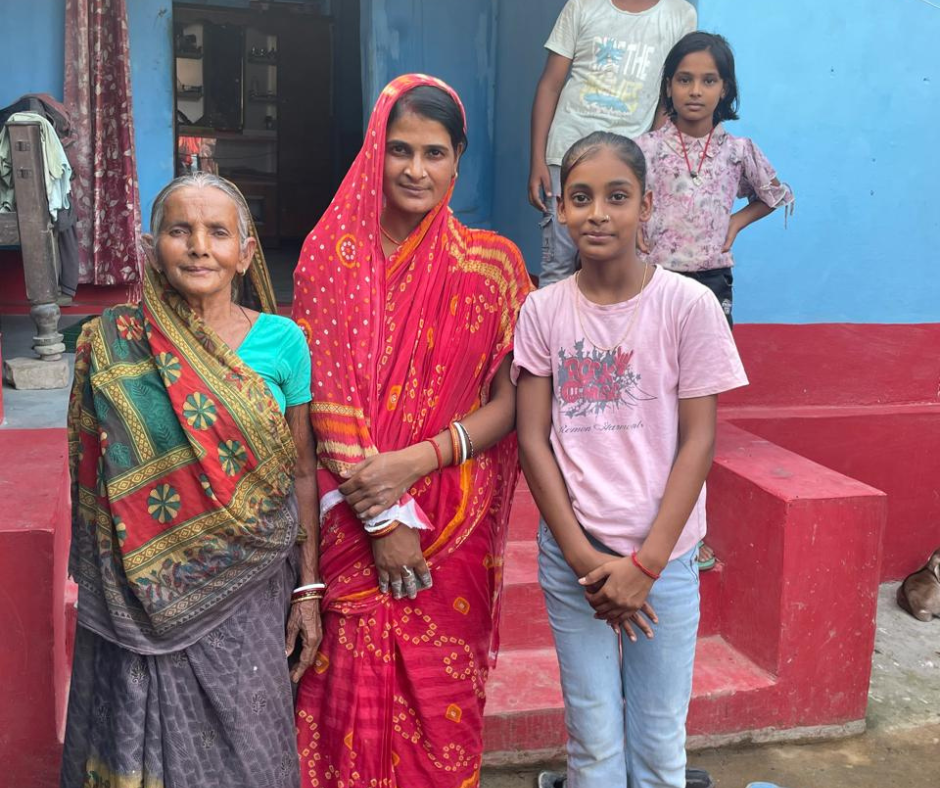
It’s not hard to understand why the women of Bihar are enthusiastic about expressing their franchise. Over the last two decades, Chief Minister Nitish Kumar has backed the development of women as central to his governance agenda. In August 2025, he announced that one woman in every family in Bihar, will receive seed money of Rs. 10,000 to start her own enterprise.[2] By the time the state election was announced for November 6, 9.6 million women had received funds in their bank accounts, with just a few of the eligible 11 million women left to disburse it to. Many women have used the money to buy goats, sewing machines, or to repay high-interest microfinance loans (Bihar accounts for 15% of India’s total microfinance portfolio, and is also the top state in terms of loans outstanding).[3]
Analysts say that Nitish Kumar’s pre-election seed money distribution was not necessary, as the women’s vote for him is guaranteed, given his record of supporting women. That record is impressive indeed. Since 2005, he has successfully provided the following: cycles and uniforms to school girls; financial assistance for education till graduation; campaigns against child marriage and dowry; support to 14 million women to form self-help groups; representation of women in politics and governance far over the national average – 50% reservation for women in panchayats (village councils), urban bodies and primary teacher enrolment, 35% horizontal reservation for women in government jobs and in the police, and 33% in engineering and medical colleges.
In the 2015 state elections, he acceded to a long-standing demand of his women voters: statewide prohibition of alcohol. This made Bihar the second dry state in India after Gujarat, depriving it of its largest source[4] of tax revenue – 1% of state GDP. This is a heavy loss for a state already at the very bottom of the GDP per capita rankings in India. Politicians across the spectrum say it has brought sanity to Bihar’s families. Though other forms of intoxication like cannabis have caught on amongst some youth, there is no talk of reversing the ban.
According to a 2025 report[5] by government think tank Niti Aayog, Bihar’s 127 million population, comprising 9% of India’s total, is growing faster than the national average, with three children per family compared to two or less in the rest of the country. Bihar, however, will soon join with the average national replacement rate of 1.9 births per woman; young people, focusing singularly on providing a good education to their children, say even two children is too much.
Meanwhile, Bihar’s rural economy is heavily dependent on New Delhi for revenue – up to 75% – as the state generates only 25% on its own, mostly from the General Sales Tax receipts. Bihar, now split into two states with Jharkhand getting the bulk of the rich mineral resources, together Bihar and Jharkhand used to contribute over 8% of national GDP; today, its half, at just 4%, and Bihar alone is just 2.8%. It is virtually a welfare state.
It’s a dramatic fall for a state that once gave India its greatest ancient empires, the Maurya and Gupta empires, was the birthplace of both Buddhism and Jainism, and housed Nalanda, one of the world’s greatest libraries from the 5th century. Successive Islamic invasions destroyed the Bihar’s great centres of learning, and the Buddhist and Hindu dynasties. The British colonial era followed, with it exploitative systems and processes, reducing the rich province of Bihar to poverty. It also deprived the state of its local working populace. In the 1830s, after slavery was abolished, the British ‘indentured’ labour from the Bihar region -about 1.5 million – to send to their far-flung colonies in the Caribbean and Africa.
In post-independence India, the post Mandal caste revolution had the biggest impact in Bihar and neighbouring Uttar Pradesh. It brought political equity, but destroyed economic opportunity. From 1990 to 2005, under the unruly administration of the Muslim and Yadav caste-based Rashtriya Janata Dal led by Lalu Prasad Yadav, the state’s GDP declined by 10% – unseen anywhere in India.
The arrival of Nitish Kumar, with his practical knowledge of markets and determination to uplift women, was a change of pace and expectations for the state. From 2005-13, Bihar’s prospects began to look up, with GDP per capita growing at 8.6%; for the last three years, the state’s GDP is 9.5%, compared to the national average of 6.5%, although from a low base. Nevertheless, the optimism around Bihar is growing.
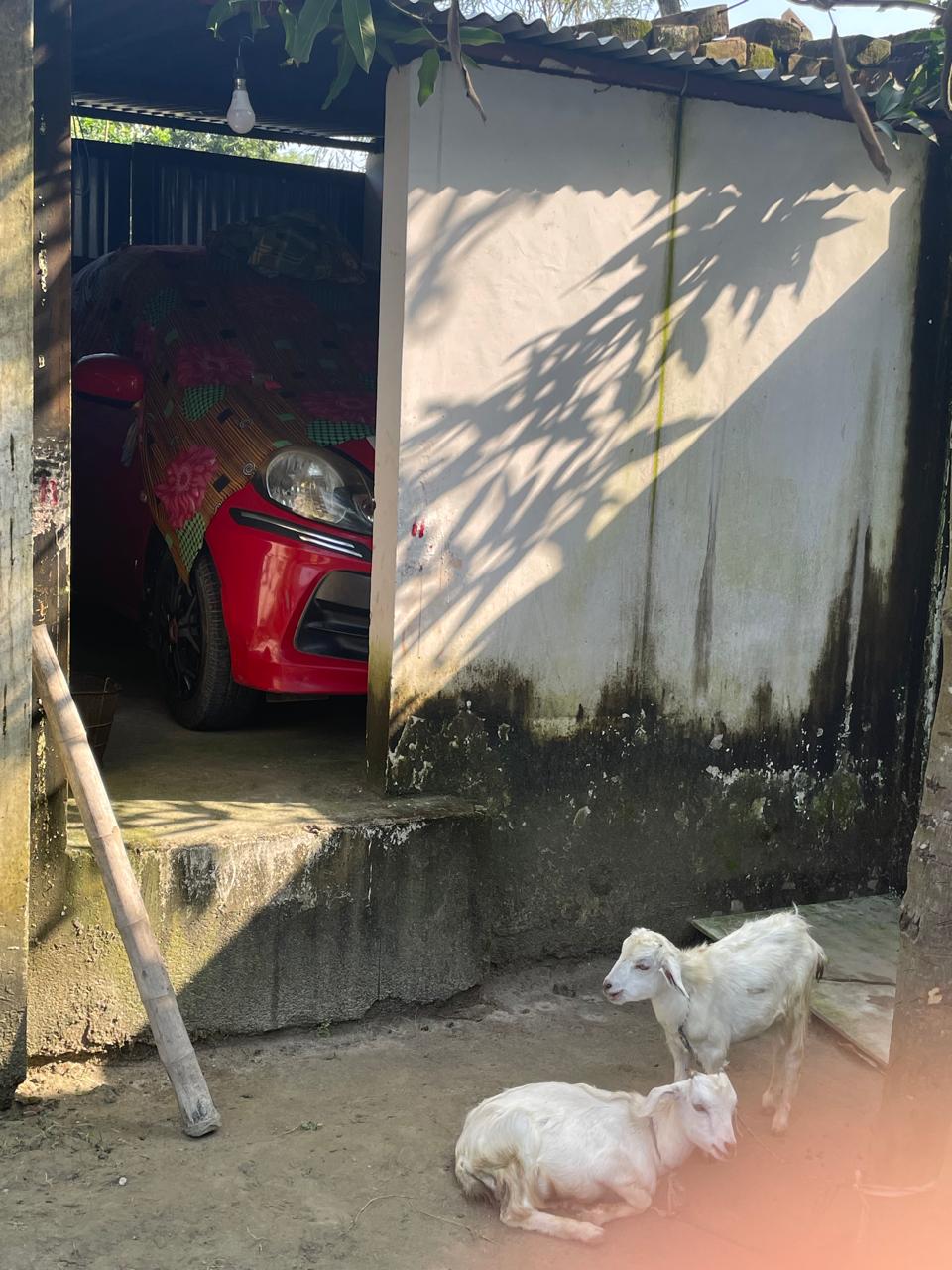
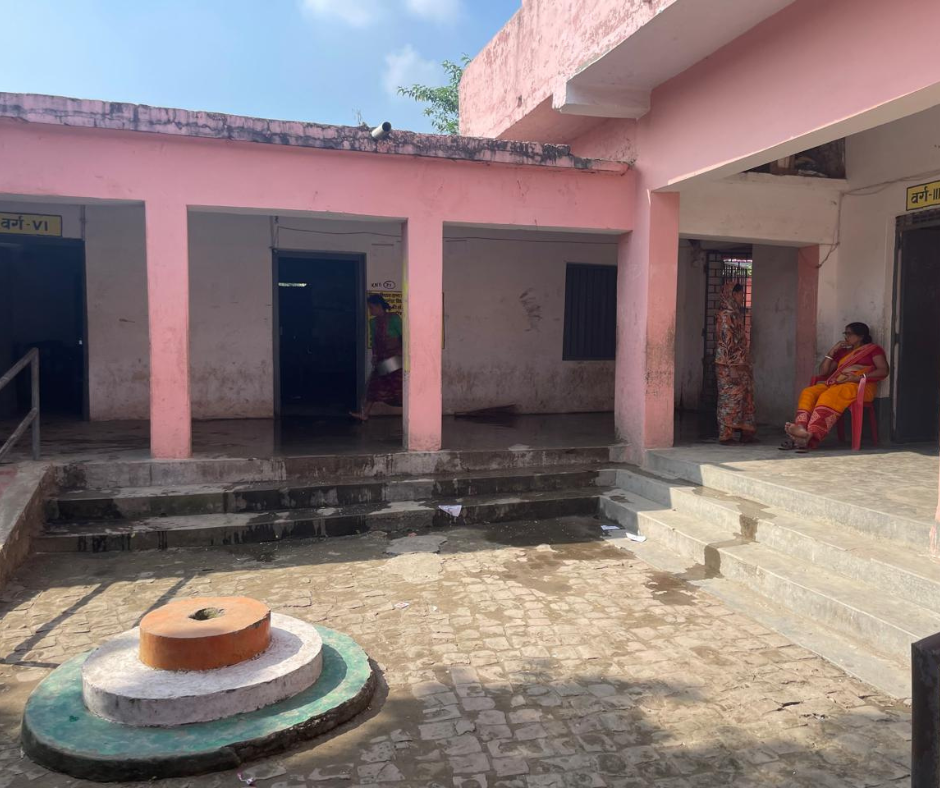
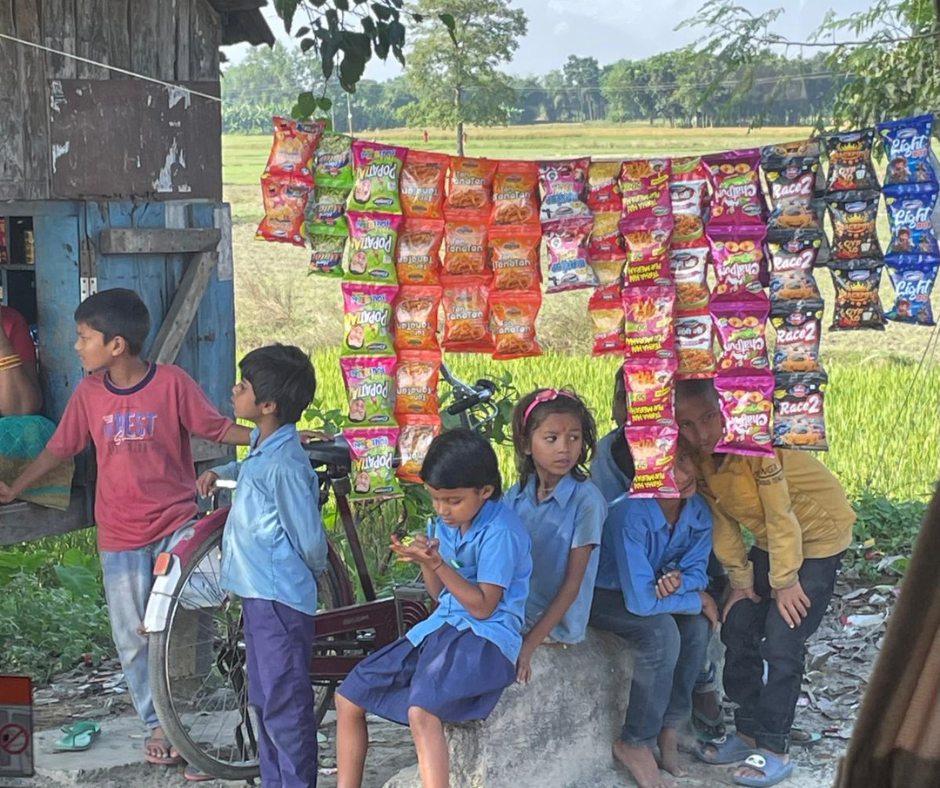
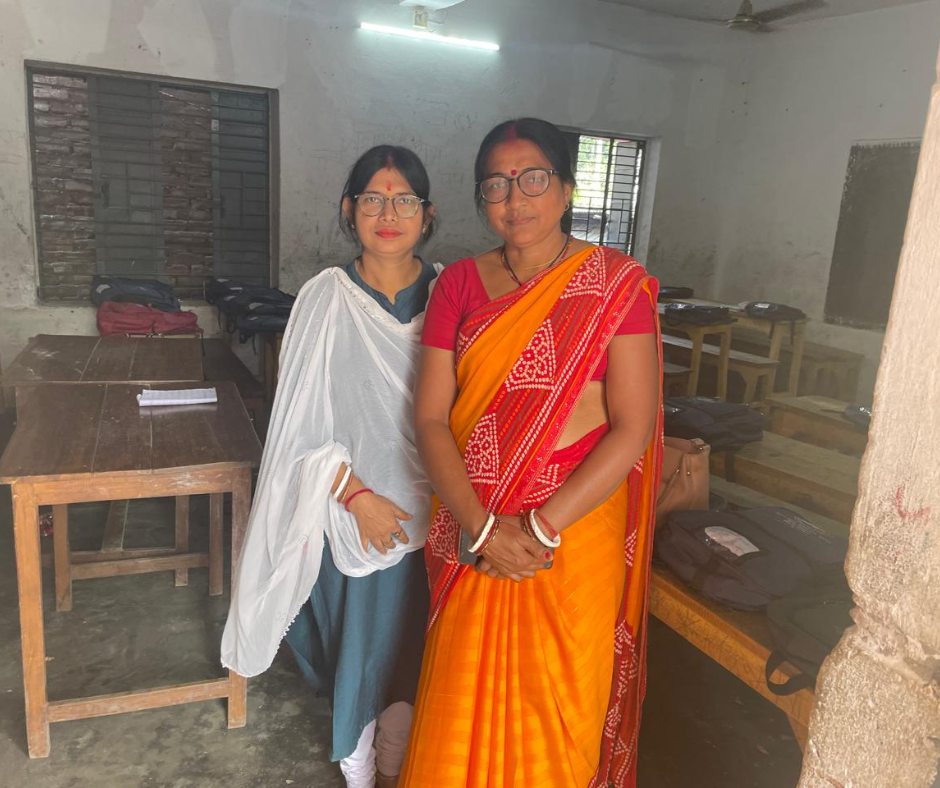
The combination of using the full benefits of central government welfare and entrepreneurial schemes and those specifically provided by Nitish Kumar in the state, is a model for other states in India – and countries in the Global South. Developmentally, Bihar is almost on a par with the rest of India – life expectancy, infant mortality, immunised children. Politically, the three Cs of crime, corruption and communism have made way for security, and a deep determination to acquire education for the family. These have been made possible by better infrastructure: the state has electricity, running water and sanitation at home, good roads even in villages. It has more schools and colleges than it has ever had, with one government primary and secondary school within one and three kilometres from every village.[6] Thatched huts have given way to brick homes even in villages under Pradhan Mantri Awas Yojana – Gramin (PMAY-G), and the new push to become entrepreneurs has seen some households move from pure agriculture to plant nurseries, for instance.
These three elements are visible in the life of Pradeep Chauhan, 38, from Faringola village in the Kishinganj district, bordering the easternmost Purnia district and the state of West Bengal. He had a little land, and worked as a mason, but now he has a nursery named after his daughter Siya, which makes him enough money for the family. His biggest saving is for education for his son and daughter.
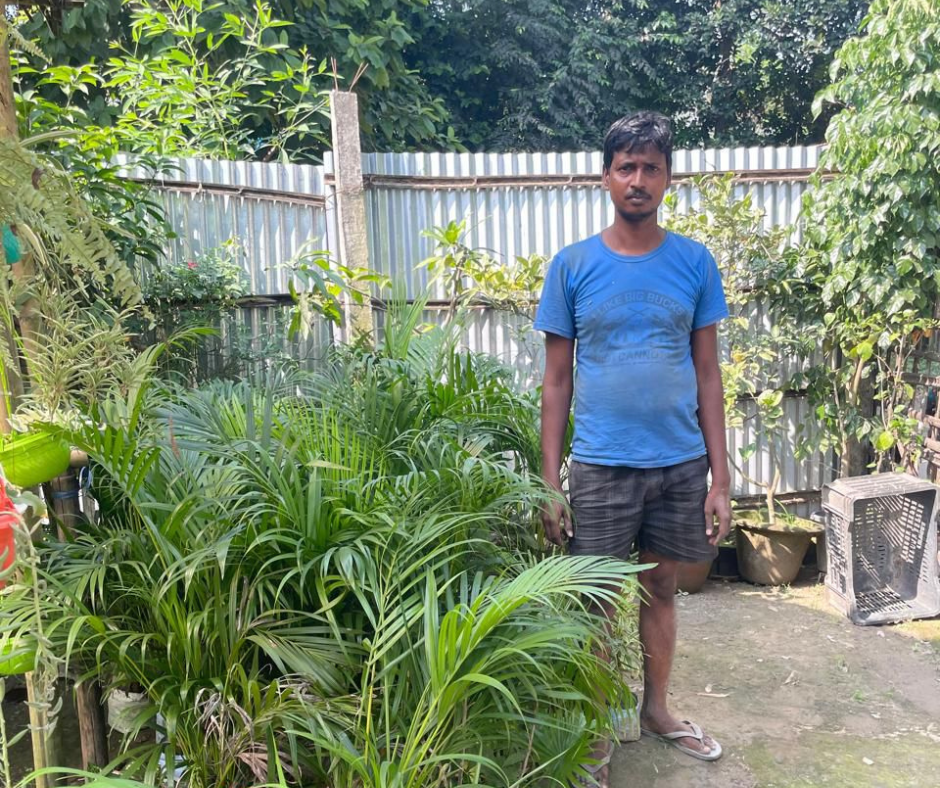
His village is clean and swept, with a central cemented road. Pradeep says they sweep outside their home every day, and the garbage is collected by the government cleaner once a week. These are dedicated Nitish Kumar voters, as they have received all the state and central benefits. Pradeep points to the solid electricity pole in front of his home, and is especially pleased with the thick black coil of wires that connect to the other poles in the village.
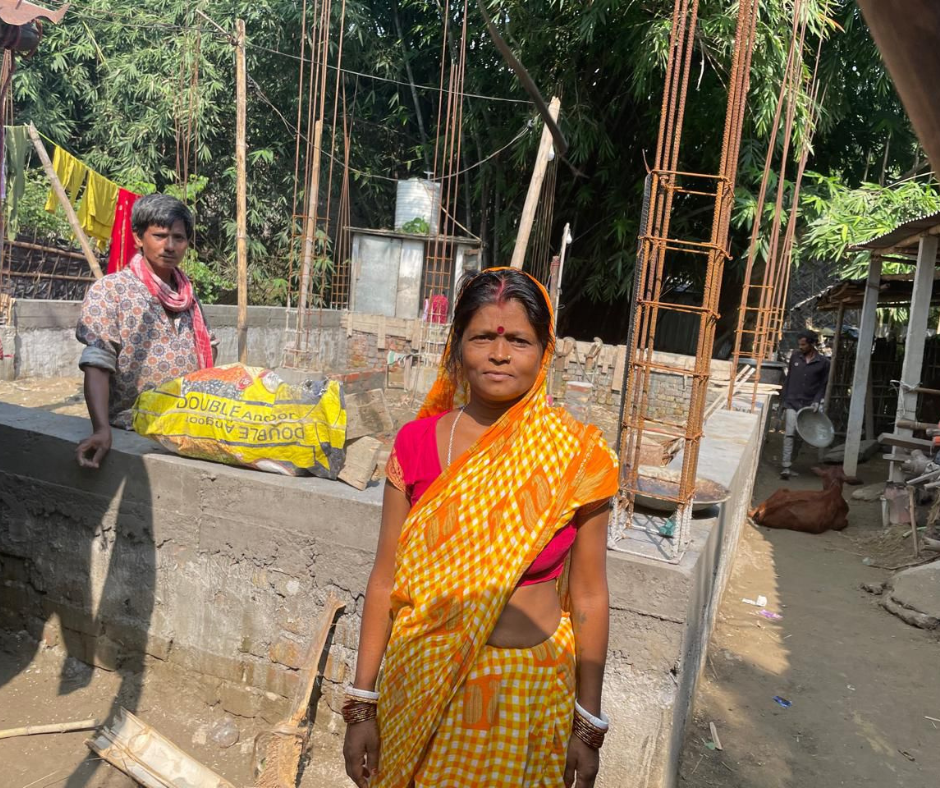
Further down the road, is Leela Devi, 45, a vocal fan of PM Modi’s – and a model welfare beneficiary. As a woman she has all she needs to make her life better: an Ayushman Bharat health insurance card, a gas cylinder to cook food with, light and water at home, good roads. She is building the first layer of her first brick home, with Rs. 50,000 from the PMAY-G, and a separate toilet with the initial Rs. 12,000. As the building develops, she will get Rs.1 lakh for her home, and Rs. 50,000 for the completed toilet. Leela Devi got sick from Covid but, she says the government health card and vaccine protected her and helped treat her and her husband. “Win or lose,” she says, “we will all vote for Modi.” The villagers work in the fields in nearby Bengal, a trek in the old days but now just a few minutes’ walk across the newly built bridge outside the village road.
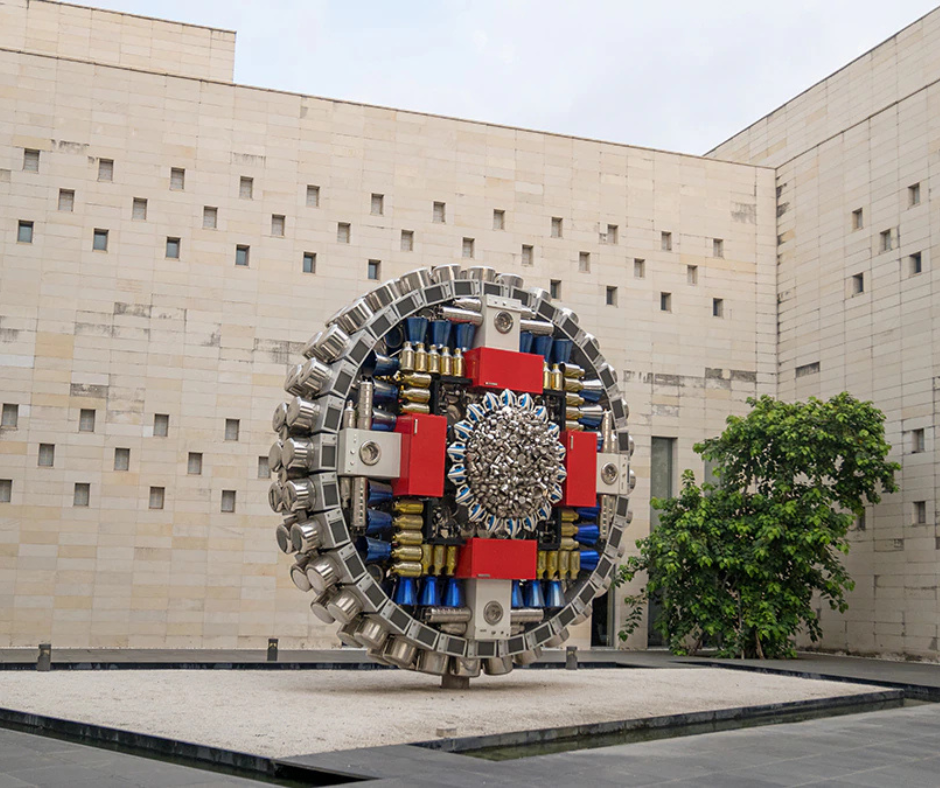
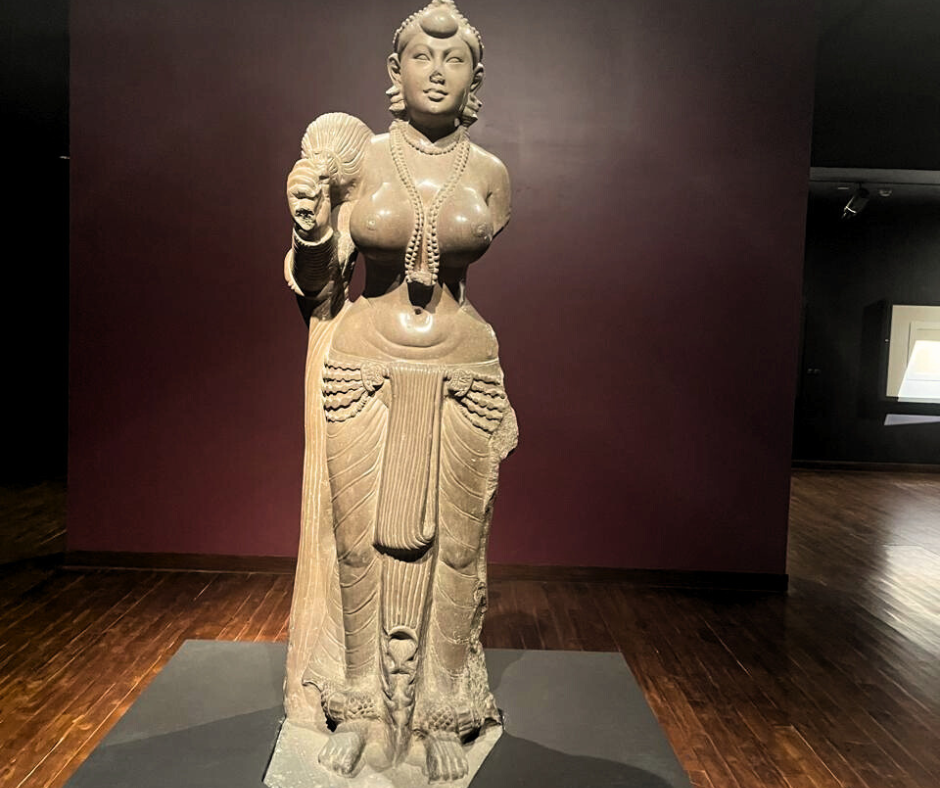
The state’s capital city of Patna itself has changed dramatically. It has a world class museum, the Bihar Museum, which has ancient Indian relics and rooms for exhibits and spaces for PhDs to study in and observe. Young men and women are the museum’s knowledgeable docents. Patna has wide roads, and new hotels, especially a landmark Taj group property, which is always full. A surprise is the adjacent mall, no different from one found in every Indian city. The counters are manned by young women and men, and the women can travel freely. Who will they cast their vote for? The candidate that provides security of movement, because women in Bihar want to be free to live the life they want and travel where they want. These are the very same young women to whom Nitish Kumar provided bicycles under his Mukhyamantri Cycle Yojana, so they could go to school and progress. In two decades, a generation comes full circle.
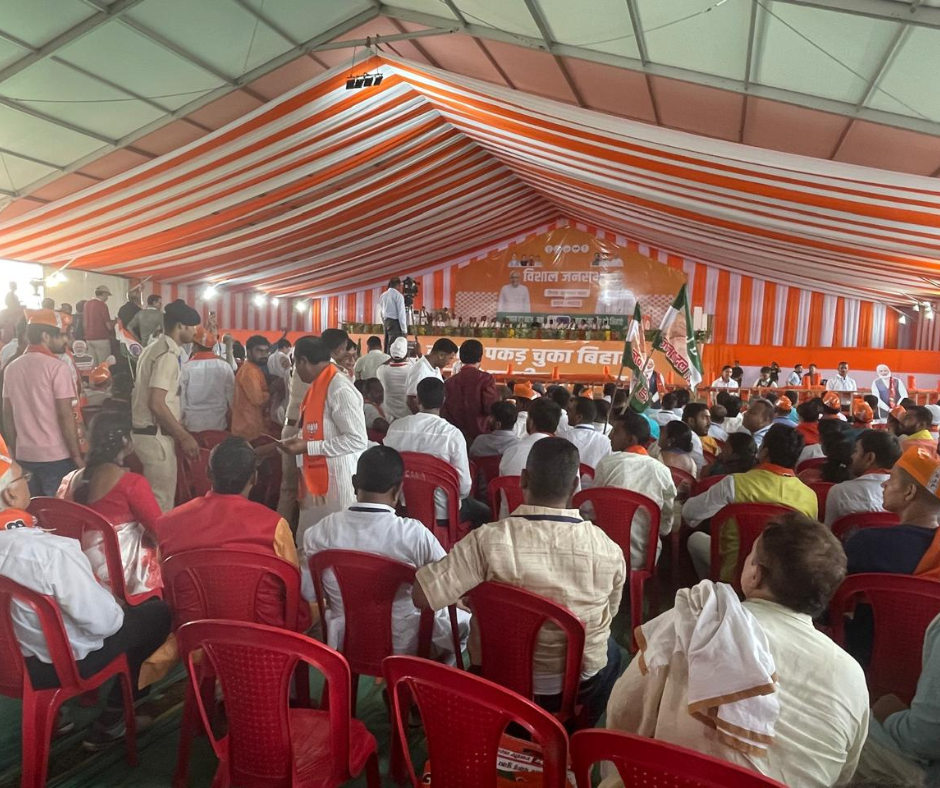
A downside of Bihar’s “freedom generation” is that some don’t remember the life of insecurity their parents led. Nitish Kumar and his coalition are relentless about reminding them of the days of ‘jungle raj’ when Lalu Prasad Yadav ruled, and hundreds of thousands had to leave their villages to seek work in other parts of India and even become labour in the Gulf, and the middle classes fled their homes overnight due to hooliganism and high crime. It led to a flood of migration outside of Bihar, and by 2011, about 9.3 million had left the state, four times more than previous decades[7] and that number is estimated to have tripled.
For those who are now under 25, those years are not in their memory; security built under Nitish Kumar is taken for granted. “What jungle raj,” asks a 28-year-old doctor in Srinagar in Purnia district, listening to deputy Bihar chief minister Samrat Choudhry’s rally in the town. “We don’t like it when politicians call Lalu a villain and refer to his time as jungle raj.” He likes Lalu’s son Tejashwi Yadav, 36, who is the leader of the opposition and insists jungle raj is a made up description.
The older generation in Bihar, who sacrificed good jobs and security, is anguished by the flippant politics of the youth, whom they call goons or ‘bahubali’ who live a good life from ill-begotten gains. “They see the lifestyle, and forget the crimes that created them,” an older businessman said at a seminar in Patna. One such is Pappu Yadav, who went from a life of crime and dirty politics to representing Purnia district at the national level in the Lok Sabha in Delhi on a Congress Party ticket in 2024. He says he has reformed, and now only lives to serve others.
Leaders like Pappu Yadav still remind Biharis about how recent the evolution of Bihar has been. A large number of the populace still find better opportunities outside, and remit money home. But now politicians talk about developing industry so jobs can be had in the state, and men and women need not be far from their families. The migrant labour from Bihar has talent and experience, as labourers or as professionals: bringing them home will give Bihar a significant boost of creativity and management skills, much needed.
Twenty years of Nitish Kumar’s good governance has turned the tables for Bihar. His alliance with the ruling BJP has cemented his reputation of being the Governance Chief, and his agenda for women has made him a beloved leader. But the road ahead for a turnaround is long and steep.
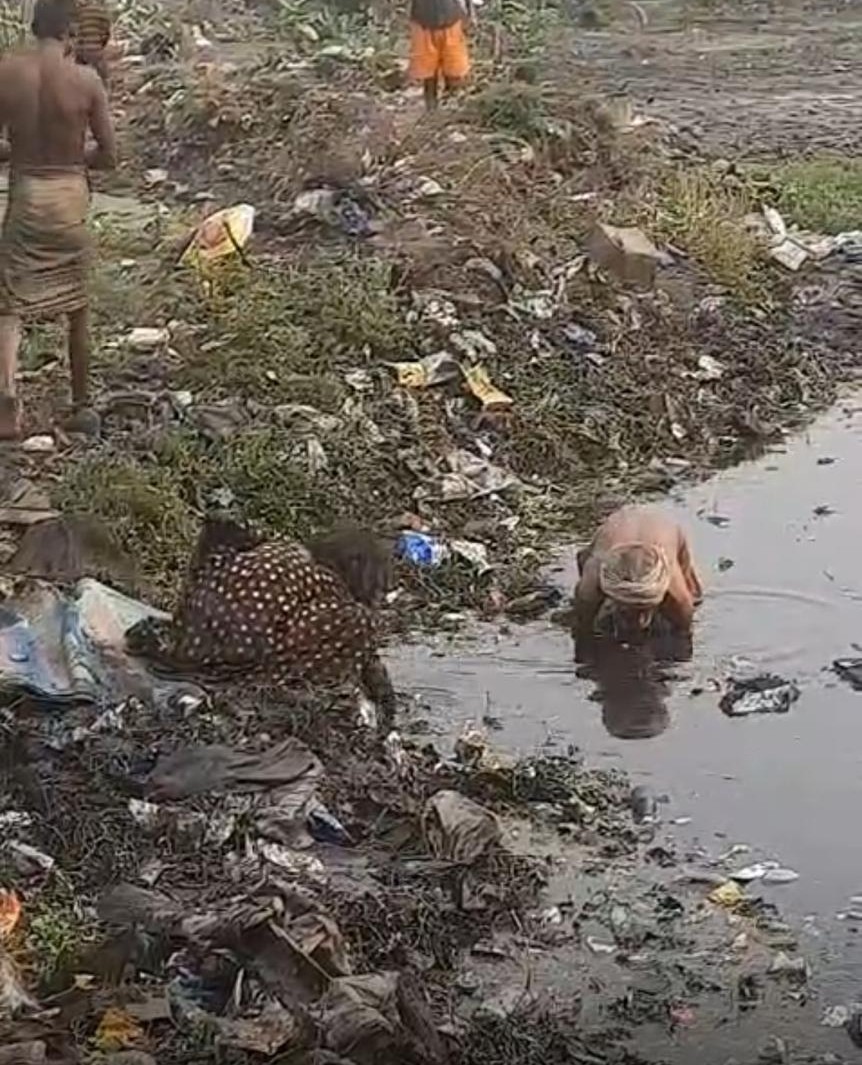
Religious communalism has no place in Bihar, but casteism continues to be the bane of state. Constituencies like Maner, which repeatedly vote for the RJD, reveal the contrasts. There are new private banks on the tarred road, but the inhuman conditions of 1970s Bihar are also in plain sight. Within the squelchy ground where Tesjashwi Yadav is campaigning, young children, men and women are foraging for tiny mud fish in a stagnant pool of water, diving in for a protein that will earn them barely $2 a kg. Yadav himself arrives by helicopter for his five-minute speech, but doesn’t seem to notice the incongruity.
Business does not see Bihar as a good investment, mostly because land records have been falsified over decades, and true ownership of property is not established. Still, there are signs of entrepreneurship. The ancient and fertile land produces good crops, and there is some value-added enterprise now. In the Kudhani block of Muzaffarpur district, over 500 litchi producers[8] have come together to turn its sweet and famous fruit into pulp, juice and jam for global export. Bihar is home to the superfood, makhana or lotus seeds, which are growing in popularity, and are now being processed and packaged in small factories. The success of such small steps, combined with the momentum of a large population, can work wonders. The next government of Bihar will have to double down on such efforts.
Manjeet Kripalani is the Executive Director, Gateway House.
This article was exclusively written for Gateway House: Indian Council on Global Relations. You can read more exclusive content here.
Support our work here.
For permission to republish, please contact outreach@gatewayhouse.in
©Copyright 2025 Gateway House: Indian Council on Global Relations. All rights reserved. Any unauthorised copying or reproduction is strictly prohibited.
References:
[1] https://www.pib.gov.in/PressReleasePage.aspx?PRID=2189034
[2] https://www.pib.gov.in/PressReleasePage.aspx?PRID=2171606
[3] https://www.sa-dhan.net/wp-content/uploads/2025/10/Bharat-Microfinance-Report_FY_2024-25_compressed.pdf
[4] https://prsindia.org/budgets/states/bihar-budget-analysis-2023-24
[5] https://niti.gov.in/sites/default/files/2025-03/Macro-and-Fiscal-Landscape-of-the-State-of-Bihar-1.pdf
[6] https://sansad.in/getFile/loksabhaquestions/annex/182/AU1132_kjXJLF.pdf?source=pqals
[7] https://migrationaffairs.com/2011-census-snapshot-out-migration-from-bihar/
[8] https://www.msde.gov.in/static/uploads/2024/02/a58c37c42f8511ec0cadde5f64b4cce0.pdf