Sri Lanka is playing a balancing act as it manages its ties with India and China. It is heavily dependent on the two rival Asian giants for its economic revitalisation and future growth, but it must be strategic in its approach with both countries as it attempts to manage its foreign debt and ensure project sustainability while maintaining geopolitical neutrality.
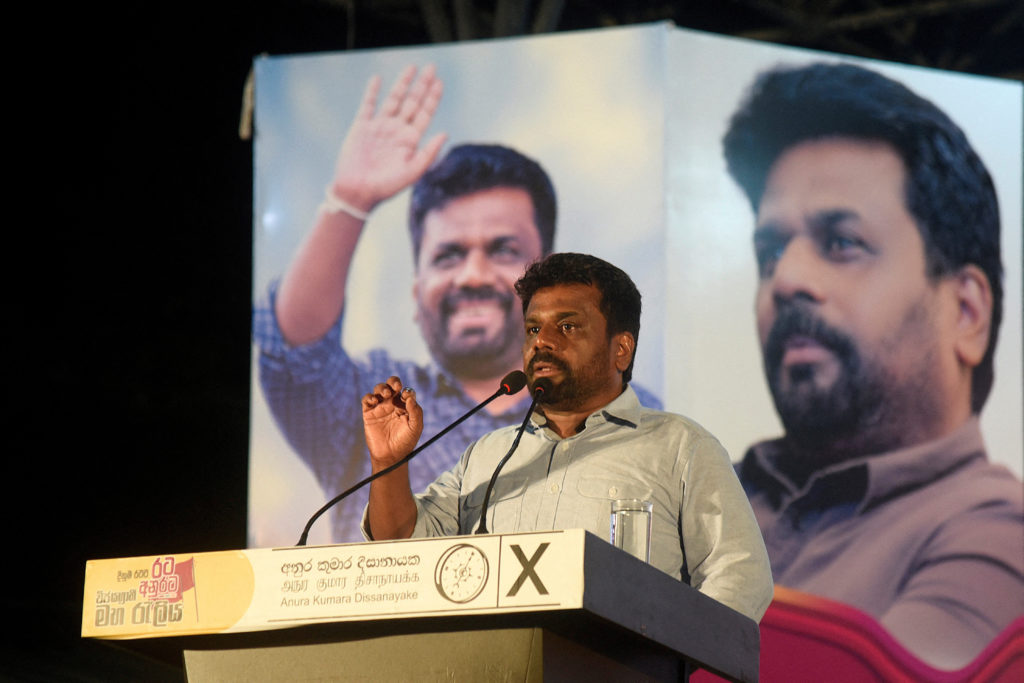
Since their swearing-in in September this year, President Anura Kumara Dissanayake’s cabinet of three has been campaigning for long-term economic and political reform. To make these major changes and put Sri Lanka back on the growth path, they will now need to win a majority in the Parliamentary elections to be held on November 14.
The economic agenda is the key issue in the Sri Lankan Presidential elections to be held on Sept 21. This island nation is seeking a return to prosperity through relief from onerous debt, reduced corruption, an effective bureaucracy, and constitutional and economic reforms. The five principal players in the race, however, have varied agendas that may not fulfil all of the people’s needs and desires.
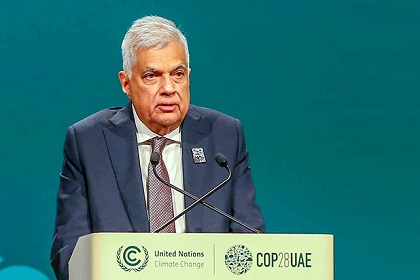
At the COP28, Sri Lanka’s President Ranil Wickremesinghe stated the need for $12 billion in FDI for renewable energy sources by 2030 to fulfill the country’s climate commitment. For that funding to yield benefits and translate into long-term growth, Sri Lanka must now work hard to enhance its overall business environment and revisit its foreign investment strategy to focus on renewable energy and manufacturing.
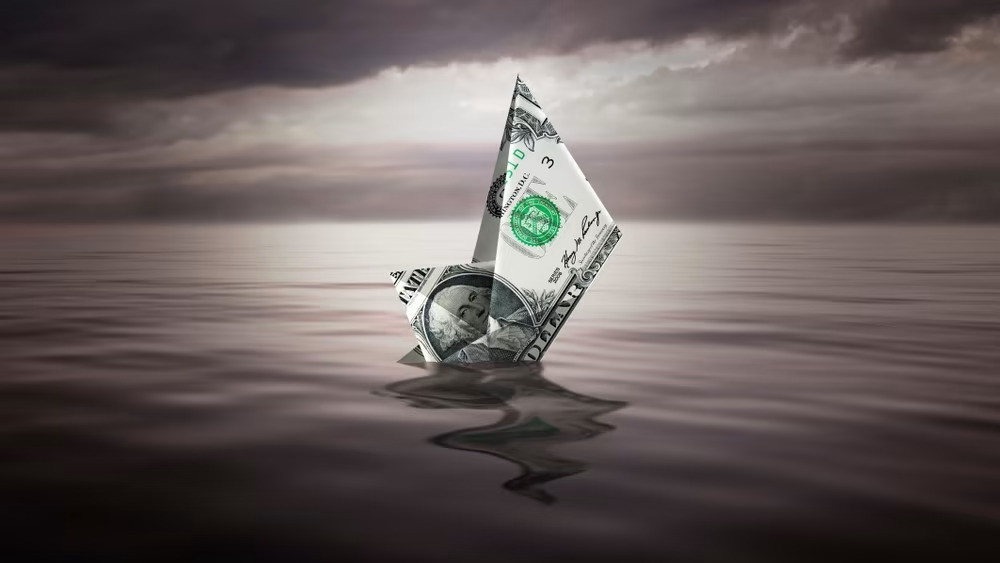
The U.S. dollar’s position as the world’s dominant currency has come under pressure as countries and central banks explore alternative currencies and diversify their reserve compositions. While the U.S. continues to dominate global financial markets and the dollar is unlikely to be unseated anytime soon, the challenge to the dollar-dominated uniform currency system has begun.