
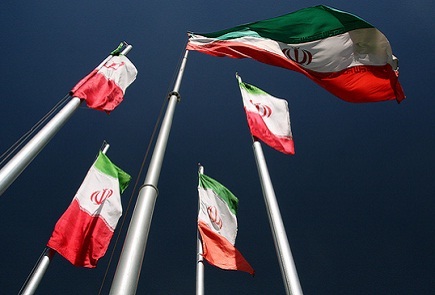
The 11th Presidential election of the Islamic Republic of Iran will take place on June 14, along with elections to the country’s local and municipal councils.
The Guardian Council, following its vetting of more than 600 registered presidential candidacy aspirants approved the final list. The contenders for the office of the President are: Member of Parliament and former Majlis Speaker Gholam Ali Haddad Adel; former Vice President Mohammad Reza Aref; former Minister of Petroleum Mohammad Gharazi; Iran’s chief nuclear negotiator Saeed Jalili; the current Mayor of Tehran, Mohammad Bagher Qalibaf; former Revolutionary Guard chief Mohsin Rezaei; former nuclear negotiator Hasan Rowhani; and senior international affairs advisor Ali Akbar Velayati. The incumbent President, Mahmoud Ahmadinejad, is constitutionally barred from contesting the elections.
In Iran, the supreme leader, and not the president, wields the highest power. The supreme leader is the commander-in-chief of the armed forces, and also has the final say on issues of national security and foreign affairs.
The previous presidential election of the country, which was held in 2009, was followed by a series of protests – against the disputed victory of incumbent President Mahmoud Ahmadinejad – and is referred to as the Green Revolution.
India and Iran share close bilateral, historic and cultural ties. The two way trade stood at $15.94 billion in 2011-2012. Iran which was the second largest crude oil supplier to India after Saudi Arabia in 2010-2011, slipped to the seventh position during April –December of the current fiscal as a result of the sanctions led by the EU and the United States. India is involved in the development of Iran’s Chabahar port and there have been talks regarding the joint development of Farzad B gas field in the Persian Gulf.