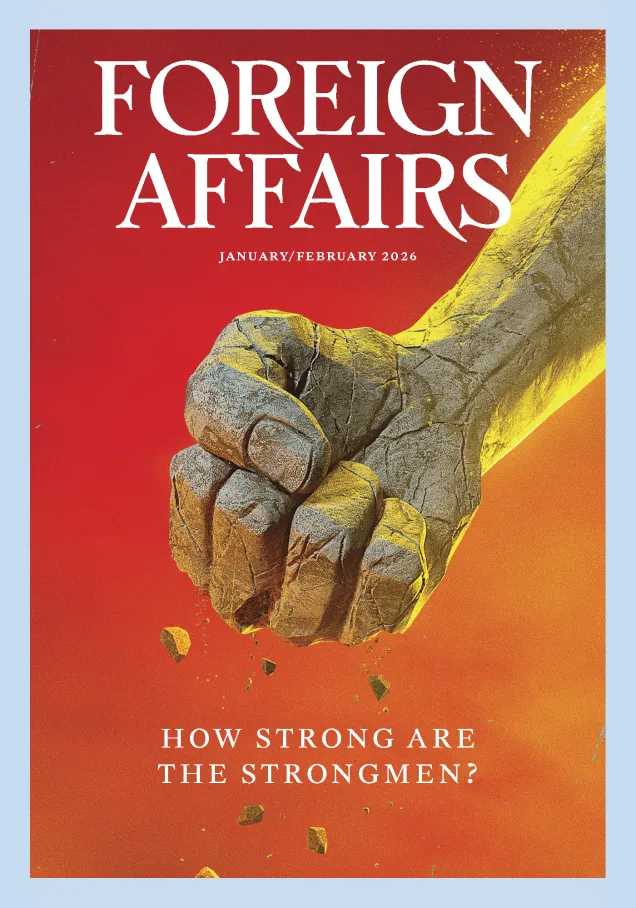
 Courtesy: Foreign Affairs
Not long ago in the sweep of history, countries that had once been buried behind the Iron Curtain, and even some Soviet republics, were transformed into members of the solidly democratic club. Some of those that weren’t, such as Ukraine, Georgia, and Kyrgyzstan, experienced mass revolts against rigged elections and corrupt misrule amid widespread public yearning to join the West. Free trade was again celebrated as an instrument of peace; Kant’s “democratic peace theory” enjoyed a revival.
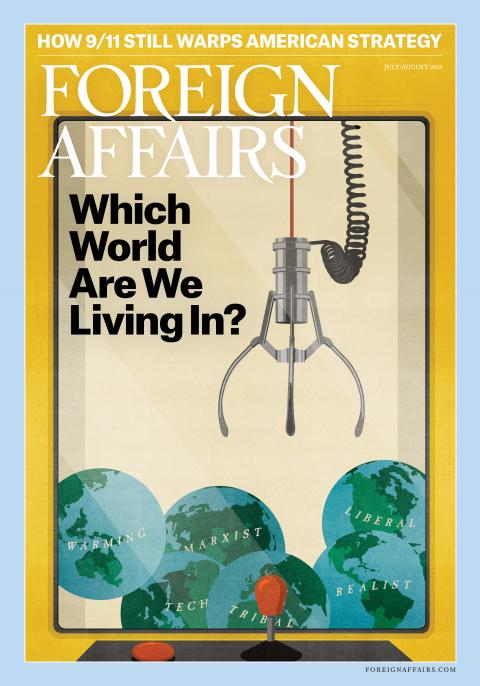 Courtesy: Foreign Affairs
The psychology of Putin, the ideology of his regime, and the machinery received exhaustive attention in the West. The Russian people, however, remain poorly understood.
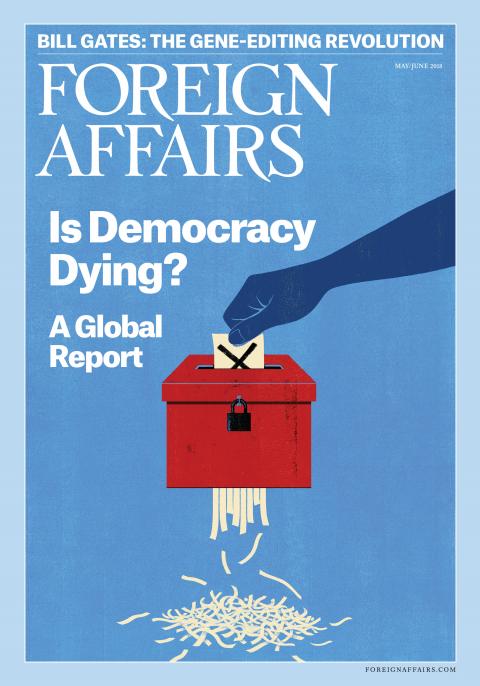 Courtesy: Foreign Affairs
"Sooner or later this economy will slow,” the New York Times columnist Thomas Friedman declared of China in 1998. He continued: “That’s when China will need a government that is legitimate."
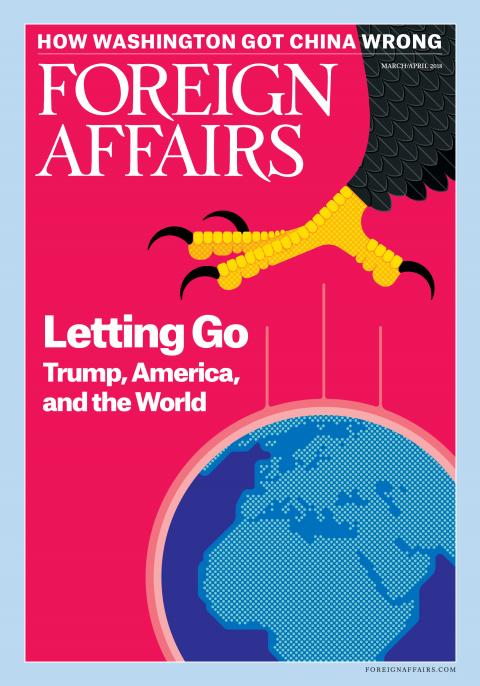 Courtesy: Foreign Affairs
In the aftermath of World War II, the United States set about building a global, rules-based economic order.
 Courtesy: Foreign Affairs
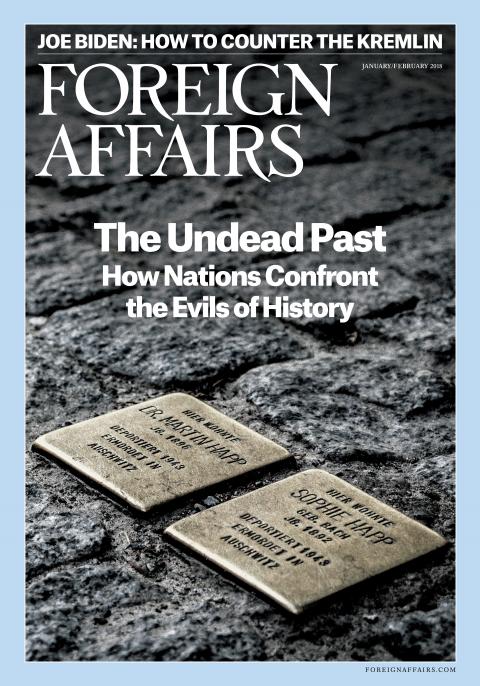
In 2015, before resigning his position as economy minister in President François Hollande’s government, Emmanuel Macron explained his idea of French democracy
 Courtesy: Foreign Affairs
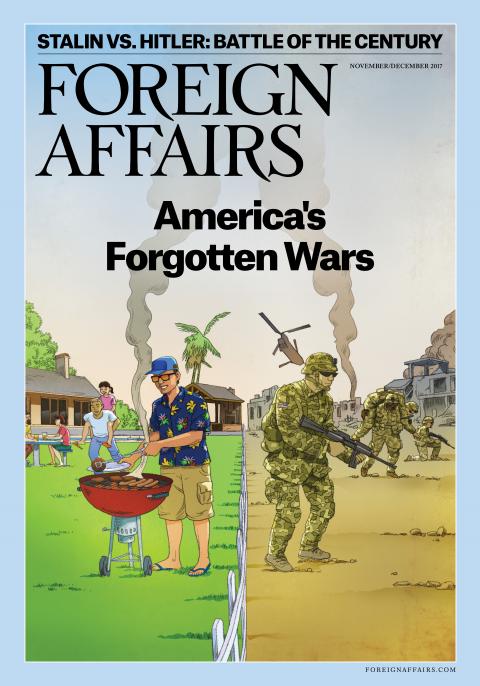
Since the end of World War II, U.S. administrations of both parties have relied on a time-honored foreign policy tool: training and equipping foreign militaries.
 Courtesy: Foreign Affairs
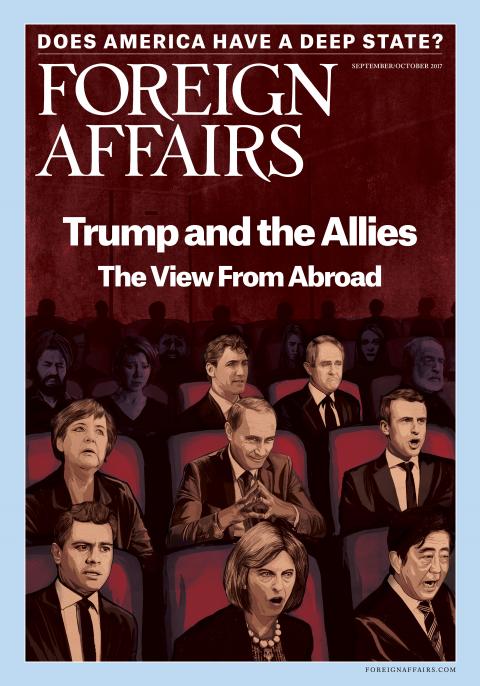
Donald Trump, the 45th president of the United States, has a point about Europe and NATO.
 Courtesy: Foreign Affairs
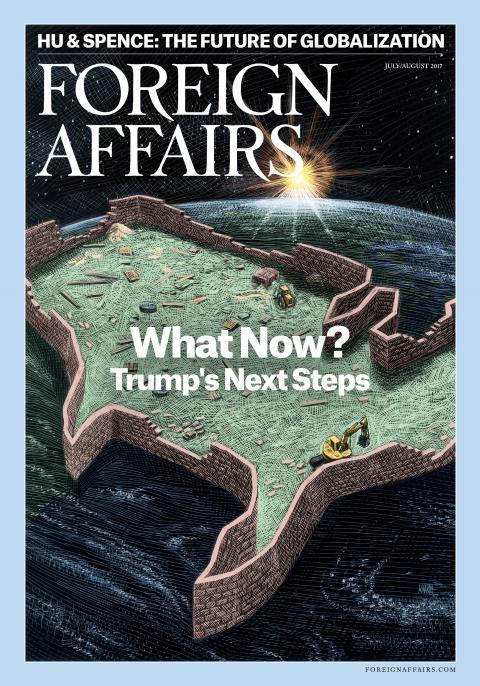
For decades, Israeli and Palestinian politicians have pursued a political solution to the Arab-Israeli conflict, only to see their hopes dashed again and again.
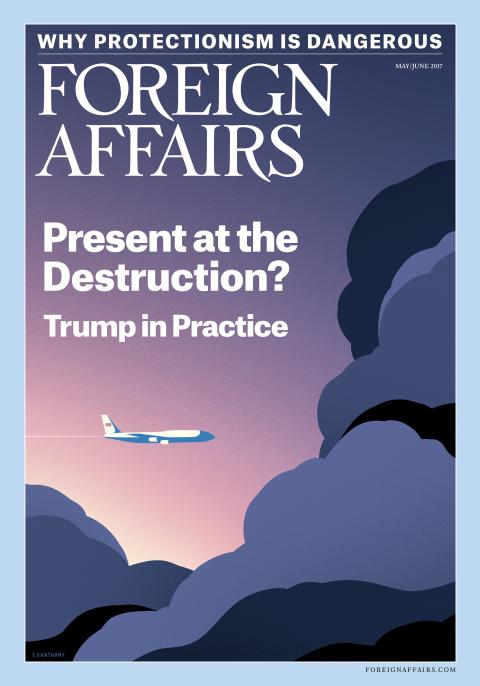 Courtesy: Foreign Affairs
The global recovery from the Great Recession of 2009 has just entered its eighth year and shows few signs of fading.
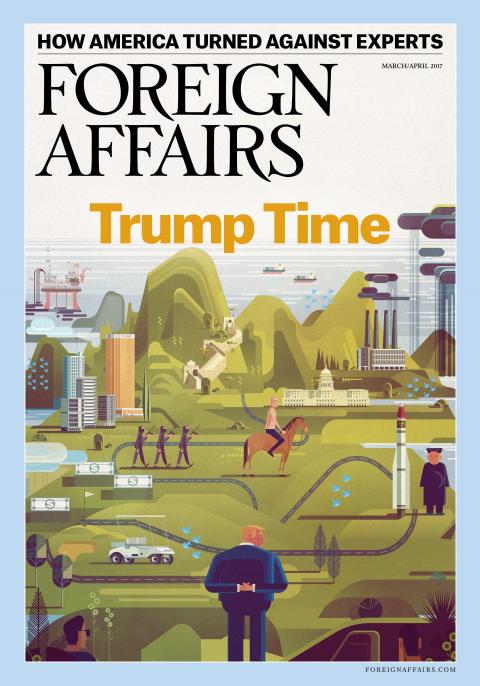 Courtesy: Foreign Affairs
For decades, outsiders have thought of China as a country where religion and faith play marginal roles.

