42555677410_4bbbd59769_c Courtesy: MEA/Flickr
27 February 2020

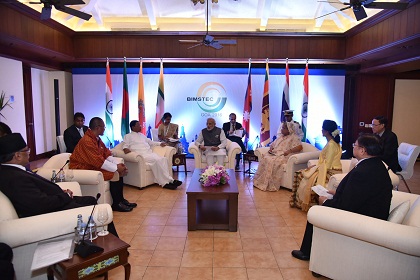
BIMSTEC or SAARC?

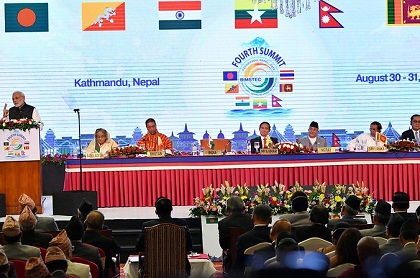
South Asia’s speedy economic development depends on the level of integration between countries in the region. The South Asian Association for Regional Cooperation (SAARC) and the Bay of Bengal Initiative for Multi-Sectoral Technical and Economic Cooperation (BIMSTEC) have lost their momentum. But both platforms have their uses and can be revived creatively
49140660266_899f513af1_c Courtesy: MEA/Flickr
19 December 2019

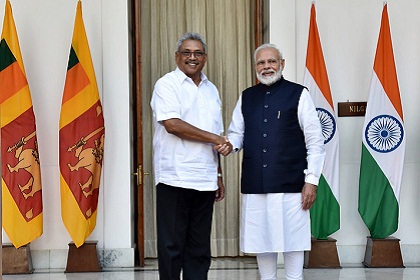
Reset in India-Sri Lanka relations

Relations between India and Sri Lanka are set to change. The expeditious manner in which the Indian external affairs minister met the newly elected Sri Lankan president, who reciprocated by making India the first foreign country he visited, raises hopes. An analysis of the factors that impede and facilitate such a shift

15705178327_657de9387e_o Courtesy: MEA/Flickr
16 November 2017

Is dialogue in South Asia on pause?

Regional groupings in South Asia have turned out to be like diligent pupils whose report cards show performance below par. The reasons for such an impasse range from political divergences to the economic downturn and the much talked about China factor that has many implications for India

30063095720_da95d64ab5_h Courtesy: MEA/ Flickr
5 June 2017

Brighter prospects ahead for BIMSTEC

This regional grouping, which was envisioned as a potential bridge between SAARC and ASEAN, turns 20 on June 6. It achieved very little until last year, when efforts to revive its original mission began quite by accident. It has the potential to make greater strides if member states adhere to their commitments.

IORA photo Courtesy: Gateway House
25 May 2017

Indian Ocean Rim Association Senior Officials Meeting

This speech was delivered by Rajiv Bhatia, Distinguished Fellow, Foreign Policy Studies, Gateway House and Chair, FICCI Task Force on Blue Economy, at the Indian Ocean Rim Association Senior Officials Meeting in Jakarta

Indian Trade Route Courtesy: Gateway House
4 April 2017

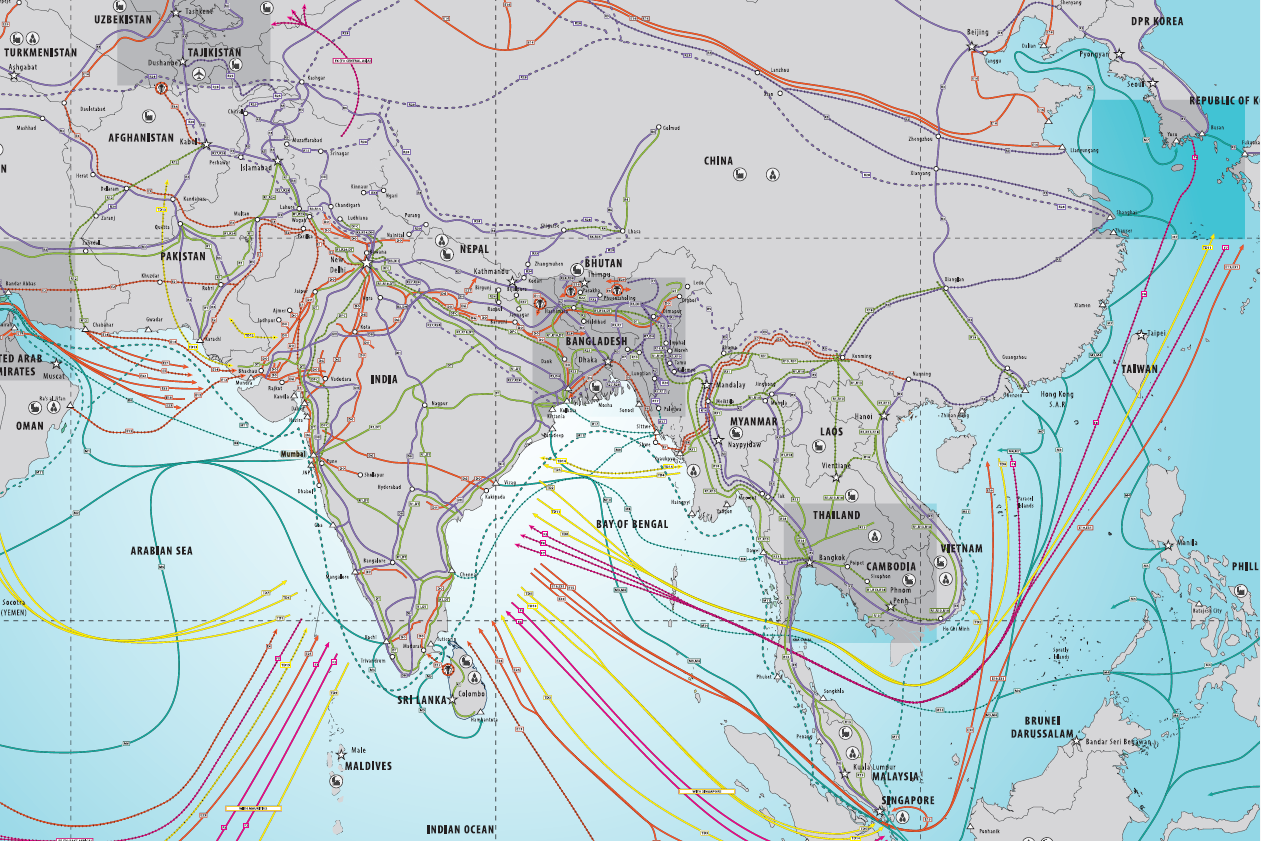
Diversifying India’s trade destinations

India’s global economic engagement, especially with the developing world, has increased in the last two decades, but trade with South Asia has remained low. It holds the potential for building greater productivity and more inclusive growth in India and the region

37733095_303 Courtesy: Deutsche Welle
27 March 2017

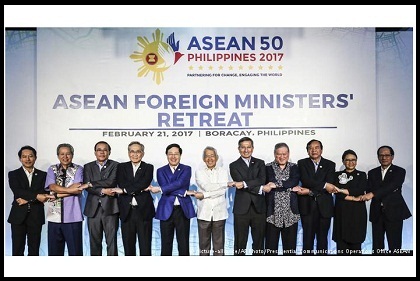
All that makes ASEAN unique @ 50

This regional grouping of 10 nations, which observes its golden jubilee year in 2017, has come a long way from the Cold War era when it was founded, making a significant contribution to peace, security and prosperity. Now, its future prospects and “centrality” look uncertain amidst the region’s changing geopolitics

IMG_0086 Courtesy: Gateway House
14 December 2016

Indian foreign policy: a paradigm shift?

In the last seven decades since independence, successive prime ministers have ushered in changes in India’s foreign policy in response to shifting global geopolitical dynamics, aggregating transformation in bilateral relations. This overview places the past against the changes being brought in by Prime Minister Narendra Modi, a more forceful foreign policy practitioner than his predecessors

bank-getty-images-harold-cunningham Courtesy: Quartz
27 July 2016

Imperatives of regulatory diplomacy

Regulations are the new focus of economic statecraft. Their increasing importance is reflected in the negotiations on global financial standards, plurilateral trading rules, and regional economic unions.

Asia_topic_image_Satellite_image Courtesy: Wikipedia
26 May 2016

Bioregions: India’s strategic imperative

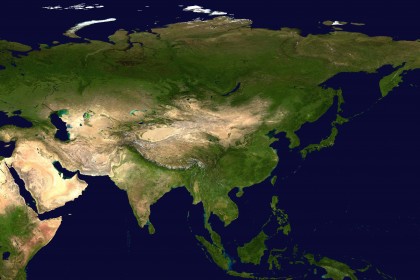
Prime Minister Modi’s term has been marked by a resolve to improve cooperation among South Asian nations. These proactive efforts can bear rich fruit if the Modi government promotes the concept of geoeconomic and geopolitical equations being seen through the lens of bioregions. There are significant precedents which the Modi government can build upon