Reuters (1) Courtesy: Reuters
3 December 2025

Russia and India update their relationship

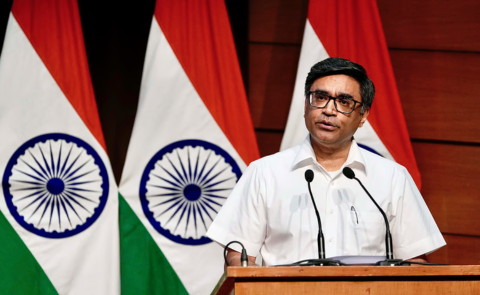
The visit of Russian President Vladimir Putin to India on December 4-5, is an event with many dimensions. It will address the political and economic strength and future of the bilateral, discuss the global scenario, and lay out a path for future cooperation that will continue to define the relationship as 'special and privileged.'
Gateway House Courtesy: Telegrafi
6 November 2025

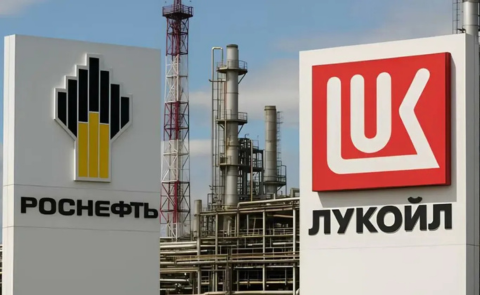
U.S. Sanctions on Russian oil giants

On October 22, 2025, U.S. President Donald Trump imposed sanctions on Russia’s oil giants, Rosneft and Lukoil. The move has clear geopolitical motives—to remove a major supplier from an oversupplied oil market. Indian oil companies, key buyers of Russian crude, now face pressure to cut imports, undermining India’s energy diversification and shaking global oil markets, including the U.S. economy.

Website articles  (4) Courtesy: Indian Embassy in Moscow / FB
30 October 2025

India in Russia’s polycentric world order

The Valdai 2025 conference’s single confirmation was this: Russia believes the post-Western world is already functioning. It is no longer seeking to re-enter Western-led institutions; it is building around them. The polycentric world is like a network, not a hierarchy. No one needs to choose a camp.

Koerber Stiftung (3) Courtesy: Getty
16 October 2025

Labour Corridors: India-Russia’s Next Bet

The labour movement in the India-Russia corridor is a new element in the bilateral. It is already visible in the Delhi–Moscow flights. The usual students and tourists now share the cabin with welders, salon workers, and builders, many on their first overseas assignment. The trend signals a shift in Russia’s migration geography and opens a corridor linking India’s skill base with Russia’s industrial demand.

President of Russia Courtesy: President of Russia
2 October 2025

Valdai frames Russia’s global doctrine

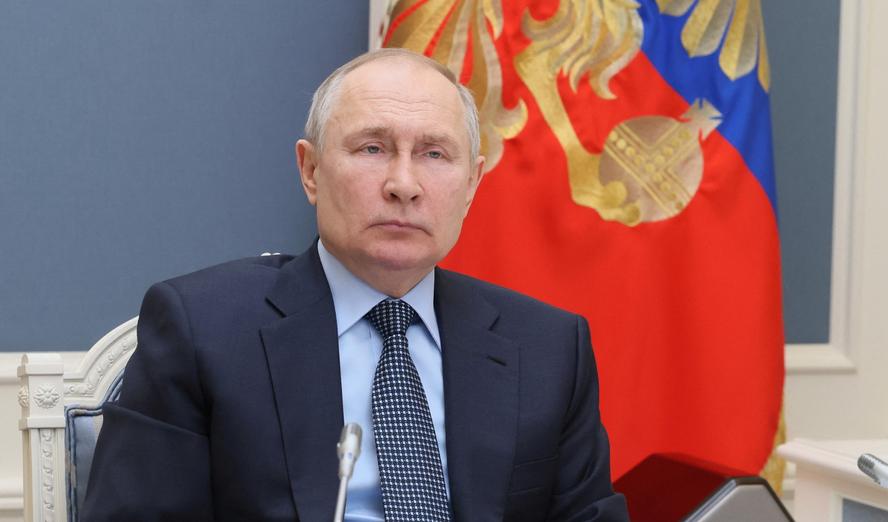
Each autumn, Russia convenes its flagship Annual Summit — a gathering of global leaders, business elites and intellectuals. Often compared in scale to Davos or Shangri-La, what sets Valdai apart is President Vladimir Putin’s extended, unscripted dialogue with the audience. Over the years, India has moved to the centre of this dialogue, reflecting its strategic weight and offering rare insight into Moscow’s evolving worldview.

The New Indian Express Courtesy: The New Indian Express
19 May 2025

Post-Pahalgam diplomacy

Studying the reaction of key stakeholders to the India-Pakistan conflict, and how India’s diplomatic machine coped with it, is revealing. Some of the major powers like the U.S., raised the temperature, China expectedly stood by Pakistan while Russia once again proved a dependable friend. Unsurprisingly, South Asia had a consistently neutral stance toward the conflict.

Screenshot 2025-03-25 111538 Courtesy:
27 March 2025

Is U.S. reset with Russia due to the China factor?

U.S. President Trump is prioritising strategic competition with China and seeking stability with Russia. This approach involves sanctions relief, sidelining Ukraine, and fostering economic ties with Moscow to weaken its reliance on China and reshape global power dynamics. Europe is divided on the outreach to Russia, but the U.S. wants to leverage energy markets and investment opportunities to expand its influence over Moscow.

Reuters Courtesy: Reuters
20 February 2025

Twenty Five years of Vladimir Putin

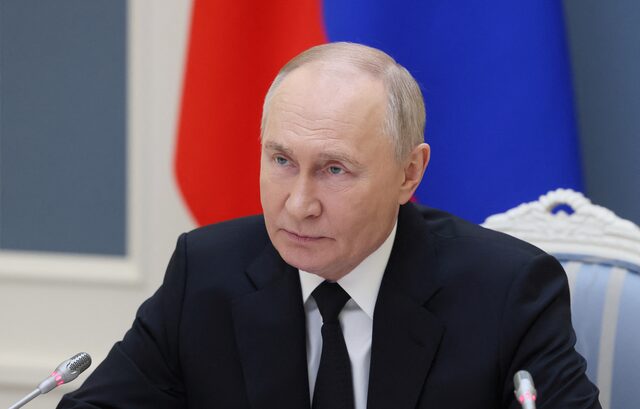
The 18 February bilateral negotiations between Russia and the U.S. to end the war in Ukraine, will take Russia out of western isolation and put it  back into the global mainstream. This is a success for President Vladimir Putin, who has now been ruling Russia for 25 years, by focusing on domestic stability and development and a revival of relations with the West, China and India.

putin Courtesy:
26 September 2024

Unfolding Geopolitics, Episode 13 | Russia’s wartime diplomacy

On-ground realities and political dynamics have shifted in the Russia-Ukraine war, with the latter’s incursion into Russia’s Kursk region, even as there is a push for peace from multiple quarters. Ivan Timofeev, Director General of the Russian International Affairs Council discusses Russia’s perception of the conflict and peace efforts, its expectations from the BRICS Presidency and means of boosting commercial cooperation between India and Russia.

Russian_BRICS_Chairship Courtesy: Official Internet Resources of the President of Russia
4 March 2024

BRICS under Russian chairship

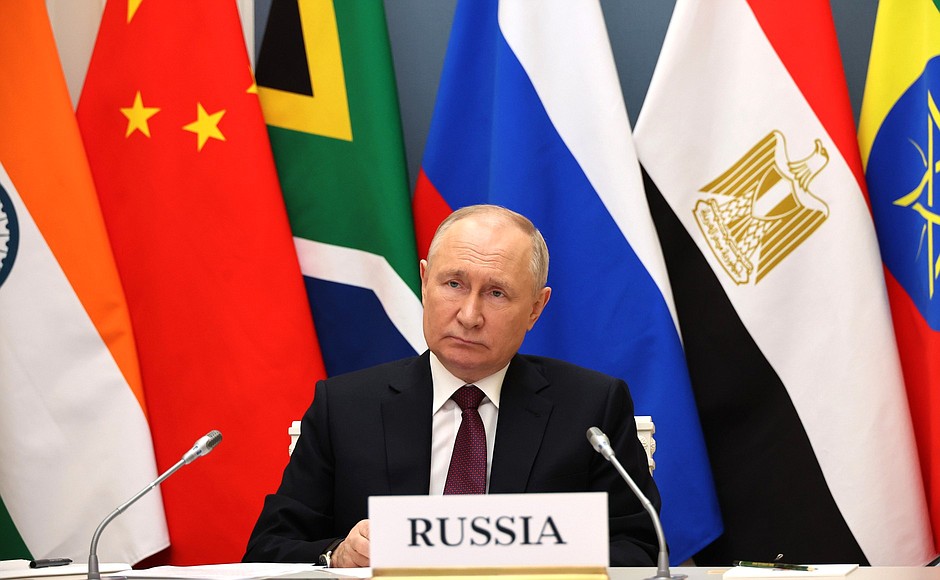
Russia took charge of BRICS in January 2024 at a point of inflection in geopolitics and expanding influence for the bloc. As chair, Moscow aims to bolster cooperation along the lines of the BRICS’ three pillars to shift power away from the West and explore ways to engage potential members. Though China seems onboard, for India, neither of these pursuits must proceed too aggressively.