Courtesy: Sri Lanka PMD
After a remarkable recovery from a very deep crisis in 2022, Sri Lanka’s recent budget for 2026 consolidates economic stabilisation and introduces a few markers for further growth. But more needs to be done to embed a growth strategy and transform its economy to avoid further IMF austerity programmes.
 Courtesy: Gateway House
A slowdown of the Chinese economy, and the shift, particularly by MNCs, from China to other more competitive locations has opened up business opportunities for latecomers to supply chains in the developing world. Evidence suggests that Southeast Asia and some South Asian countries like India, Sri Lanka, Bangladesh, could be beneficiaries of the supply chain shift, particularly in labour-intensive segments.
 Courtesy: Reuters
The India-UK Free Trade Agreement comes amidst increasing economic uncertainty caused by the Trump administration’s reciprocal tariff policies. The FTA has revitalised previously lethargic discussions for India to conclude FTAs between like-minded countries. An India-EU FTA, along with the India-UK FTA, may reform global rule-making on international trade and perhaps even revive the WTO.
 Courtesy: Gateway House
Geopolitics is increasingly intertwined with the economic destiny of South Asia. Even before the U.S. tariffs were rolled out, growing polycrises had hit the global economy, which has been struggling since the pandemic. South Asia seems a relatively bright spark of regional trade and growth. This paper analyses South Asia’s trade architecture in the backdrop of a sluggish world economy in the 2020s, and makes recommendations for closer regional economic integration.
 Courtesy: X / MEAIndia
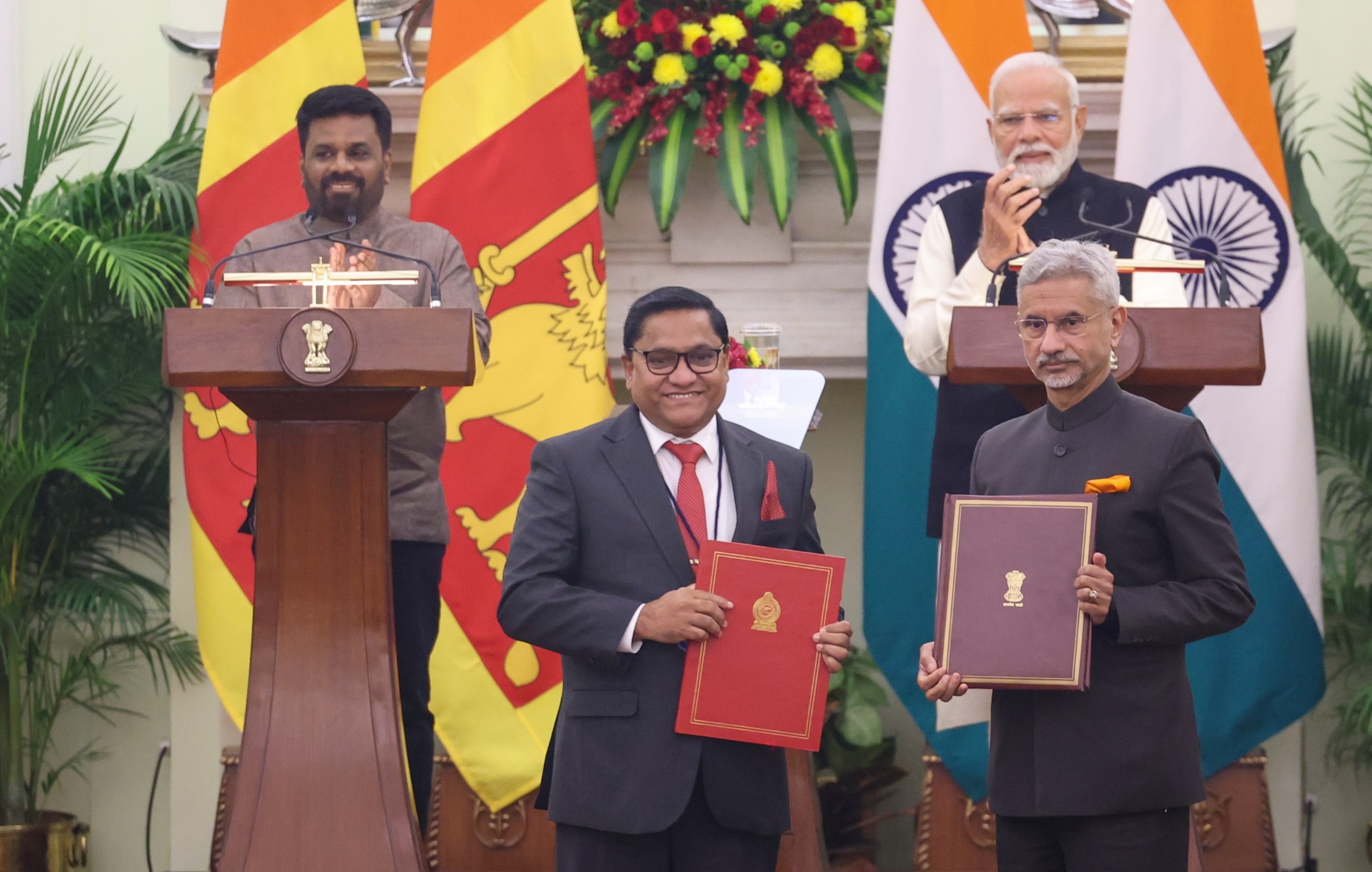
The state visit of Sri Lanka’s new President Dissanayake to India, is welcome at many levels. His party’s majority win gives Sri Lanka the strength to undertake the hard reforms necessary to put the island back onto its higher economic status. India’s assistance has helped but there is more to be done to elevate the bilateral. For India which is now in a hostile neighbourhood, Sri Lanka can be a valuable friend.
 Courtesy:
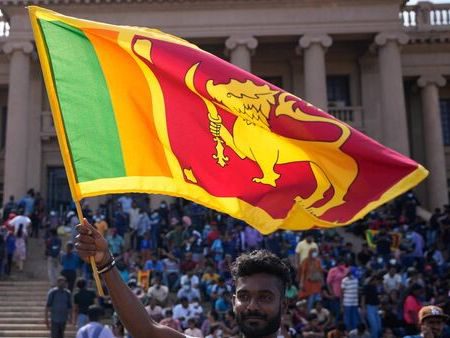
Sri Lanka's sovereign debt default in April 2022 triggered a paralyzing economic crisis. Steep inflation and widespread financial uncertainty hampered any efforts at recovery. The economy is now showing signs of stabilization. Internally focused government policies, foreign investment, aid from development partners like India and the U.S., and the IMF’s recovery program have set Sri Lanka on the path to recovery and, hopefully, eventual economic success.
 Courtesy:
The breakdown of the Doha negotiations at the World Trade Organization and ongoing wars in Ukraine and West Asia have led to rising protectionism, which disproportionately affects developing countries. This policy brief recommends how the G20, representing nearly 75% of international trade, can leverage its position to advance a non-discriminatory, sustainable, and transparent multilateral trading system for low and middle-income countries.
 Courtesy:
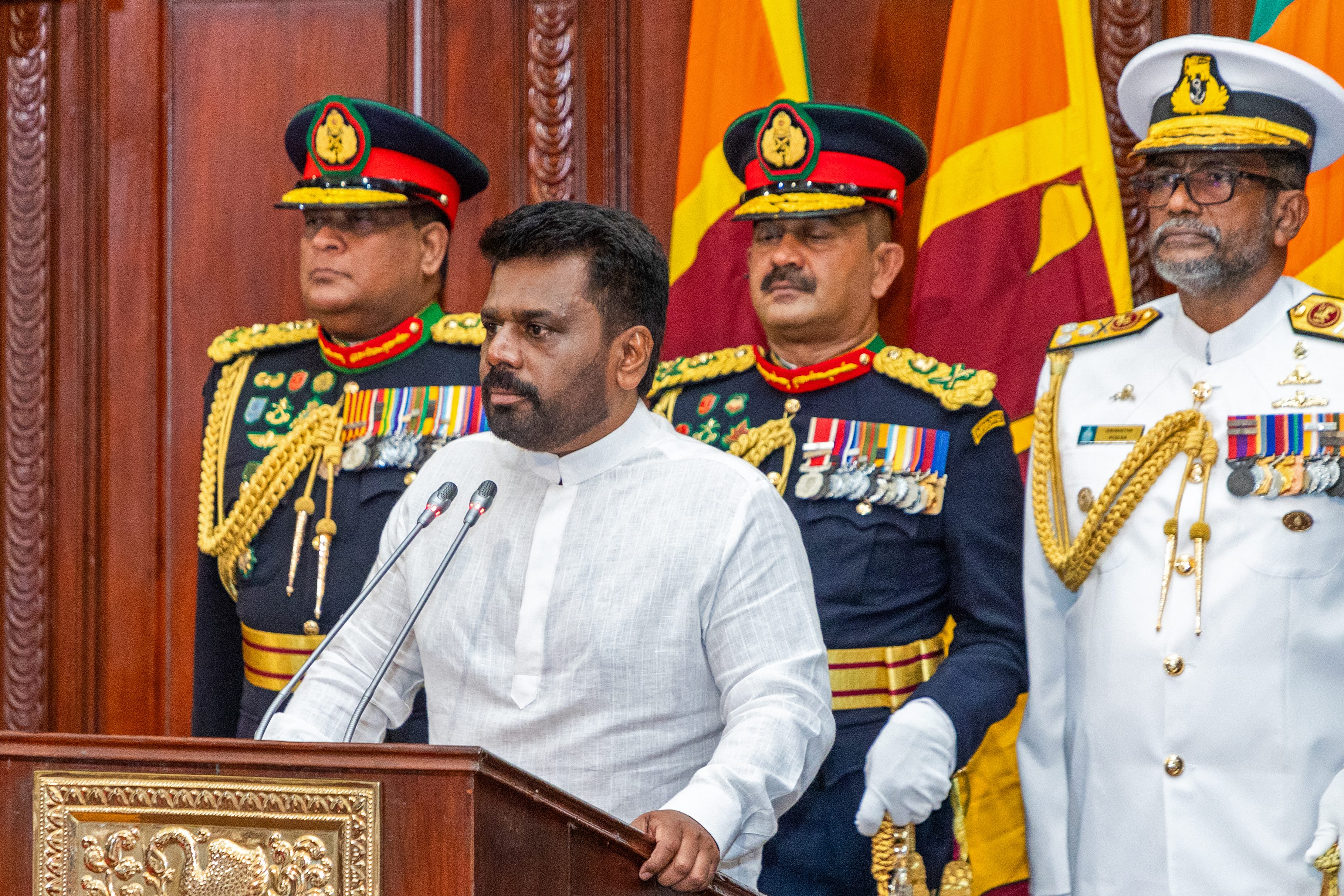
The new Sri Lankan government led by President Anura Kumar Dissanayake held its first meeting with the International Monetary Fund on October 3, to discuss further debt relief. Dissanayake, who overcame voter apprehension in the country’s presidential elections held two weeks ago, now has a historic opportunity to bring Sri Lanka out of the crisis and enable a compassionate and efficient transformation.
 Courtesy:
Sri Lanka’s sovereign debt default in 2022 triggered the worst economic crisis in the country’s post-independence history. By mid-2024, the economy started showing signs of recovery, with a performance higher than other debt-defaulting nations and exceeded IMF expectations. The current stable path, however, is not enough. Sri Lanka needs to shift its economic trajectory from one of debt distress to sustained growth over the next few years.
 Courtesy:
China-centric global supply chains, the backbone of East Asia’s prosperity, are shifting out as tensions over tariffs and strategic contest between the West and China soars. Ganeshan Wignaraja, Professorial Fellow, Economics and Trade, Gateway House, discusses diversifying supply chains, the China plus one strategy, and the role of India as a supply chain magnet for its South Asian neighbours.