The Emerging Exception
The traditional label of ‘middle power’ fails to capture India’s growing status. The country’s ability to shape the international discourse is no longer in question. India sees itself as a key player the global order.

 Courtesy: The Diplomatist
The traditional label of ‘middle power’ fails to capture India’s growing status. The country’s ability to shape the international discourse is no longer in question. India sees itself as a key player the global order.
 Courtesy:
U.S. President Trump is prioritising strategic competition with China and seeking stability with Russia. This approach involves sanctions relief, sidelining Ukraine, and fostering economic ties with Moscow to weaken its reliance on China and reshape global power dynamics. Europe is divided on the outreach to Russia, but the U.S. wants to leverage energy markets and investment opportunities to expand its influence over Moscow.
 Courtesy:
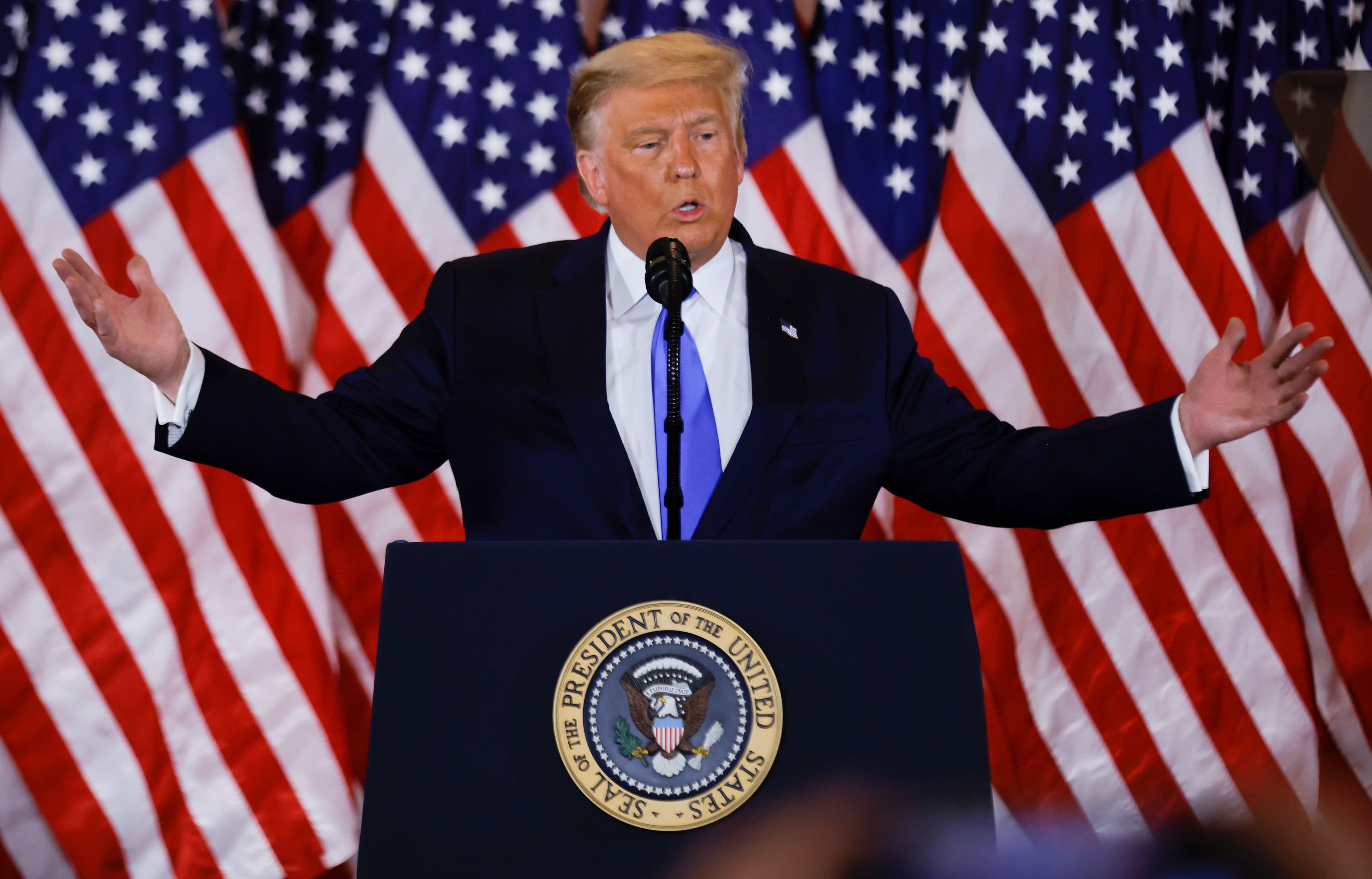
Domestic concerns regarding the cost of living, immigration and crime were the key issues that brought about change in the U.S. Presidential elections. Taranjit Singh Sandhu, former Indian ambassador to the U.S., discusses the election outcome and its geopolitical implications, the potential economic and political trajectory of a Trump presidency, and the future of the India-U.S. bilateral.
 Courtesy:
The U.S. presidential election campaign has produced two stunning developments: the attempted assassination of Trump and the withdrawal of Biden, under severe pressure from leaders of the Democratic Party. Putting optics aside, observers should focus on the ideological differences between the two candidates Kamala Harris and Donald Trump, which will be on display on Sept. 10 when they debate the issues.
 Courtesy:
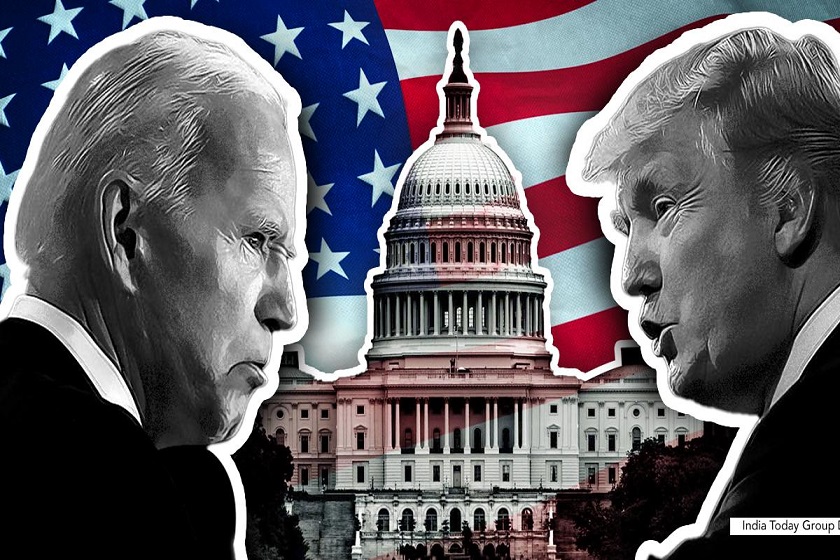
The last two weeks have been turbulent for U.S. politics: a past President and current candidate survives an assassination attempt; the current President is forced to withdraw from contesting and is replaced by a new nominee in a flash. This is set in the backdrop of tumultuous domestic and international politics. Neelam Deo, co-founder, Gateway House, discusses the U.S.’ electoral race and its implications for global geopolitics.
 Courtesy: India Today
Former President Trump and incumbent President Biden have emerged as frontrunners in the ongoing U.S. primaries. While the former faces several legal hurdles, the latter has been criticised for his response to the crises in Israel and Ukraine and the strategic contest with China. Neelam Deo, co-founder, Gateway House, speaks with Purvi Patel, International Affairs Fellow, Council on Foreign Relations, about the electoral race, legal challenges to Trump's candidature, and what India can expect from another Trump presidency.
 Courtesy: Gateway House
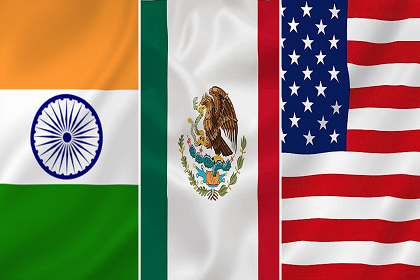
Mexico has followed Prime Minister Modi’s visit to the U.S.,and sees an opportunity to partner with India. Geopolitically, as a global south country with shared interests in peace, security and sustainable development; regionally, as part of the supply chain and export gateway to the U.S.; strategically as a diplomatic platform with a pragmatic narrative that privileges mutual interests.
 Courtesy: Valdai Discussion Club
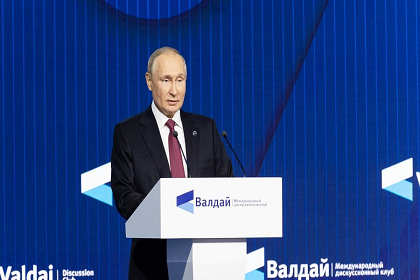
The reference to India by Russian President Vladimir Putin at the Valdai Discussion Club may be interpreted as encouragement to New Delhi to use its good offices to nudge the warring sides to the negotiating table. Mediation is a big power game, and this may be the right time for India, at the cusp of the G20 Presidency, to start with a record of success
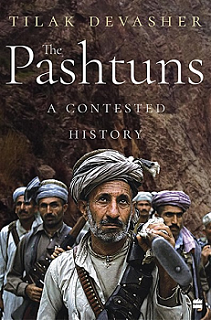 Courtesy: HarperCollins Publishers India
Tilak Devasher’s book on the Pashtuns brings out the dynamics of the Pashtun, their code, their relationship with Islam and with Pakistan. It contextualizes the current geo-political challenges in South Asia, making it required reading for those who want to understand not only the Pashtuns but regional strategic and security dynamics.
 Courtesy: Narendra Modi/Facebook
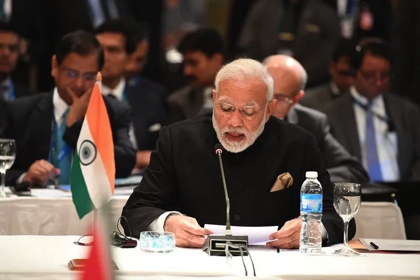
India will be president of the G20 in 2023. The world’s most influential economic governance body is facing an existential crisis, where the major powers have fallen out. With geopolitical currents redefining geo-economics, India needs to be ready to emerge as the chief global diplomat.