bdesh Courtesy:
8 August 2024

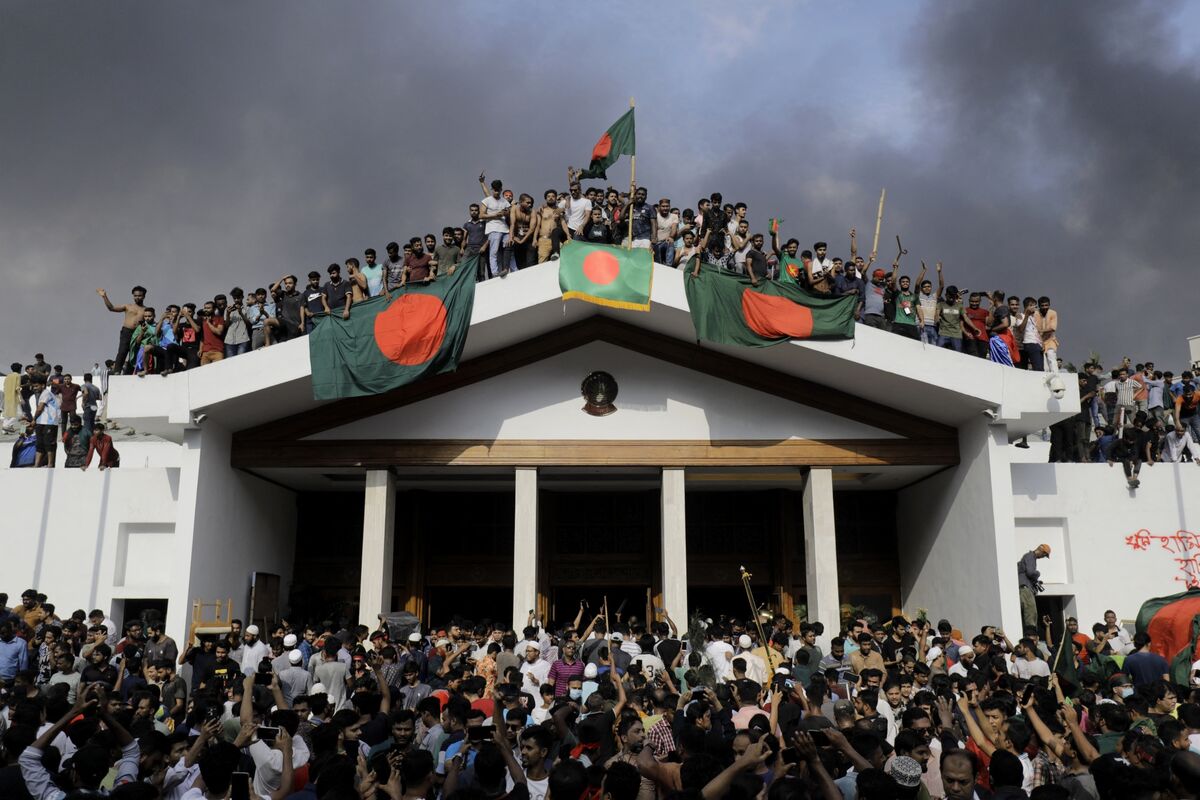
Strategic implications of Bangladesh’s regime change

Bangladesh Prime Minister Sheikh Hasina's forced resignation on August 5 came amidst prolonged and violent anti-government protests. Lt Gel S L Narasimhan, the Adjunct Distinguished Fellow for China and National Security Studies, Gateway House, analyzes the role of the army and external actors, and the strategic and security implications for India.

US elections Courtesy:
25 July 2024

Unfolding Geopolitics | Episode 11, U.S. elections: pernicious and polarising

The last two weeks have been turbulent for U.S. politics: a past President and current candidate survives an assassination attempt; the current President is forced to withdraw from contesting and is replaced by a new nominee in a flash. This is set in the backdrop of tumultuous domestic and international politics. Neelam Deo, co-founder, Gateway House, discusses the U.S.’ electoral race and its implications for global geopolitics.

Joint-Statement-following-the-22nd-India-Russia-Annual-Summit Courtesy:
18 July 2024

India-Russia relations march ahead

The 22nd India-Russia summit, held in Moscow on July 9 during Prime Minister Modi’s official visit, focused on expanding bilateral economic, energy, cultural and defense cooperation. It indicates the two nations’ commitment to adding substance and new momentum to their relationship. The long-delayed summit, which coincided with the NATO summit in Washington, should be viewed through the wider lens of a multipolar world.

ITU DDF Courtesy:
9 July 2024

Convening to advance digital tools for development

Digital ecosystems, their evolution and regulation was the focus of USAID’s annual conference on global digital development. For Global South actors, the conference offered suggestions on addressing climate impact, disinformation, and building resilient digital infrastructure.

mumbai-coastal-road-inaugurated Courtesy:
5 July 2024

India Became Bharat When No One was Looking

India’s story reads like a Bollywood script – unbelievable and insane to those who fail to decode its success. The most discernable change is internal, as ‘India’ and ‘Bharat’ coexist. India has stopped feeling and thinking poor; it’s right up there with the biggies. Maybe not invited to the high table yet, but has set up its own and invited the rest to the lavish banquet.

05 Courtesy:
4 July 2024

India and the great powers

The foreign policy of the new government in India will likely be a continuum from previous years. But as election outcomes in other parts of the democratic world witness a transformation, India should prepare for flexibility in its policy – and keep up its guard.

handbook Courtesy:
27 June 2024

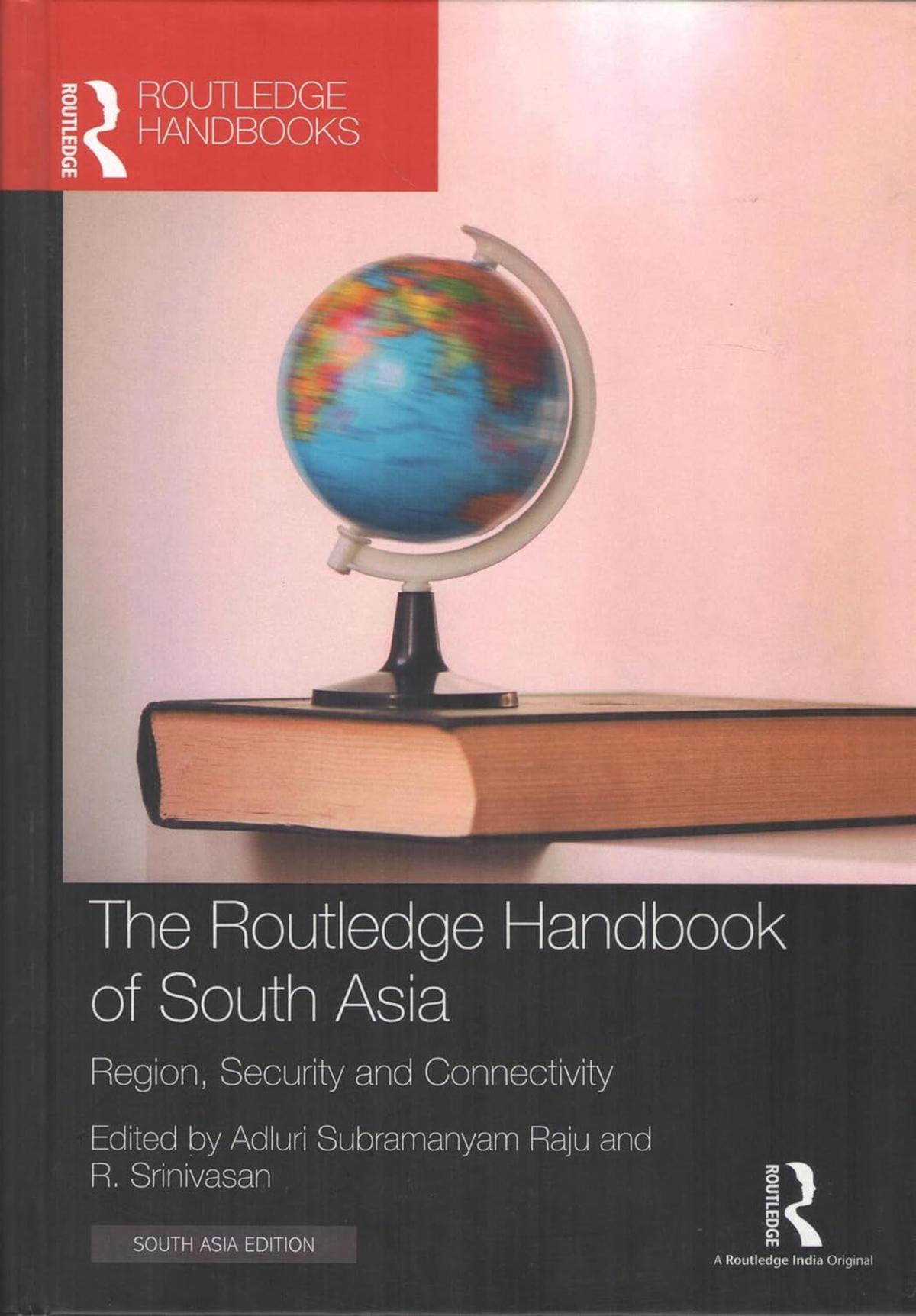
The Routledge Handbook of South Asia: Region, Security and Connectivity

The authors convincingly analyse the bewildering diversity, size and scale of the challenges of South Asia in a volume that is a rare treasure for those interested in deciphering the history, ethnic identities, colonial legacy, political economy, environmental risks, and geopolitical dynamics of the region.

Biden-Middle-East-peace-deal-Israel-Palestine-GettyImages-1731160260 Courtesy:
27 June 2024

The hanging Hamas Deal

The May 31 ceasefire deal proposed by U.S. President Joe Biden is the best on offer for Hamas and Israel. Hamas has delayed its response to the deal, demanding Israeli withdrawal from Gaza first. This absolutist and maximalist position allows Israeli Prime Minister Benjamin Netanyahu to conveniently evade his responsibility towards the U.S., a ceasefire deal, and his own people.

ytrhh Courtesy:
13 June 2024

Three Continuities, Three Shifts

India’s new government has to navigate the nation through a world in turmoil. Will its successful foreign policy continue? Or will there have to be shifts and changes to accommodate new realities?

20240603PHT21803_original Courtesy:
13 June 2024

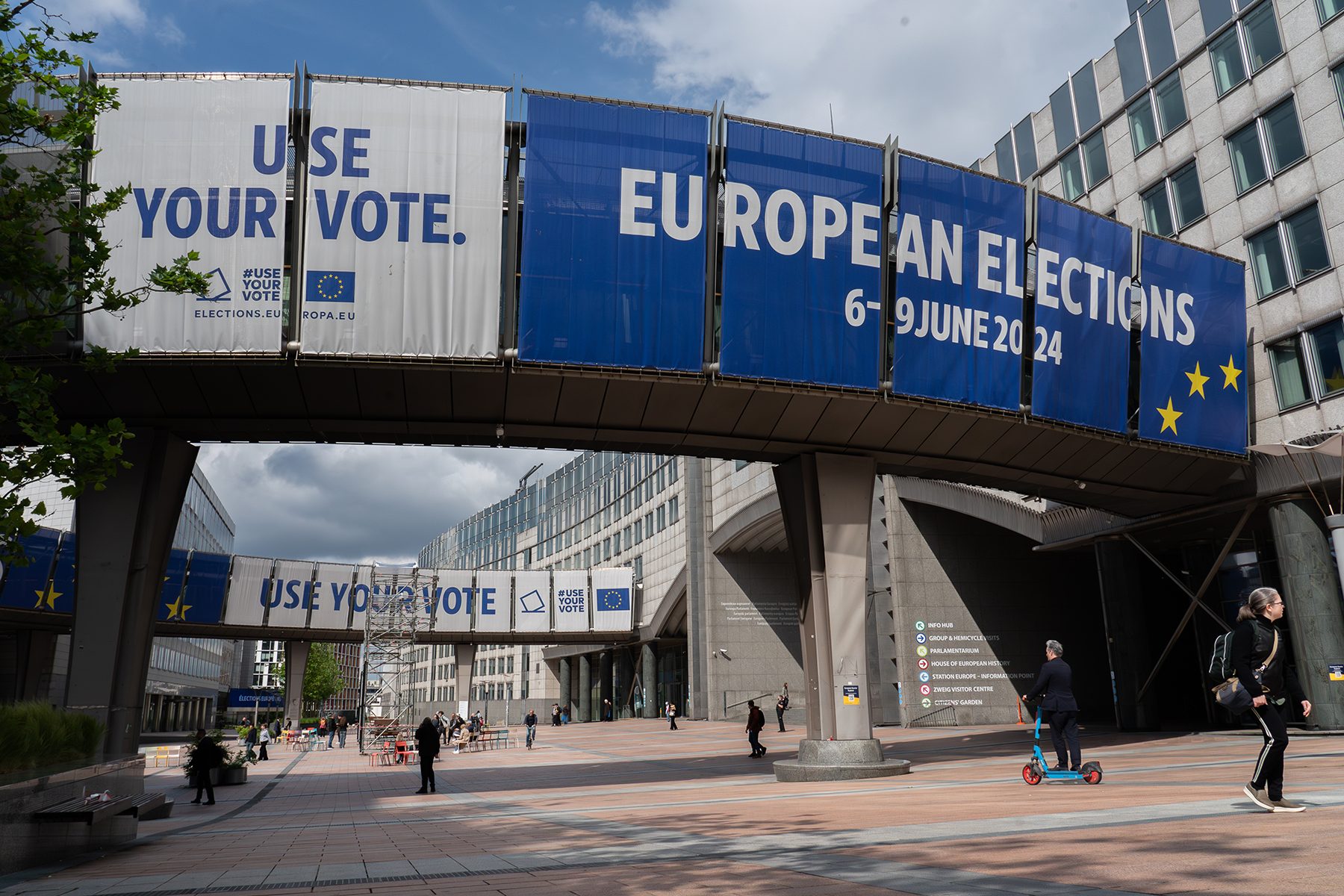
What the EU elections mean

The European Parliament elections have thrown up a win for the right-wing parties – quite a change from the previous centre-left composition. There will be repercussions for the EU and domestic policies of the member countries. Is this election an indication of a future Europe turning right, or is it a reaction to domestic situations individually within states?